Iran curbs Strait of Hormuz traffic with new approval system, analysts warn
2 min read


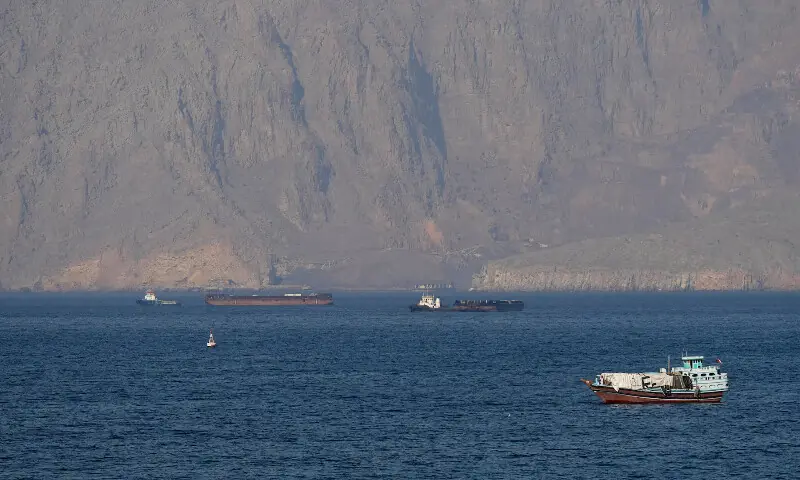
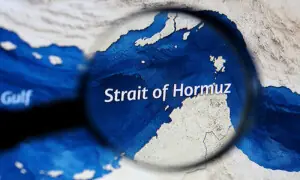
Iran’s requirement for approvals and payments for ships passing through the Strait of Hormuz is already slowing traffic and constraining global oil flows, analysts say.
Experts say the slowdown reflects Tehran’s strategy to use access to the key waterway as leverage in ongoing negotiations, limiting transit and tightening supply at a critical time for energy markets.
Antonio Fatas, an economics professor at INSEAD, said the ceasefire has reduced the risk of immediate escalation, but uncertainty remains over its terms and implementation.
He noted that Iran’s planned system for ship approvals during the ceasefire is already reducing movement through the strait.
He added that the restrictions are likely to continue in the short term, leading to reduced oil flows and forcing markets to look for alternative supply sources.
US President Donald Trump said on Wednesday that the ceasefire would be extended to allow Iran time to submit a unified proposal following a request from Pakistan.
Since the conflict began, Iran has tightened control over the Strait of Hormuz, which typically carries around 20% of global oil supply, making passage conditional and using it as a negotiating tool.
Sultan Al Jaber, UAE Minister of Industry and Advanced Technology and ADNOC chief, has called for the full reopening of the route, warning that prolonged restrictions have disrupted global markets.
He said a 50-day blockade has affected nearly 600 million barrels of oil.
Analysts say even if restrictions are lifted, supply recovery will take time.
Sergey Pigarev of Freedom Finance Global said exports from the Gulf could rise significantly after reopening, but shipping timelines mean deliveries will be staggered, delaying the impact on global inventories.
Alternative export routes offer limited relief, as pipeline capacity in countries like Saudi Arabia and the UAE cannot fully replace volumes typically transported through the strait.
Other producers, including Iraq and Kuwait, also face constraints in redirecting supply.
Analysts expect supply shortages to persist in the coming weeks, with markets closely watching how quickly flows can normalise once restrictions ease.
For the latest news, follow us on Twitter @Aaj_Urdu. We are also on Facebook, Instagram and YouTube.