



How cake complaint uncovered massive fake vendor network in China
2 min read



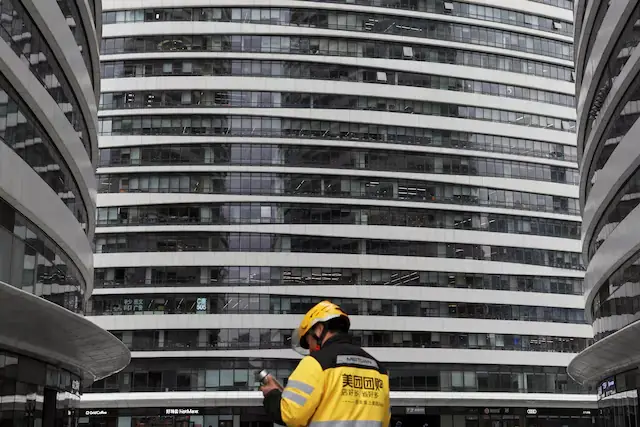
A complaint over a poorly made birthday cake in Beijing has triggered a sweeping investigation into China’s food delivery industry, uncovering tens of thousands of “ghost” vendors and leading to record fines for major technology firms, state media reported.
The case began last summer when a Beijing resident, identified as Liu, reported a cake ordered through an online delivery platform that arrived with an inedible decorative flower. He filed a complaint with local authorities, prompting an investigation.
Regulators tracing the order uncovered a fraudulent bakery chain claiming nearly 400 outlets but operating without physical storefronts and using forged food business licenses. The discovery led to a nationwide probe into the online food supply chain.
Investigators found a widespread system in which merchants accepted customer orders and then relisted them on intermediary platforms, where producers bid to fulfil the order at the lowest price. Authorities said the structure incentivised cost-cutting at the expense of food quality and safety.
More than 67,000 such vendors were identified, which collectively sold over 3.6 million cakes, according to state news agency Xinhua.
China’s market regulator said seven major platforms, including PDD Holdings, Alibaba Group, ByteDance, Meituan and JD.com, failed to properly verify vendors and protect consumers.
Authorities imposed combined fines of 3.6 billion yuan ($528 million), the largest penalty since China’s food safety law was amended in 2015, Xinhua said.
The 10-month investigation also documented resistance from some company staff, including delayed cooperation, obstruction of data requests and reported confrontations with investigators, according to state media.
In one case cited by Xinhua, a customer paid 252 yuan ($35) for a cake that was resold through an intermediary bidding system, with the final producer receiving just 80 yuan. Regulators said intermediaries and platforms captured most of the value chain.
Officials described the system as an “industrialised” form of illegal activity linked to intense price competition in China’s platform economy, known domestically as “neijuan,” or involution.
Authorities have stepped up efforts in recent years to curb such practices, which they say are driving unsustainable price wars and eroding product quality across industries.
The companies involved said in separate statements that they accept the penalties and will strengthen compliance, vendor verification and oversight mechanisms.
For the latest news, follow us on Twitter @Aaj_Urdu. We are also on Facebook, Instagram and YouTube.











Comments are closed on this story.