


Smart grids offer new hope for Pakistan’s energy crisis
8 min read



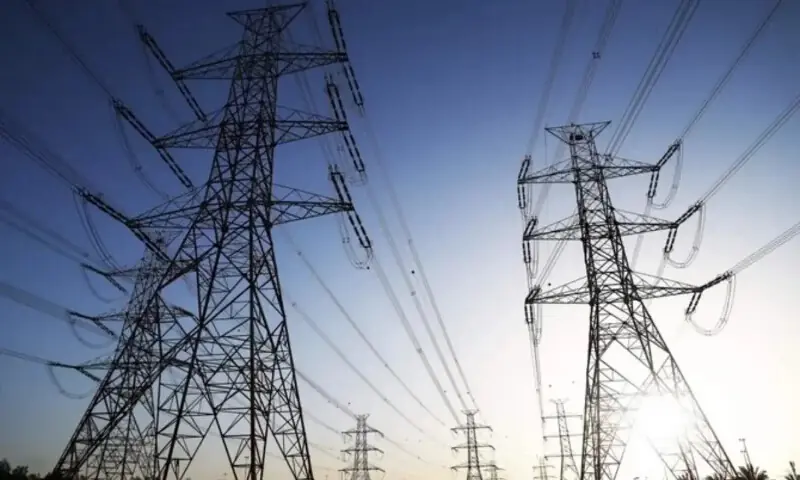
Pakistan’s energy sector is experiencing significant changes as the need for electricity continues to rise.
This growing demand is mainly driven by industrial growth, rapid urban development, and higher electricity use in homes.
Traditional power systems are becoming insufficient to meet these needs efficiently, and there is a pressing requirement for modern solutions that can ensure reliability, sustainability, and optimal performance.
Smart grid technology has emerged as a promising approach to address these challenges, offering an innovative framework that combines advanced communication, automation, and energy management techniques.
A smart grid is not merely an upgraded electrical grid; it is an intelligent network that monitors and manages the flow of electricity from generation to consumption, integrating renewable sources, storage systems, and advanced control mechanisms.
Smart grids have the potential to reshape Pakistan’s power sector by improving efficiency, reducing losses, and enhancing the resilience of electricity networks, but they also come with technical, financial, and regulatory challenges that need attention.
One of the most significant trends in smart grid technology is the integration of renewable energy sources such as solar and wind.
The country has abundant solar potential, particularly in southern regions like Sindh and Balochistan, as well as promising wind corridors along the coastal areas.
Incorporating these variable energy sources into the national grid requires sophisticated forecasting, real-time monitoring, and adaptive control systems that can balance supply and demand effectively.
Smart grids facilitate this process by employing advanced sensors, smart meters, and automated switches to manage fluctuations in generation and consumption.
This not only improves energy reliability but also reduces dependence on fossil fuels, aligning with the global sustainability goals and helping Pakistan meet its environmental commitments.
Another emerging trend is the use of advanced metering infrastructure (AMI), which enables two-way communication between the utility companies and consumers.
Smart meters provide detailed information about electricity usage in real-time, empowering consumers to make informed decisions about energy consumption and allowing the utilities to optimise load distribution.
In Pakistan, pilot projects for smart metering are underway in urban centres such as Karachi, Lahore, and Islamabad, where high-density consumption patterns make traditional billing and monitoring methods inefficient.
By enabling dynamic pricing and demand response programmes, smart meters encourage energy conservation and reduce peak load stress on the grid.
Over time, these technologies can create a more balanced energy ecosystem where supply closely matches demand, reducing outages and enhancing service quality.
Automation and control systems are also gaining prominence in the development of smart grids in Pakistan.
The ability to remotely monitor and control distribution networks through supervisory control and data acquisition (SCADA) systems and distribution automation (DA) solutions allows the utilities to respond rapidly to faults, prevent cascading failures, and restore service more efficiently.
Such capabilities are key in regions prone to loadshedding, extreme weather, or infrastructure limitations.
By automating routine operations and integrating predictive analytics, the utilities can reduce operational costs and increase reliability.
Further, these technologies pave the way for the integration of electric vehicles (EVs) and energy storage systems, which can act as distributed resources, further stabilising the grid and supporting the transition towards sustainable mobility.
Data analytics and artificial intelligence (AI) are becoming integral to the functioning of modern smart grids.
The adoption of these tools is still in the early stages, but their potential is considerable.
By analysing large volumes of data from sensors, smart meters, and generation units, AI can forecast demand patterns, detect anomalies, and optimise energy distribution in real-time.
Machine learning algorithms can also predict equipment failures, enabling preventive maintenance and reducing downtime.
The integration of AI and big data into smart grid operations offers the utilities a way to overcome inefficiencies, minimise energy losses, and provide consumers with more reliable service.
However, this requires significant investment in infrastructure, skilled personnel, and cybersecurity measures to protect sensitive data and maintain system integrity.
The emergence of microgrids is another noteworthy trend in Pakistan’s energy landscape.
Microgrids are small, localised energy networks that can operate independently or in conjunction with the main grid.
They are particularly useful for the rural and remote areas, where traditional grid connectivity is limited or unreliable.
By incorporating renewable generation, battery storage, and smart controls, microgrids can provide stable and sustainable electricity to communities that have long faced energy shortages.
Several projects in northern and southern regions of Pakistan are exploring the deployment of microgrids in schools, hospitals, and small industrial hubs.
These systems not only enhance energy access but also serve as testbeds for smart grid technologies, demonstrating their feasibility and benefits in diverse environments.
Despite these promising trends, the country faces significant challenges in the widespread adoption of smart grid technology.
Financial constraints remain one of the major barriers, as the deployment of advanced sensors, smart meters, communication networks, and control systems requires substantial investment.
Most Pakistani utilities operate under budgetary limitations and often rely on government subsidies, making large-scale modernisation difficult.
In addition, regulatory frameworks need to evolve to support innovation in the energy sector.
Clear policies regarding data sharing, cybersecurity, tariff structures, and integration of distributed energy resources are necessary to encourage private sector participation and investment in smart grid projects.
Without a supportive regulatory environment, the pace of technological adoption may remain slow, limiting the potential benefits.
Another challenge lies in technical and operational capacity.
Implementing and managing smart grids requires skilled engineers, technicians, and data analysts who can design, operate, and maintain these systems effectively.
Training programmes and capacity-building initiatives are needed to develop a workforce capable of supporting these advanced networks.
Fahad Hassan, an ambitious and dynamic electrical and electronics engineer based in Lahore, exemplifies the type of talent needed to drive this transformation.
With a BSc in Electrical Engineering with a 3.39 CGPA and an MSc in Electrical Engineering with a 3.34 CGPA, he brings over four years of expertise in power systems, automation, and controls.
Fahad has demonstrated efficient proficiency in electrical design and applications while collaborating across functions to deliver energy-efficient solutions.
His goal of joining an organisation that provides opportunities to showcase analytical skills and gain practical exposure in the operation and maintenance of electrical networks reflects the broader need for skilled professionals in the energy sector.
Engineers like him are required for implementing smart grid technologies, as they possess both technical knowledge and practical experience to navigate the complexities of modern power systems.
Cybersecurity is another concern for Pakistan’s smart grid development.
As the grid becomes more interconnected and reliant on digital communication, it becomes vulnerable to cyberattacks that could disrupt power supply, compromise sensitive data, or damage infrastructure.
Developing robust security protocols, continuous monitoring systems, and incident response strategies is important to protect the integrity and reliability of smart grids.
Collaboration between government agencies, utility companies, and private cybersecurity experts is necessary to mitigate risks and ensure that smart grid networks are resilient against both internal and external threats.
Similarly, public awareness and consumer engagement are equally important.
For smart grids to be successful, the consumers must understand and adopt new technologies such as smart meters, demand response programmes, and energy-efficient appliances.
Education campaigns, incentives, and user-friendly interfaces can encourage participation and help users realise the benefits of these innovations.
In Pakistan, cultural and economic factors may influence the adoption of new technologies, so initiatives must be tailored to local conditions and behaviours.
Engaging communities early in the process ensures that the smart grid solutions are not only technically viable but also socially acceptable and sustainable.
Despite the challenges, the opportunities presented by smart grid technology are substantial.
Improved efficiency and reduced energy losses can lower electricity costs and enhance the reliability of supply, which is a must for industrial growth and economic development.
The integration of renewable energy sources supports environmental sustainability and reduces dependence on imported fossil fuels, contributing to energy security.
Further, advanced grid management enables better planning and operation, ensuring that the resources are allocated optimally and that the network can adapt to changing conditions.
Smart grids also provide a platform for innovation, offering opportunities for startups, technology providers, and research institutions to develop new solutions in energy storage, artificial intelligence, and distributed generation.
Investment in smart grid infrastructure also has the potential to create employment opportunities, both directly in engineering, operations, and maintenance, and indirectly through technology development and consultancy services.
Professionals like Fahad Hassan are at the forefront of this transition, combining technical expertise with a commitment to energy efficiency and operational excellence.
By creating an environment where skilled engineers can apply their knowledge to real-world challenges, Pakistan can accelerate the adoption of smart grids and build a more resilient and sustainable energy future.
To sum up, emerging trends in smart grid technology, including renewable energy integration, advanced metering, automation, artificial intelligence, and microgrids, offer immense opportunities to enhance efficiency, reliability, and sustainability.
At the same time, financial, regulatory, technical, and cybersecurity challenges must be addressed to ensure successful implementation.
Skilled professionals play a pivotal role in this transition, bringing expertise, innovation, and practical experience to support the development of intelligent power networks.
By leveraging these trends and addressing the associated challenges, Pakistan has the potential to transform its electricity sector, provide reliable power to its citizens, and move towards a greener and more technologically advanced energy landscape.
The journey is complex, requiring coordinated efforts from the government, power utilities, private sector players, and engineers, but the benefits of a fully functional smart grid are far-reaching, promising economic growth, environmental sustainability, and enhanced quality of life for millions of people across the country.
The writer is a seasoned journalist and a communications professional.
He can be reached at [email protected]
For the latest news, follow us on Twitter @Aaj_Urdu. We are also on Facebook, Instagram and YouTube.

















Comments are closed on this story.