


Oil falls 2% as Trump holds off scheduled attack on Iran
2 min read



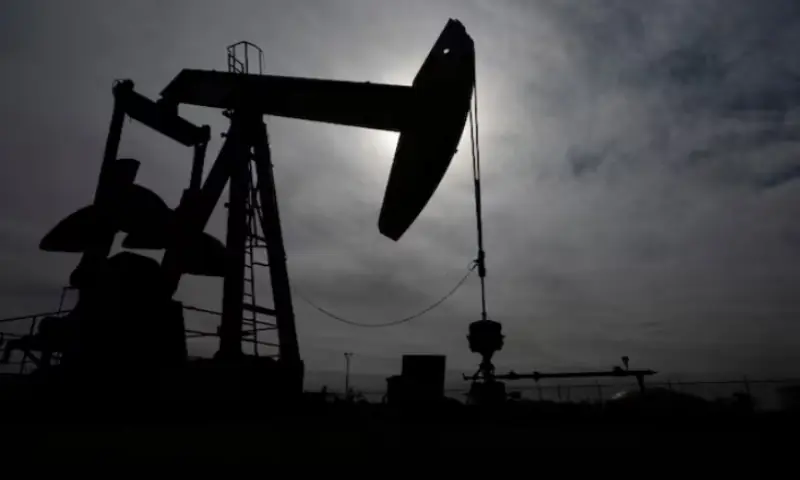
Oil prices fell 2% on Tuesday in early Asian trade after US President Donald Trump said he had paused a planned attack on Iran to allow for negotiations to end the war in the Middle East.
Brent futures for July delivery fell $2.26, or 2%, to $109.84 a barrel, while US West Texas Intermediate crude for June delivery fell $1.22, or 1.1%, to $107.44.
In the previous session, the benchmarks hit their highest levels since May 5 and April 30, respectively.
The June WTI contract expires on Tuesday, while the most active July contract fell $1.63 or 1.6% to $102.75 per barrel.
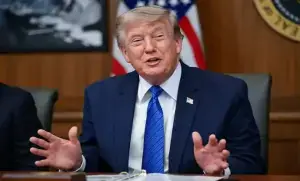
Trump said on Monday there was a “very good chance” the US could reach an agreement with Iran to prevent Tehran from obtaining a nuclear weapon, hours after announcing the pause in military action to allow talks.
“While Trump’s signal has eased some immediate pressure, the fundamental risks persist … The market is now watching whether Trump’s comments represent a genuine shift toward de-escalation or just a tactical pause,” said Tim Waterer, chief market analyst at KCM Trade.
“Also, how Iran responds to the latest developments, and what’s actually happening on the water with tanker movements through the Strait of Hormuz are key determinants of where oil prices head to from here.”
The Middle East conflict has effectively closed the Strait of Hormuz, a critical waterway that carries about a fifth of the global supplies of oil and liquefied natural gas, raising concerns over supply disruptions.
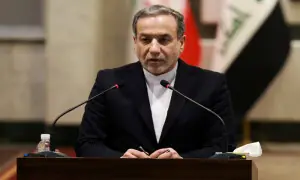
Iranian Foreign Ministry spokesperson Esmaeil Baghaei confirmed on Monday that Tehran’s position had been conveyed to the US via Pakistan but provided no further details.
A Pakistani official, speaking on condition of anonymity, said Islamabad had relayed a new proposal between the two sides but noted slow progress.
“One might think the oil market would become increasingly numb to these headlines,” ING analysts said in a client note. “However, the scale of supply disruptions is significant and growing more concerning each day that oil flows remain halted.”
Meanwhile, Iran’s semi-official Tasnim news agency reported that Washington had agreed to waive sanctions on Tehran’s oil exports during negotiations, but a US official denied the claim.
Separately, US Treasury Secretary Scott Bessent extended a sanctions waiver by 30 days to allow “energy-vulnerable” countries to continue purchasing Russian seaborne oil.
In the US, a record 9.9 million barrels were drawn from the Strategic Petroleum Reserve last week, Energy Department data showed, bringing stockpiles down to about 374 million barrels, the lowest point since July 2024.
Four analysts polled by Reuters estimated, on average, that US crude inventories fell by about 3.4 million barrels in the week that ended on May 15.
Official data from the Energy Information Administration is scheduled to be released on May 20.
For the latest news, follow us on Twitter @Aaj_Urdu. We are also on Facebook, Instagram and YouTube.












Comments are closed on this story.