


US-Iran standoff: Key hurdles to a comprehensive agreement
2 min read
President Donald Trump’s rejection of Tehran’s response to a 14-point US plan aimed at ending the war has raised fears of a prolonged conflict.
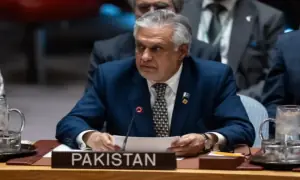
Despite intense diplomatic efforts being made by Pakistan and other regional countries, tensions remained high as both countries refused to soften their respective stances on key issues.
Neither side has publicly released the full text of their proposals, but sources say the main points of contention include:
Iran’s nuclear programme: The US demands a complete halt to Iran’s nuclear activities, while Tehran insists that any restrictions should be limited in duration.
Uranium stockpile: Washington seeks custody of Iran’s 400kg of highly-enriched uranium, a request that Tehran has firmly rejected.
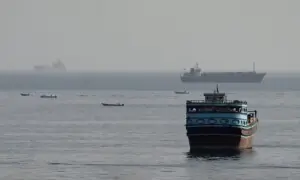
Strait of Hormuz: Iran wants formal recognition of its control over shipping in the strategic waterway, including the right to charge a transit fee, and calls for the lifting of the US blockade on its ports. The US has insisted that the blockade will remain until a deal is reached.
Frozen assets: Tehran wants sanctions relief and the release of $20 billion in frozen assets as part of any agreement.
War reparations: Iran is also seeking $270 billion in compensation for damages caused by US and Israeli attacks.
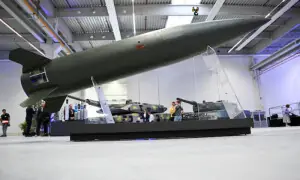
Regional influence: The US wants to restrict Iran’s support for regional allies such as Hezbollah in Lebanon and Hamas in Gaza, while also limiting its ballistic missile programme.
The divergent positions adopted by both sides on key issues are considered the main hurdle in reaching a comprehensive agreement to resolve the Middle East crisis.



Comments are closed on this story.