


Iran tightens control over Strait of Hormuz with new shipping rules
2 min read

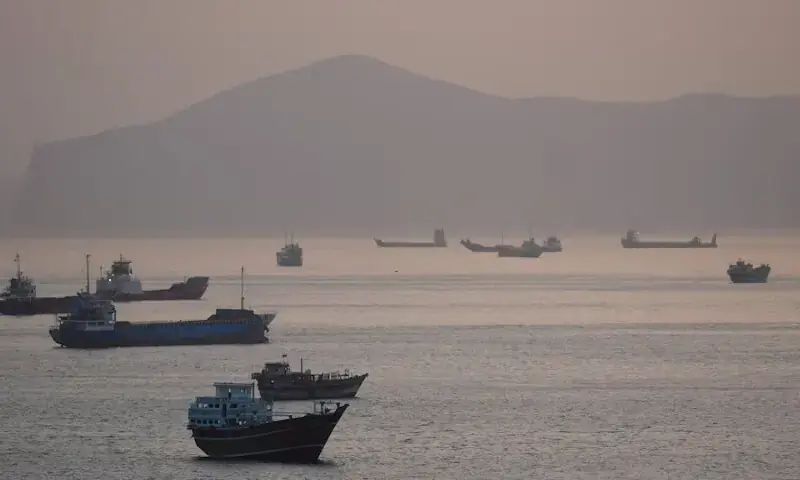
Amid ongoing tensions in the Middle East and heightened US-Iran disputes over naval activity, Iran has moved to strengthen its control over the strategically vital Strait of Hormuz through new shipping regulations and administrative measures.
According to shipping industry publication Lloyd’s List, Iran has introduced fresh rules requiring all vessels passing through the waterway to obtain prior permission and comply with updated regulatory procedures, including payment of a transit fee or “toll.”
The Strait of Hormuz is one of the world’s most critical energy corridors, with nearly one-fifth of global oil supplies passing through it.
Any disruption to the route has historically had an immediate impact on global energy prices.
Under the reported framework developed by a newly established “Persian Gulf Strait Authority (PGSA),” ships must now complete a detailed declaration form containing more than 40 questions.
These include vessel ownership, crew details, cargo information, insurance coverage and destination data.
Iranian state media said the system has been designed to reinforce national oversight and ensure maritime security in the region.
Authorities have warned that incorrect or incomplete information could result in penalties for shipping operators.
Officials have also indicated that vessel clearance may vary depending on political relations with different countries.
Iranian representatives have suggested that states aligned with US sanctions policies could face stricter scrutiny when transiting the waterway.
Iranian officials say the move is intended to assert sovereignty and generate economic and strategic leverage, with reports suggesting that revenue from the new system could be shared with neighbouring Oman.
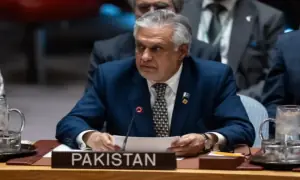
The United States has criticised the developments and reportedly warned shipping companies against complying with Iranian payment demands, while diplomatic efforts at the United Nations remain ongoing.
The situation has further intensified the already fragile maritime security in the region, as global markets closely monitor developments that could impact energy supplies and shipping costs.
For the latest news, follow us on Twitter @Aaj_Urdu. We are also on Facebook, Instagram and YouTube.










Comments are closed on this story.