Oil jumps as US and Iran disagree on peace proposal
2 min read



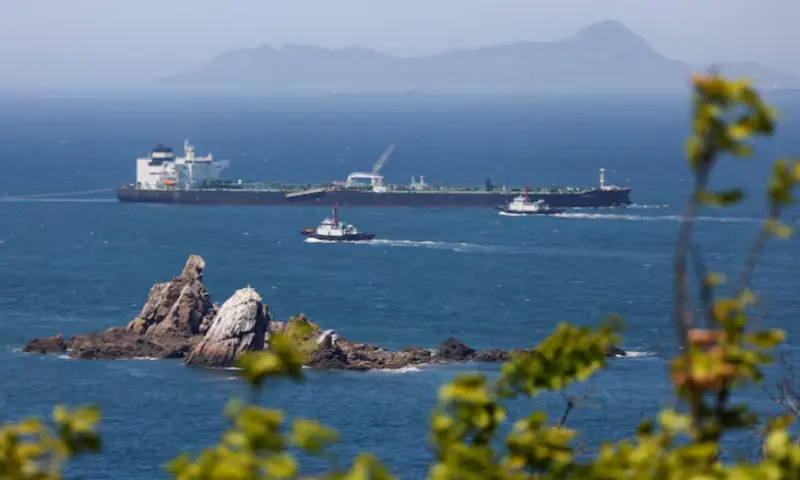
Oil prices jumped $3 a barrel on Monday as the United States and Iran failed to agree to a peace proposal drafted by Washington, while the Strait of Hormuz remained largely closed, keeping global energy supplies tight.
Brent crude futures climbed $3.18 or 3.14% to $104.47 a barrel by 2336, extending a 1.23% gain on Friday.
US West Texas Intermediate was at $98.51 a barrel, up $3.09, or 3.24%, after settling 0.64% higher in the previous session.
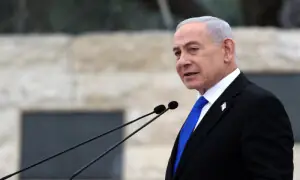
Hopes for an imminent end to the 10-week-old US-Iran conflict that would allow oil transit through the Strait of Hormuz were dashed after President Donald Trump on Sunday dismissed the Iranian response to a US proposal for peace talks as “unacceptable”.
Trump is scheduled to arrive in Beijing on Wednesday and is expected to discuss Iran , among other topics, with Chinese President Xi Jinping, according to US officials.
“Market attention now shifts squarely to President Trump’s visit to China this week,” IG market analyst Tony Sycamore said in a note.
“There is hope he can persuade Beijing to leverage its influence over Iran to push for a comprehensive ceasefire and a resolution to the ongoing disruption in the Strait of Hormuz.”
The world has lost about 1 billion barrels of oil over the past two months, and energy markets will take time to stabilise even if flows resume, Saudi Aramco CEO Amin Nasser said on Sunday.
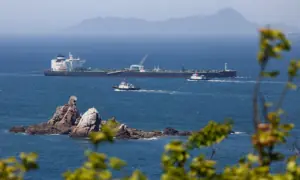
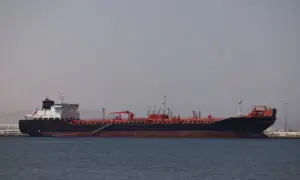
Another two tankers laden with crude exited the Strait of Hormuz last week with trackers switched off to avoid Iranian attacks, Kpler shipping data showed, underscoring a rising trend to sustain Middle East oil exports.
For the latest news, follow us on Twitter @Aaj_Urdu. We are also on Facebook, Instagram and YouTube.