Vance stays in Washington as Iran talks hang in balance
3 min read


The head of the US delegation to anticipated peace talks with Iran had yet to leave Washington on Tuesday, with Tehran still undecided on whether it would participate as the end of a temporary ceasefire drew near.
The two sides have offered different timelines for the expiration of the truce, with Iranian state TV saying the two-week pause would lapse at 0000 GMT on Tuesday, while US President Donald Trump said it would end a day later, on Wednesday evening Washington time.
Mediator Pakistan, which is hosting the negotiations between Washington and Tehran, has said the ceasefire will expire at 2350 GMT on Tuesday, and whether the talks would go forward at all remained shrouded in doubt.
Vice President JD Vance was expected to lead the US delegation to Islamabad, but as of Tuesday afternoon, he had yet to depart.
“Additional policy meetings are taking place at the White House in which the vice president will participate,” an official said in a brief statement sent to AFP shortly after 1700 GMT.
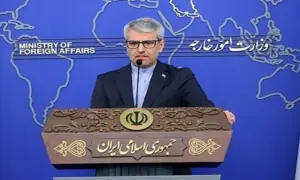
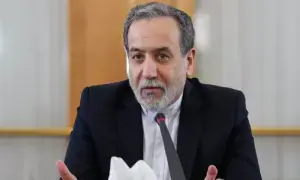
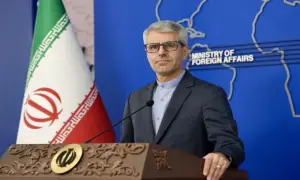
At around the same time, Iranian foreign ministry spokesman Esmaeil Baqaei said a final decision on whether Iran would take part still hadn’t been made.
“The reason for this is not indecision; the reason for this situation is that we are faced with contradictory messages, contradictory behaviours, and unacceptable actions from the American side,” he said.
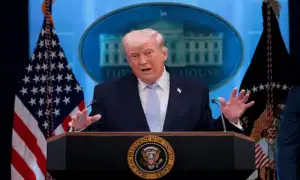
Earlier in the day, US President Donald Trump had touted what he called Washington’s “very, very strong negotiating” position, in spite of the uncertainty over the push to stop open conflict from resuming.
“We’re going to end up with a great deal. I think they have no choice,” he told broadcaster CNBC on Tuesday.
Since a marathon first round of talks, also in Islamabad, Trump has announced a blockade of Iranian ports, while Tehran has closed the Strait of Hormuz again.
Both sides have accused the other of ceasefire breaches.
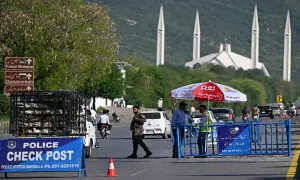
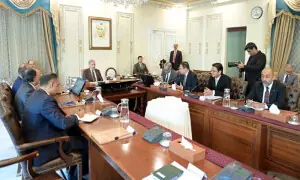
Pakistan, meanwhile, continued its down-to-the-wire mediation efforts to get both sides to its capital.
Foreign Minister Ishaq Dar urged the warring parties “to consider extending the ceasefire and to give dialogue and diplomacy a chance,” according to a Pakistani foreign ministry statement.
Information Minister Attaullah Tarar said Pakistan had not yet received a formal response regarding Iran’s participation, adding that a decision was “critical” as the hours remaining in the truce ticked down.
Iran’s parliament speaker and top negotiator Mohammad Bagher Ghalibaf said his country would not accept talks “under the shadow of threats”, and would “show new cards on the battlefield” if the conflict resumed.
In comments to US media, Trump said it was “highly unlikely” he would extend the truce, and warned that if it expired “then lots of bombs start going off”.
He also said the US blockade of Iran’s ports would not end until there was a deal.
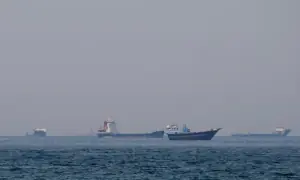
The US Defence Department said on Tuesday that its forces intercepted and boarded a “stateless sanctioned” vessel as part of Washington’s efforts against networks that provide support to Iran.
AFP has identified the vessel as one affiliated with Iranian activity.
For the latest news, follow us on Twitter @Aaj_Urdu. We are also on Facebook, Instagram and YouTube.