


Global fuel crisis hits households and businesses amid Middle East conflict
2 min read
Small businesses and households around the world are feeling the impact of rising fuel costs and shortages caused by the ongoing US-Israel attacks on Iran.
In Coimbatore, India, Alagesan, 35, struggles to keep his roadside drink and snack shop running as liquefied petroleum gas (LPG) supplies dwindle. “The gas cylinder is not available because of the war. I don’t know what to do,” he said.
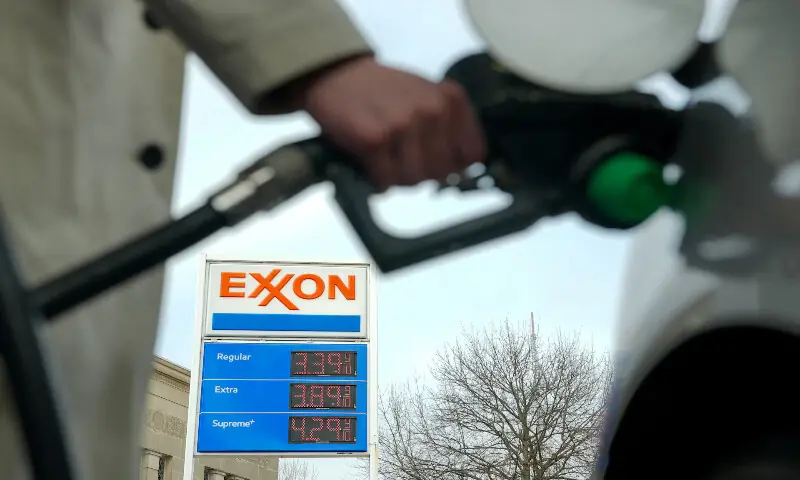
With the Strait of Hormuz – through which one-fifth of the world’s oil passes – nearly impassable, global oil prices have risen to around $100 per barrel.
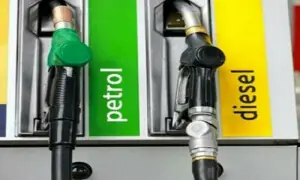
Gasoline, cooking fuel, and other goods are becoming more expensive, putting pressure on consumers and economies worldwide.
The International Energy Agency (IEA) has recommended measures to reduce fuel use, including working from home where possible, reducing highway speed limits, shifting to public transport, carpooling, using electric cooking, and avoiding air travel.
IEA Executive Director Fatih Birol warned that the conflict is causing “the largest supply disruption in the history of the global oil market,” with impacts likely to worsen without a swift resolution.
In India, LPG shortages have caused rationing, with some households waiting up to 35 days for gas cylinder refills.
Businesses, especially hotels and restaurants, are experiencing severe shortages, leading to closures and job losses.
Across the globe, individuals are finding ways to cope with higher prices.
In the UK, households reliant on heating oil face skyrocketing costs, with some using firewood, hot-water bottles, or limiting heating to a single room.
In the US, people are grouping errands, reducing car trips, and relying on public transport.
Residents with electric vehicles or solar panels report some relief, but many still must use cars for work or essential trips.
In Australia, citizens are cutting back on driving and reducing energy use, while in Northern Ireland and Scotland, families struggle to afford paraffin and heating oil amid freezing temperatures.
The conflict’s ripple effects underscore how a war in the Middle East can impact daily life far from the region, affecting energy access, household budgets, and global markets.
For the latest news, follow us on Twitter @Aaj_Urdu. We are also on Facebook, Instagram and YouTube.










Comments are closed on this story.