


Fashion week questions its audience
3 min read



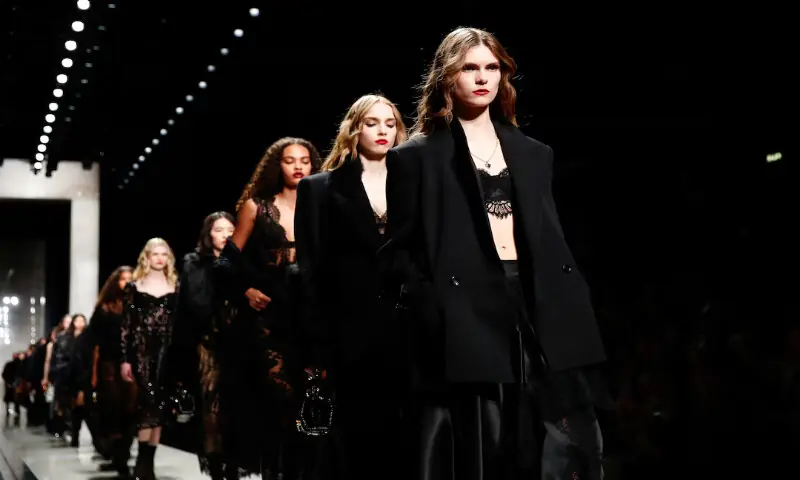
As fashion week unfolds, the industry’s growing global reach and soaring prices are raising a central question: who is it really for?
Fashion has become more visible than ever, with runway shows streamed online and brands competing for attention across platforms such as TikTok and Instagram.
The digital shift has created large online audiences eager to debate every collection.
At the same time, the products being promoted are increasingly out of reach for most viewers.
Prices have risen sharply in recent years. A Chanel bag, for example, has more than doubled in price since 2019, and many pieces in recent collections from major luxury houses now cost tens of thousands of dollars.
Industry leaders often suggest that younger audiences may engage with brands online and later purchase lower-priced items such as cosmetics, but consumers are becoming more selective.
At Prada’s latest show, the brand presented a collection focused on layering and movement, reflecting modern life and the changing roles of women.
The format featured a limited number of models presenting multiple looks, combining and adjusting pieces to highlight versatility and speed in daily dressing.
The event also drew attention because of the presence of high-profile tech executives, including Meta founder Mark Zuckerberg and his wife Priscilla Chan.
Their attendance sparked discussion about growing links between luxury fashion and the technology sector, amid speculation of potential collaborations.
Prada’s creative leadership acknowledged that the brand designs for a wealthy clientele and operates within the realities of the luxury market.
The company maintains that its runway presentations are artistic statements, while remaining commercially focused.
Other designers at Milan Fashion Week explored similar tensions between creativity and commerce.
Some brands emphasised bold concepts and digitally driven appeal, while others focused on refined tailoring and practical clothing intended for long-term wear.
Designers at labels such as Jil Sander and Marni highlighted wearable pieces aimed at real customers rather than purely social media impact.
Their collections centred on clean tailoring, layering, and updated interpretations of past styles, with an emphasis on garments designed to last beyond seasonal trends.
Meanwhile, Bottega Veneta presented oversized silhouettes and dramatic designs under its new creative direction, continuing the brand’s tradition of distinctive craftsmanship.
The show balanced artistic expression with the realities of its luxury positioning.
The week concluded with Giorgio Armani, presenting understated and neutral designs under the direction of Silvana Armani.
The collection reflected the brand’s long-standing focus on classic tailoring and accessible luxury, reinforcing its appeal across generations of customers.
Overall, this season in Milan highlighted the ongoing contradiction within fashion: the industry’s global visibility and cultural influence contrasted with the exclusivity of its products.
Designers continue to navigate the balance between creative expression, digital engagement and high-end commercial realities.
For the latest news, follow us on Twitter @Aaj_Urdu. We are also on Facebook, Instagram and YouTube.


















Comments are closed on this story.