


Dar urges policy continuity to anchor Pakistan’s economic reset
2 min read



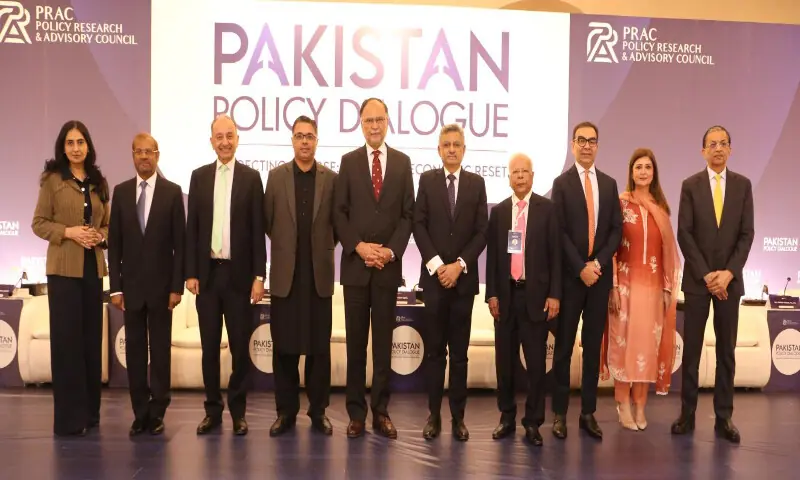
Deputy Prime Minister and Foreign Minister Ishaq Dar on Wednesday called for policy continuity and economic confidence, saying Pakistan’s economic reset must rest on stable governance, institutional continuity, and technology-enabled reforms.
Addressing the Pakistan Policy Dialogue titled “Correcting Course: Pakistan’s Economic Reset” in Islamabad, Dar said sustainable recovery required consistent policies beyond political cycles and better public service delivery through digitisation. “Policy intent must translate into measurable outcomes,” he said.
Dar said Pakistan’s diplomacy was focused on supporting business, boosting exports, and building partnerships anchored in economic interests. He reiterated Pakistan’s commitment to reform, discipline and constructive collaboration to strengthen the economy.
The dialogue brought together senior policymakers, corporate leaders, and development experts to discuss pragmatic reforms, growth-oriented policies, digitisation, and institutional strengthening at a critical time for the economy.
Federal Planning Minister Ahsan Iqbal stressed the need to balance short-term stabilisation with long-term development, highlighting productivity, planning, and export competitiveness. Finance Minister Muhammad Aurangzeb outlined reform priorities, focusing on macroeconomic stability, population pressures, climate risks, and the need to formalise emerging sectors such as crypto and blockchain.
Climate Change Minister Musadik Malik underscored equitable access to capital, while Privatisation Adviser Muhammad Ali said the government must refocus on areas better handled by the private sector. Former state bank governor Ishrat Husain called for a shift toward services exports and human capital development to drive sustainable growth.
Policy Research and Advisory Council (PRAC) Chairman Muhammad Younus said Pakistan had moved from default risk to macroeconomic stability, citing lower inflation, higher reserves, and a current account surplus. He said future growth would depend on human capital, AI-ready skills, effective local governments, and a predictable policy framework.
Former investment minister Muhammad Azfar Ahsan said structural reforms, evidence-based policymaking, and closer state–private sector collaboration were essential to correct Pakistan’s growth trajectory.
The dialogue featured sessions on digital inclusion, green growth, macroeconomic competitiveness, and private-sector-led delivery. Participants stressed the need to accelerate digitisation, mobilise private capital for climate action, reform tariffs and customs, and address structural bottlenecks in energy, water, and exports.
Organisers said the forum would continue as a national platform to advance evidence-based policymaking and support Pakistan’s ongoing economic reset.
For the latest news, follow us on Twitter @Aaj_Urdu. We are also on Facebook, Instagram and YouTube.











Comments are closed on this story.