


A distant war, a direct shock: Why the US-Israel-Iran conflict could hit Pakistan hard
5 min read
The widening conflict involving the United States, Israel and Iran may appear geographically distant from Pakistan, but its consequences could be immediate and severe. From economic vulnerability and diaspora exposure to energy shocks and geopolitical pressure, Pakistan is among the countries most likely to feel the indirect fallout of a prolonged Middle Eastern war.
In today’s globalised economy, wars rarely remain confined to the battlefield. The current conflict threatens to disrupt energy markets, destabilise Gulf economies and place millions of migrant workers at risk. These developments could directly shake Pakistan’s fragile economic foundation.
Gulf instability and the Pakistani diaspora
The first and most immediate impact is being felt across the Gulf economies, particularly Saudi Arabia, United Arab Emirates, Qatar, Bahrain and Kuwait, which host millions of Pakistani workers.
Iran’s retaliatory strategy has already expanded beyond direct confrontation with Israel. Missile and drone attacks targeting US-linked facilities and strategic infrastructure in the Gulf have heightened fears that the conflict could spread across the entire region. Even if large scale destruction is avoided, the threat alone is enough to disrupt investment, energy production and major development projects.
For Pakistan, the stakes are enormous.
Around 2.5 to 3 million Pakistanis live and work in Saudi Arabia, while roughly 1.6 to 1.8 million are employed in the United Arab Emirates. Hundreds of thousands more reside in Qatar, Kuwait and Bahrain. These workers are deeply embedded in the Gulf’s construction, services and energy sectors.
Any economic slowdown triggered by war, whether through security restrictions, falling investment or damaged infrastructure, could quickly affect employment opportunities for migrant labour.
A prolonged conflict could therefore threaten the livelihoods of millions of Pakistani workers abroad.
The remittance lifeline
The vulnerability is not only social but macroeconomic. Overseas Pakistanis send between $30 billion and $35 billion annually back home, making remittances one of Pakistan’s largest and most reliable sources of foreign exchange.
This money supports millions of households, but it also performs a critical function for the national economy. Remittances help stabilise the rupee, strengthen foreign exchange reserves and offset Pakistan’s persistent current account deficit.
A disruption in Gulf labour markets would therefore ripple directly into Pakistan’s economic system. Even a modest decline in remittances could weaken the country’s balance of payments position and place additional pressure on its already strained finances.
Pakistan’s economy remains structurally fragile, characterised by low exports, high external debt and recurring fiscal crises. Remittances have long acted as a financial buffer against these weaknesses.
If Gulf economies slow down due to war, that buffer could quickly erode.
The Strait of Hormuz and the oil shock
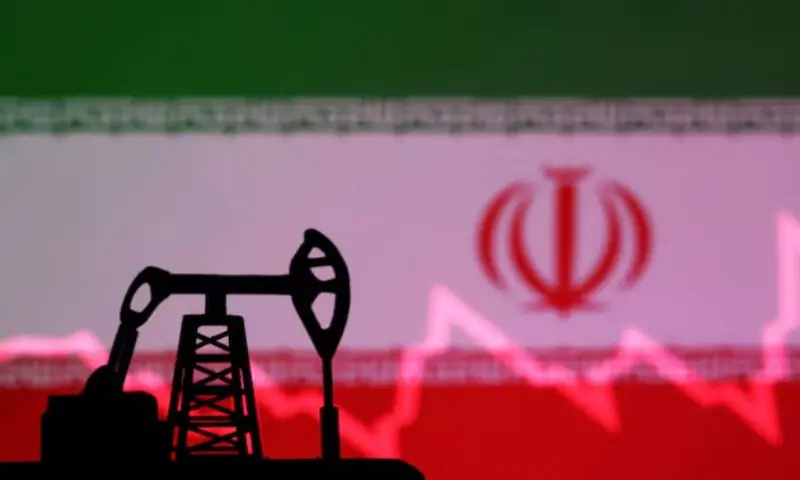
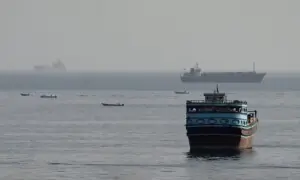
Another major shock comes from the disruption of the strategic Strait of Hormuz, the narrow maritime corridor through which roughly a fifth of the world’s oil supply passes.
With tensions escalating and shipping under threat, energy markets have been thrown into turmoil. Oil prices have surged towards 100 dollars per barrel, reflecting fears that supplies from the Gulf could be significantly disrupted.
For Pakistan, a country that imports most of its energy needs, such a surge represents a direct economic blow.
Energy imports already consume a substantial portion of Pakistan’s foreign exchange reserves. Higher global oil prices therefore, translate almost immediately into domestic economic stress.
Fuel prices and inflation pressure
The Pakistani government has already been forced to respond to rising energy costs.
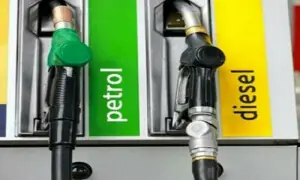
Islamabad recently announced a sharp increase of Rs55 per litre in petrol and diesel prices, one of the largest fuel hikes in recent years. The increase was largely driven by global oil market volatility and concerns about supply disruptions linked to the conflict in the Gulf.
For ordinary Pakistanis, higher fuel prices are never just about petrol.
Transport costs rise, electricity generation becomes more expensive and the price of essential goods quickly follows. Inflation, already a persistent challenge for the country, is likely to accelerate further.
If oil markets remain volatile and prices climb higher, the government may be forced to implement additional fuel price increases. For a population already struggling with the cost of living, such measures could have catastrophic social and political consequences.
A difficult geopolitical dilemma
The crisis also places Pakistan in a complicated diplomatic position.
Islamabad maintains strong historical and strategic ties with Saudi Arabia, including defence cooperation agreements and long-standing military collaboration. Pakistani officers have served in Saudi defence structures, and the two countries have often supported each other in times of crisis. Above all, Pakistan and Saudi Arabia signed a Strategic Mutual Defence Agreement, which formalises decades of security cooperation and establishes a framework for collective defence.
If the conflict expands and Gulf states become more deeply involved, Pakistan could face pressure to provide military or logistical support to Riyadh.
Such involvement would carry serious political risks.
On one hand, supporting Saudi Arabia would reinforce Pakistan’s strategic partnership with the Gulf, a relationship that brings financial assistance, energy supplies and employment opportunities for millions of Pakistanis.
On the other hand, entering a conflict that pits Saudi Arabia and the United States against Iran could create significant regional complications. Pakistan shares a long border with Iran and maintains complex diplomatic, economic and sectarian sensitivities tied to Tehran.
Direct involvement could inflame internal tensions while complicating Pakistan’s already delicate regional diplomacy.
Walking a strategic tightrope
For Pakistan, the expanding Middle Eastern war highlights a difficult strategic reality. The country’s economic stability is closely tied to the Gulf, yet its geopolitical environment requires careful balancing between competing regional powers.
If the US Israel Iran conflict widens further, Pakistan will face three simultaneous challenges. It must protect its diaspora, safeguard the flow of remittances and avoid entanglement in a broader regional war.
In an interconnected world, distant conflicts often have immediate consequences. For Pakistan, the stakes are far higher than geography might suggest. A war unfolding thousands of kilometres away could reshape the country’s economic stability, energy security and foreign policy choices for years to come.
The writer is a seasoned journalist covering the economy and international affairs.
For the latest news, follow us on Twitter @Aaj_Urdu. We are also on Facebook, Instagram and YouTube.






Comments are closed on this story.