


Literature festivals lost their spark
9 min read

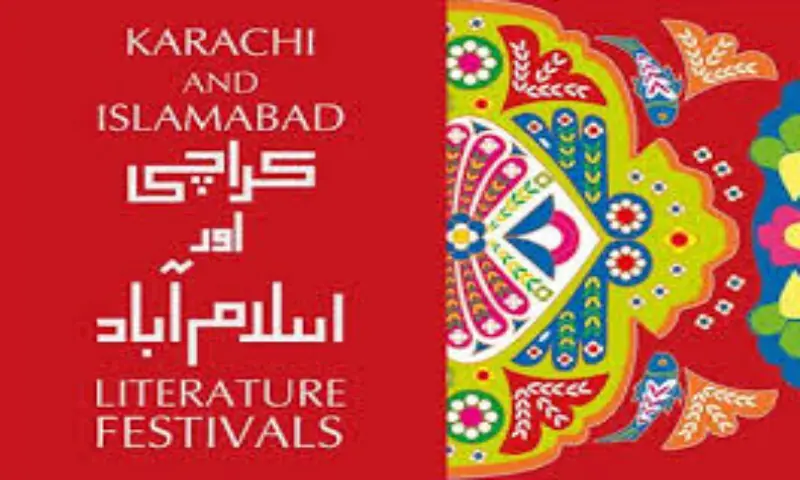
Over the decades, Pakistan has witnessed numerous literature festivals and conferences, particularly in cities such as Karachi, Lahore, Islamabad, Multan and Hyderabad.
These events are designed to celebrate the rich heritage of Urdu literature, offering platforms for poets, novelists, playwrights, and critics to share their work and engage with the audiences.
In theory, these gatherings should also serve as incubators for new talent, creating opportunities for emerging voices to contribute to the literary discourse.
However, despite their apparent purpose, many of these festivals have become monotonous and predictable, dominated by the same well-known figures, with little room for new perspectives or experimentation.
This trend has slowly transformed vibrant literary celebrations into occasions that often feel formal and routine rather than exciting and thought-provoking.
The reliance on familiar names has created an environment where the audience largely hears what it already knows, limiting the scope for intellectual stimulation and meaningful engagement with contemporary literature.
Prominent festivals such as the Karachi Literature Festival, Lahore Literary Festival, Islamabad Literature Festival, Alami Urdu Conference, Adab Festival, Hyderabad Literary Festival, and Multan Literary Festival have grown in stature over the years, attracting local and international audiences alike.
They offer panels, discussions, poetry readings, book launches, and interactive workshops.
While these events have succeeded in promoting literary appreciation and generating media coverage, they often follow a repetitive and formulaic pattern.
Each year, the audience is introduced to the same familiar group of well-known poets, scholars, critics, and writers.
These figures have made great contributions to literature, and their presence is always appreciated.
However, when the same people appear again and again, the event starts to feel predictable.
It becomes less exciting because the discussions usually follow the same ideas and perspectives.
This repetition also reduces opportunities for the new or lesser-known voices to take part.
Talented writers from different regions, or those who are experimenting with fresh and creative styles, often do not get the chance to be heard.
As a result, the range of topics and opinions remains limited, and the event misses the chance to grow and reflect the full variety of literature in the country.
One of the key reasons behind this monotony is the over-reliance on established literary personalities.
Festival organisers often prioritise credibility and public recognition, believing that featuring well-known writers guarantees higher attendance and media attention.
While this approach may ensure short-term visibility, it inadvertently sidelines emerging talent.
Young poets, regional writers, and authors from smaller towns rarely receive the opportunity to present their work on such prestigious platforms.
Consequently, Urdu literature festivals risk becoming exclusive spaces for the literary elite, where innovation is overshadowed by tradition, and audiences are deprived of exposure to diverse voices.
This reliance on known names may also discourage experimentation, as both organisers and audiences begin to expect conventional themes and familiar formats.
This repetitive approach has multiple consequences. First, audiences are often limited to a narrow understanding of Urdu literature.
While major cities like Karachi and Lahore are undeniably hubs of literary activity, Urdu writing thrives far beyond these metropolitan areas.
Writers from smaller towns and remote regions of Punjab, Sindh, Khyber-Pakhtunkhwa, and Balochistan bring fresh perspectives shaped by local culture, dialects, and social realities.
Authors from smaller towns, or modern poets from Multan, Sargodha, or Gilgit-Baltistan, offer insights into social, cultural, and political conditions that may be unfamiliar to city-based audiences.
Their inclusion could significantly enrich literary festivals, offering insights into contemporary Pakistani life that are otherwise overlooked.
The absence of these voices reinforces a homogenised, metropolitan view of Urdu literature, ignoring the broader spectrum of experiences and narratives that exist across the country.
Without these diverse voices, literature risks becoming an echo of itself rather than a living reflection of society’s multiplicity.
Secondly, young writers may feel discouraged from pursuing literary careers if they perceive that recognition is reserved for a select group of established figures.
Literature thrives on experimentation, innovation, and the infusion of new ideas. By continuously showcasing the same poets, novelists, and critics, such festivals inadvertently stifle creative energy.
This approach risks alienating younger audiences, who may find the discussions and readings repetitive and feel that contemporary issues are not adequately addressed in literary discourse.
Themes such as women’s empowerment, environmental crises, minority rights, technological impacts on society, and urban alienation are often discussed only superficially, if at all.
Urdu literature festivals should ideally be dynamic spaces that encourage curiosity, debate, and exploration, yet their current format often fails to engage participants beyond surface-level appreciation of established works.
Structural and organisational challenges further exacerbate this issue. Many literary events in Pakistan lack a deliberate strategy to diversify content and participants.
Panels frequently cover similar topics, such as classical poetry, modern ghazals, or well-established novelists, while neglecting experimental forms like flash fiction, spoken word, digital storytelling, and socially conscious prose.
Financial constraints also play a role. Organisers often rely on established writers because they are easier to contact and more likely to accept invitations without negotiation.
Emerging writers from smaller towns or rural areas may face travel expenses, accommodation difficulties, or visa complications, particularly if international guests are involved.
Sponsors and government cultural departments also tend to prefer established names to avoid the perceived risk of low attendance or critical scrutiny.
These practical considerations, though understandable, contribute to a cycle in which the same writers dominate festival programmes year after year.
The impact on audiences is considerable. For students, young professionals, and literary enthusiasts, exposure to new voices is a primary attraction of literature festivals.
When events repeat the same speakers and topics, engagement diminishes. Instead of encountering innovative ideas or unfamiliar perspectives, audiences are presented with familiar narratives, limiting intellectual stimulation.
The exclusion of emerging writers also means that contemporary social issues may not be adequately represented.
Many new poets and authors focus on themes such as gender equality, climate change, political unrest, social justice, and the experiences of marginalised communities.
Writers like Muhammad Imran, Sania Saeed’s literary circle, and young poets from Gilgit or rural Sindh often explore these topics in ways that are deeply connected to lived realities.
By neglecting these voices, literary festivals inadvertently present a version of Urdu literature that is somewhat disconnected from the broader social and cultural fabric of Pakistan.
Addressing this problem requires a concerted effort to introduce lesser-known and emerging talent.
Pakistan is home to countless gifted writers whose work remains largely unheard due to geographic, economic, or institutional barriers.
Including these writers in major literary festivals would diversify the range of perspectives and rejuvenate the literary scene.
Emerging writers offer innovative forms, experimental styles, and fresh themes that resonate with contemporary audiences.
They challenge conventional narratives, experiment with structure, and bring attention to underrepresented issues, which makes literary gatherings more dynamic and relevant.
By providing such platforms, festivals can help create a more inclusive literary ecosystem that encourages young writers to continue producing work with confidence and originality.
Several measures can help achieve this goal. The organisers should actively seek participation from writers across the country, including those from smaller towns and rural areas.
By doing so, they not only promote inclusivity but also encourage a broader appreciation of Urdu literature in all its diversity.
Literary competitions, whether at local, provincial, or national levels, can identify promising talent and provide structured opportunities for young writers to participate in prestigious events.
Festival programmes should explore contemporary and unconventional themes, such as urbanisation, technology, environmental concerns, social justice, and women’s narratives.
This approach will attract younger audiences and develop meaningful discussions about literature’s role in modern society.
Mentorship programmes can also play an important role in breaking the cycle of monotony.
Established writers could mentor emerging talent, creating a supportive environment that encourages growth rather than maintaining exclusivity.
Digital platforms can further expand access, allowing writers who cannot travel to participate via online readings, panels, and workshops.
Such hybrid models not only increase inclusivity but also introduce audiences to innovative literary forms, including performance poetry, online storytelling, and collaborative projects.
Interactive formats, such as workshops, poetry slams, and live storytelling sessions, can replace traditional panel discussions, making festivals more engaging and participatory.
Community outreach is another essential strategy. Schools, colleges, and local literary societies can serve as sources of untapped talent.
Engaging grassroots communities ensures a steady influx of writers and readers, broadening the reach of Urdu literature.
Similarly, recognising the importance of regional literature, including translation projects and cross-cultural exchanges, can bring the richness of Pakistan’s multilingual literary traditions into Urdu literature festivals.
Writers producing works in Sindhi, Punjabi, Pashto, and Balochi often reflect unique cultural experiences and social realities.
Translating and presenting these works in Urdu creates a more comprehensive understanding of the nation’s literary landscape.
Some smaller, community-driven festivals have successfully implemented these approaches, demonstrating the potential for change.
Regional literary gatherings in cities like Multan, Peshawar, Quetta, and Sukkur often include emerging writers alongside established figures, creating dynamic and inclusive programmes.
Such examples show that careful planning, creativity, and a willingness to experiment can prevent repetition and enhance the quality of Urdu literature festivals.
Internationally, festivals such as the Jaipur Literature Festival have dedicated sessions for emerging writers, blending tradition with innovation.
Pakistani festivals can adopt similar models, ensuring a balance between admiring literary icons and nurturing new talent.
Urdu literature festivals in Pakistan must move beyond the repetition of familiar names and predictable programmes.
They should embrace diversity, innovation, and inclusivity, creating spaces where established writers can share the stage with young poets, regional authors, and experimental writers.
Doing so will not only revitalise the literary scene but also ensure that the festivals remain relevant, engaging, and reflective of Pakistan’s rich cultural and social diversity.
Breaking the cycle of monotony requires commitment from festival organisers, sponsors, cultural institutions, and literary communities.
By prioritising emerging talent, experimenting with new formats, and embracing digital and community-based initiatives, Urdu literature festivals can transform from predictable gatherings into vibrant cultural experiences.
These events have the potential to nurture creativity, encourage dialogue, and raise a new generation of writers who can carry forward Pakistan’s literary legacy with fresh ideas and diverse perspectives.
Urdu literature festivals have succeeded in celebrating the contributions of literary giants and promoting appreciation among the audiences, but their continued reliance on a select group of established figures threatens to make them stagnant and uninteresting.
To fulfil their purpose, these festivals must embrace inclusivity, diversity, and innovation.
By providing platforms for emerging writers, recognising regional voices, and experimenting with themes and formats, Urdu literature festivals can remain dynamic, engaging, and relevant.
The future of Urdu literature in Pakistan depends on respecting its traditions while also encouraging new, lively, and diverse voices. If this balance is achieved, literary festivals can become centres of cultural and intellectual growth.
They will show the richness of Pakistan’s writing and help support the next generation of authors and thinkers.
In this way, Urdu literature will stay alive, continue to grow, and remain connected to society, speaking to people of all ages and from all parts of the country.
The writer is a seasoned journalist and a communications professional.
He can be reached at [email protected]
For the latest news, follow us on Twitter @Aaj_Urdu. We are also on Facebook, Instagram and YouTube.







Comments are closed on this story.