


Growing Up in a Changing Pakistan
10 min read

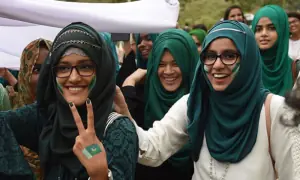

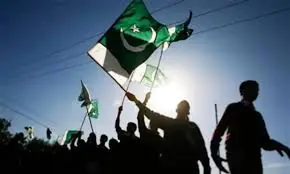
The story of modern Pakistani youth is a story of change, exploration, and a search for balance. Young people across the country are growing up in a world that is different from that of their parents and grandparents. Technology, global media, education, social movements, and economic pressures are shaping their views and influencing their choices. At the same time, they carry deep connections to family values, cultural traditions, and the social expectations that have shaped Pakistani society for generations. The way they negotiate these influences is quietly but powerfully reshaping identity in contemporary Pakistan. Their transformation is not sudden or loud, but it is steady, visible, and meaningful.
In many ways, the most striking change can be seen in how the youth understand their personal identity. Earlier generations often saw identity as something given to them by family, tribe, religion, and community, with little room for personal expression or questioning. Young Pakistanis today, however, find themselves forming identity through a mix of tradition and personal choice. They may respect cultural norms, but they also want the freedom to decide who they are. This includes choices regarding education, career, relationships, personal interests, and even the way they dress or speak. This shift does not always mean rebellion; often it simply means making space for individuality while still keeping a sense of belonging.
The internet and social media have played perhaps the most influential role in this transformation. Young people now have access to a world of ideas, experiences, and viewpoints beyond their immediate surroundings. A teenager in a small town can watch videos from around the world, learn new skills, participate in global discussions, and follow paths that may not exist locally. This exposure helps them compare, reflect, and question older expectations. It also connects them with others who share similar interests, whether those interests are technical, creative, social, or political. These connections build confidence and expand horizons, making it easier for them to express themselves and define their identities in more fluid ways.
However, the influence of technology is not only about adopting new ideas. It also helps young Pakistanis reinterpret their own culture. For example, traditional music forms like qawwali, folk songs, or regional poetry are circulating widely again through online platforms. Young artists remix old melodies, add modern instruments, or present classical poetry with modern visual styles. Through these efforts, traditions that seemed old-fashioned to previous generations of youth are becoming fresh and meaningful again. This blend of old and new helps young people carry forward cultural heritage, but in the forms that resonate with the modern world.
Education is another area where identity is being reshaped. More young people, especially women, now have access to higher education. Exposure to diverse subjects, critical thinking, and interaction with people from different backgrounds encourages them to develop their own opinions. For many young women, education is not only a path to employment but also a path to confidence and independence. Their increasing participation in education and the workforce is changing family dynamics and shifting longstanding expectations about gender roles. While this shift is not the same in all regions or social groups, it is strong enough to influence the direction of the society as a whole.
Career choices reflect these changes as well. Older generations often encouraged stable professions such as medicine, engineering, teaching, or government work. Many young Pakistanis still follow these paths, but a growing number are exploring creative fields, entrepreneurship, digital freelancing, and technology startups. The rise of online work has made it possible for them to earn from photography, graphic designing, writing, coding, and countless other skills without needing traditional jobs. These choices allow them to build careers that feel personally fulfilling rather than merely socially acceptable. This shift is also challenging the belief that success only comes from a narrow list of prestigious professions.
Social attitudes are also gradually shifting. Young people today are more open to discussing issues that were once considered taboo, such as mental health, personal wellbeing, and emotional struggle. Although older generations sometimes see these discussions as unnecessary or uncomfortable, many young Pakistanis understand that silence can be harmful. They use online spaces to share experiences, offer support, and spread awareness. This emerging openness does not mean that society has fully accepted such conversations, but it indicates a significant step forward in how young people view themselves and their responsibilities to one another.
Relationships are another important area where the youth are redefining identity. While arranged marriages remain common and traditional expectations still shape family decisions, many young Pakistanis now value compatibility, understanding, and communication in relationships. They want to build partnerships based on mutual respect rather than obligation alone. Even when they accept arranged matches, they may want to meet the person first, talk, and understand compatibility. This idea was not widely encouraged in the past. Though this shift varies across regions, classes, and families, it is creating new expectations about what relationships should look like.
Religion remains a central part of Pakistani identity for many young people, but the way they practice and understand religion is also evolving. Many youth seek a more personal and informed connection to faith rather than relying solely on inherited customs. They may study religious texts, listen to scholars online, or explore spiritual practices that speak to their individual experiences. Their approach often emphasises compassion, reflection, and personal growth, rather than strict social enforcement. This does not mean that they reject tradition but that they seek a version of religious life that feels meaningful in the modern world.
At the same time, young Pakistanis face significant challenges that shape their views. Economic uncertainty, inflation, unemployment, and social pressures can make life stressful. Many young people feel caught between their ambitions and the limitations imposed by society or circumstances. These pressures influence their search for identity, as they try to balance practicality with aspiration. Economic struggle often forces them to be resourceful, creative, and determined, qualities that reshape their character and their view of themselves. They may develop a strong sense of responsibility, not only for themselves but for their families and communities.
Despite these challenges, the youth remain hopeful and energetic. Pakistani young people are often active in volunteer work, community projects, and social causes. They raise their voices on environmental issues, education reforms, women’s safety, and civic responsibility. They use social media to organise campaigns, raise awareness, and inspire positive change. Their activism may not always be formal or traditional, but it reflects a deep desire to improve society. This sense of responsibility, combined with their willingness to experiment and adapt, is a powerful force shaping the future of the country.
Traditional customs around clothing and lifestyle are also changing. While many young people happily wear traditional clothes on cultural or religious occasions, they also embrace modern fashion in their daily lives. This mixture of styles shows that they do not see tradition and modernity as opposite forces. Instead, they pick what suits them from both the worlds. Similarly, their language patterns blend Urdu, English, and regional languages in a flexible and expressive way. This linguistic mix reflects their ability to move between different identities depending on the situation.
Family remains deeply important to Pakistani youth, but their relationship with family is changing in subtle ways. They are less willing to follow rules without explanation, yet they still value respect and affection. Many young people try to communicate openly with their elders, even if it is difficult. They want to share their dreams and challenges, hoping for understanding. This is creating a slow but steady shift in how families talk, decide, and support one another. Young people want families to be places of dialogue rather than strict obedience, and although change is slow, it is happening.
Another key part of this evolving identity is the desire for global connection without losing cultural roots. Young Pakistanis are more aware of global events, international trends, and opportunities abroad. Many dream of studying or working in other countries, not because they reject Pakistan, but because they want broader experiences. Yet, even when they go abroad, they often remain closely connected to their cultural identity through language, food, festivals, and community. This shows that modern identity is not about choosing one world over another but about combining them in meaningful ways.
Entertainment also reflects this blend of influences. Pakistani youth enjoy global films, music, and sports, but they are also rediscovering local dramas, folk songs, and traditional festivals. The revival of regional languages and local storytelling among young people shows a growing pride in cultural heritage. Social media platforms are filled with young creators who promote regional accents, poetry, crafts, and history in fun and modern ways. These efforts create a sense of shared identity that feels both modern and rooted.
Their story also includes a quiet but meaningful shift in how they imagine the future. Many young Pakistanis think more deeply about what kind of life they want to build, not only for themselves but also for their families and communities. They are beginning to value emotional wellbeing, personal satisfaction, and healthy relationships just as much as financial stability. This does not mean ignoring reality but rather understanding that a fulfilling life requires more than income. This new thinking encourages them to explore possibilities that the previous generations may not have prioritised, such as work life balance, personal passions, and long-term happiness.
Another important part of their evolving identity is how they deal with differences. Pakistan is home to many cultures, languages, and traditions, and young people are more comfortable interacting with the diversity than ever before. Their exposure to different lifestyles through school, travel, and online platforms helps them appreciate multiple viewpoints. They may still encounter social divisions, yet many believe that disagreement does not have to lead to hostility. This ability to respect differences, while staying confident in their own identity, reflects maturity and hope for a more cooperative society.
Their creativity also plays a major role in shaping identity. With simple tools like mobile phones, they produce music, films, photos, and written content that capture modern Pakistani life. Their creativity is driven by curiosity rather than resources, allowing them to express themselves freely and share their perspectives with large audiences. This creative expression gives the world a glimpse of a fresh, youthful Pakistan and helps young people feel that their stories matter.
Overall, the identity of modern Pakistani youth is neither fully traditional nor completely modern. It is a blend and an ongoing journey. They are not rejecting their culture but reshaping it to fit the world they live in. They are proving that identity is not a fixed box but something that grows with experience. Their reinterpretation of tradition is gentle but firm. They respect the values of their elders, yet they also want space for personal choice, creativity, and critical thinking. This combination is creating a more flexible and diverse understanding of what it means to be a Pakistani.
As this generation grows older, their influence will likely become stronger. They will raise families differently, run businesses differently, and participate in society differently. Their approach to identity, one that blends tradition with individuality, may lead to a more open, creative, and balanced society. They are the bridge between the past and the future, carrying forward what is meaningful while letting go of what no longer serves them. Their journey reflects the broader evolution of Pakistan as a society that is both deeply rooted and constantly changing.
In the quiet choices of everyday life, in the conversations they have, the careers they pursue, the art they create, and the relationships they form, modern Pakistani youth are rewriting the story of identity. They are showing that tradition does not have to be abandoned; it can be adapted. They are proving that modernity does not mean losing oneself; it can mean discovering oneself. Their identity is not defined by conflict between old and new but by the creative blending of both. And through this blending, they are shaping a future that reflects both the richness of their heritage and the promise of their individuality.
The writer is a seasoned journalist and a communications professional.
He can be reached at [email protected]
For the latest news, follow us on Twitter @Aaj_Urdu. We are also on Facebook, Instagram and YouTube.








Comments are closed on this story.