



Young heart attack disorder under-diagnosed in Pakistan: Lancet
3 min read



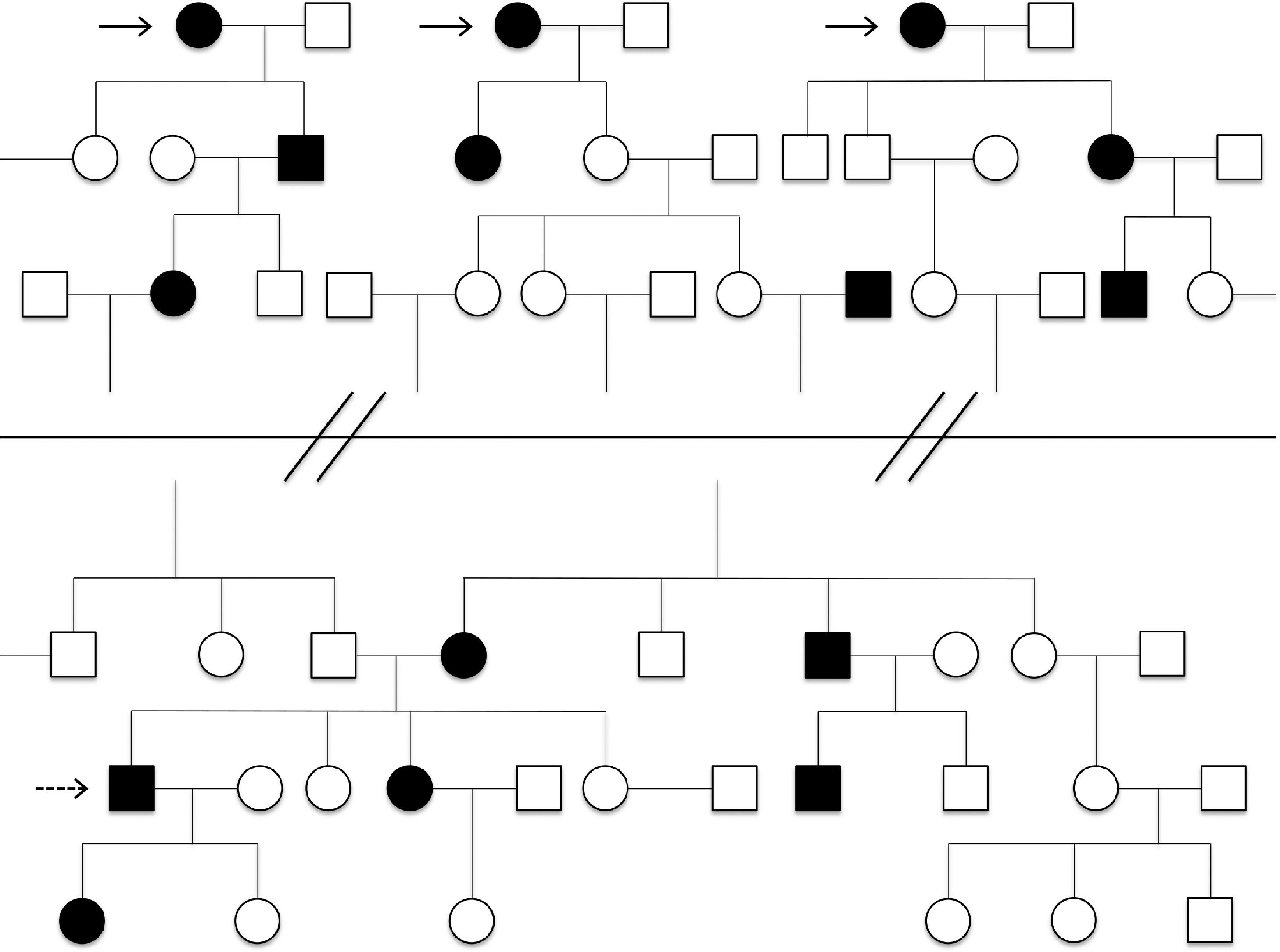
There is a disorder called Familial hypercholesterolemia or FH which makes fat collect in your arteries and puts you at risk of heart attack and stroke. And in a survey of 128 physicians across Pakistan, researchers have found that genetic testing is rarely done for people suspected with FH.
The Lancet just published the study ‘Mapping of familial hypercholesterolemia and dyslipidemias basic management infrastructure in Pakistan: a cross-sectional study’ by Fouzia Sadiq, Saeed Shafi, Jaka Sikonja, Madeeha Khan, Quratul Ain, Mohammad Iqbal Khan et al. on February 19, 2023. The team is mostly from Shifa Tameer-e-Millat University, Islamabad.
They wanted to survey cardiologists, paediatricians, endocrinologists, and internal medicine specialists from different regions of Pakistan to see how FH patients are managed in our healthcare system.
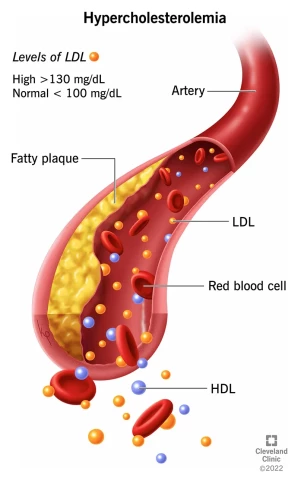
If you have FH, you have a lipid disorder in which your bad cholesterol or low-density lipoprotein (LDL) is too high. This makes fat collect in your arteries (atherosclerosis), which puts you at a higher risk of heart attack and stroke. It is disorder that is passed down through families. The condition begins at birth and can cause heart attacks at an early age.
- WHO recommends a 1 physician for 1,000 people
- 44% of countries fail to meet this goal
- Pakistan has a ratio of 1.12 physicians per 1,000 people
According to the majority (75%) of the doctors who took part in the study, their patients with premature cardiovascular disease had their cholesterol levels measured and were prescribed lipid-lowering therapy. But genetic testing was rarely performed.
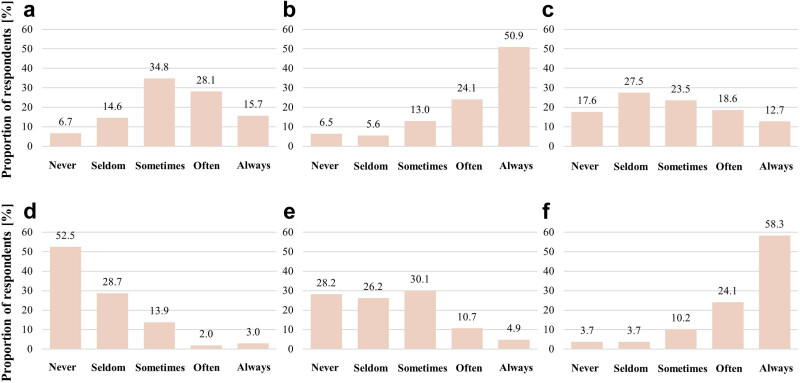
A majority of the physicians in the study considered statins and ezetimibe combined with lifestyle changes as a recommended treatment option for adults with FH (46.6%). For children with FH they recommended statins and lifestyle changes (40.9%).
Mostly the doctors said that it was too expensive to run a systematic FH screening program. They said that the average monthly cost of statins for their patients was Rs1,700 for adults and Rs1,500 for children.
The international guidelines agree that high cholesterol levels, a family history, and physical features of FH suggest a diagnosis. Genetic testing of family members is generally recommended as an effective approach for FH screening.
Pakistan spent 1.2% of its GDP in 2020–2021 on health expenses compared to 5% recommended by the WHO. Thus, said the study, low budgets are a major barrier in FH screening, diagnosis, and treatment. This shifts the burden on patients which can push them into extreme poverty. In Pakistan, about 32% of health expenditure is borne by the government, and the remaining 64% relies on out-of-pocket treatment payments by patients.
In this study 63% of the doctors said the only way for a patient to pay for FH treatment was by themselves.


















Comments are closed on this story.