


Iran deploys faster missiles to outmanoeuvre US air defences: WSJ
2 min read



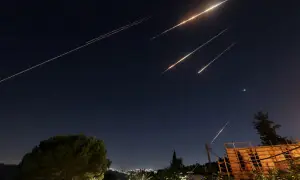
Iran claimed on Sunday that it launched a large-scale drone attack on two key US military facilities in Kuwait, as reports emerged that Tehran has upgraded its missile capabilities to better penetrate American air defence systems.
In a statement posted on Telegram, the Iranian army said it targeted the Al Adairi military camp and Ali Al Salem Air Base, describing the strikes as retaliation for repeated US attacks, civilian casualties and damage to infrastructure inside Iran.
According to the statement, Iranian forces struck a US ammunition depot at Al Adairi camp, along with Patriot radar systems and an air surveillance radar at Ali Al Salem Air Base.
Tehran described Al Adairi as a major US logistics and support hub located about 100 kilometres from Iran’s border, while Ali Al Salem was identified as a key gateway for American military air operations in the region.
The claims could not be independently verified, and there was no immediate response from US or Kuwaiti authorities.
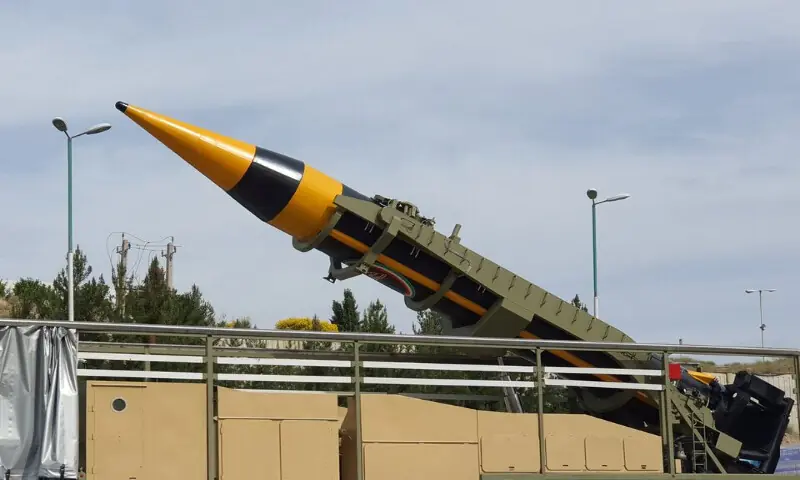
Meanwhile, The Wall Street Journal, citing US officials, reported that Iran has adapted its missile arsenal to overcome American air defence systems by deploying faster missiles capable of manoeuvring during their terminal descent, making them significantly more difficult to intercept.
The report said Iran has restored more than half of its pre-war missile inventory through an extensive network of underground “missile city” facilities, enabling it to replenish stockpiles quickly and sustain attacks against US and allied targets.
US officials cited the recent attack on Muwaffaq Salti Air Base in Jordan, which killed two American service members and wounded several others, as evidence of Iran’s evolving missile capabilities.
The base is protected by the Terminal High Altitude Area Defence (THAAD) system, which has previously intercepted Iranian missile threats in the region.
According to the report, some US officials also suspect Iran may be receiving foreign assistance to improve its missile operations, including possible targeting support from China or Russia, although no evidence has been publicly presented.
For the latest news, follow us on Twitter @Aaj_Urdu. We are also on Facebook, Instagram and YouTube.













Comments are closed on this story.