


Iran says progress made in US talks but Lebanon ceasefire is key test
3 min read

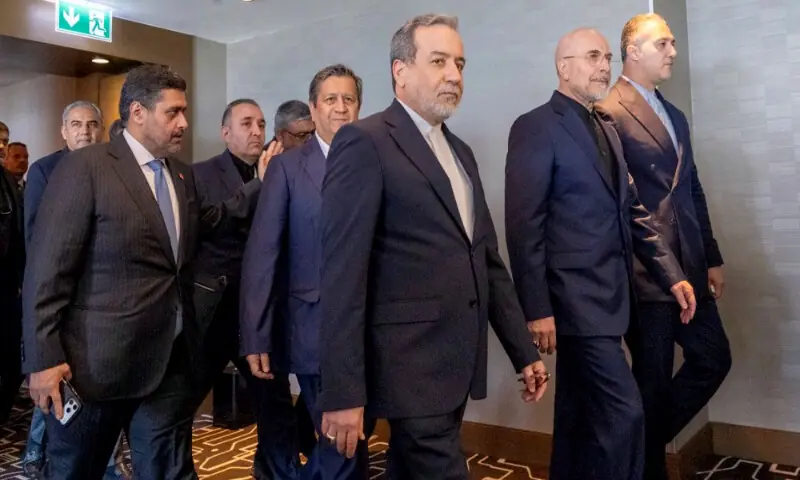
Iranian Foreign Minister Abbas Araghchi has said that major progress has been made in the talks aimed at ending the US-Iran conflict, but warned that implementation of a Lebanon ceasefire remains the key test of the process.
In a post on X early Monday, Araghchi praised mediators Pakistan and Qatar for their “tireless” efforts and said the emerging framework included sanctions relief, partial release of frozen assets, and a broader reconstruction plan for Iran.
He said the success of a planned “Lebanon de-confliction cell” would be the first real test of the agreement.
His comments came as the first round of high-level technical talks between Iran and the United States concluded in Switzerland, where discussions were partially disrupted after Iranian officials objected to threatening remarks from President Donald Trump.
Iranian delegation spokesperson Esmail Baghaei said the quadrilateral format of the talks was suspended following President Donald Trump’s statements, but that technical-level work would continue.
He said Iran would not proceed under conditions it considered hostile, adding that the discussions had been focused on monitoring implementation of commitments under a June 18 memorandum of understanding mediated by Pakistan.
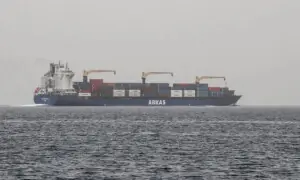
According to Baghaei, progress was made on issues including potential authorisations for Iranian oil exports, the release of frozen assets, and arrangements for safe maritime passage through the Strait of Hormuz.
He reiterated that Iran expects a full cessation of hostilities across all fronts — including Lebanon —before entering the next phase of negotiations, stressing Tehran’s distrust based on previous diplomatic experiences.
Mediators report progress
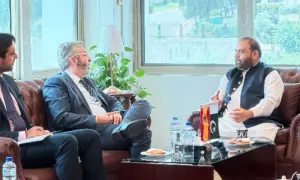
Pakistan and Qatar, who are jointly mediating the talks, said in a statement that the “Lake Lucerne Summit” had taken place in a “positive and constructive atmosphere” at the Bürgenstock resort, despite the suspension of some meetings.
They confirmed agreement on a roadmap toward a final deal within 60 days, including the creation of a high-level committee to oversee negotiations on nuclear issues, sanctions relief, and dispute resolution mechanisms.
The mediators also said a communication channel would be established to ensure safe maritime passage through the Strait of Hormuz, along with a separate “de-confliction cell” intended to reduce violence in Lebanon.
Tensions over Lebanon and Hormuz
The talks remain overshadowed by ongoing Israeli military strikes in Lebanon and competing claims over maritime security in the Gulf.
Iran has linked further progress to a halt in Israeli military operations in southern Lebanon, where Israeli strikes, including attacks near Beirut’s southern suburbs, have further strained the fragile truce environment.
Iranian officials have also accused Washington of failing to uphold earlier commitments under the framework agreement, while reaffirming that Iran would not abandon its sovereign rights over nuclear enrichment and regional security conditions.
Threats complicate diplomacy
The diplomatic process was complicated by remarks from US President Donald Trump, who warned Iran against escalating tensions and suggested military strikes.
In a Fox News interview, he threatened that if Tehran placed restrictions on the strait, “You won’t have a country”.
He also suggested the US might take control of the waterway and impose its own tolls.
Iranian negotiators rejected the comments as counterproductive.
Parliament Speaker Mohammad Bagher Qalibaf, who leads Iran’s delegation, said Tehran remained committed to action rather than rhetoric, while warning Washington against escalating threats.
“Don’t they think that if their threats had any effect, they wouldn’t be in this desperate situation today? No matter how much they talk, it is we who take action,” he said.
Qalibaf also warned US officials to “be careful” with their statements and said Iran’s armed forces were ready to respond.
Despite the tensions, mediators say technical negotiations will continue this week as part of a compressed 60-day effort to reach a broader agreement covering the nuclear programme, sanctions relief, maritime security, and regional de-escalation.
For the latest news, follow us on Twitter @Aaj_Urdu. We are also on Facebook, Instagram and YouTube.










Comments are closed on this story.