


Naqvi, JI chief discuss regional peace after US-Iran understanding
2 min read


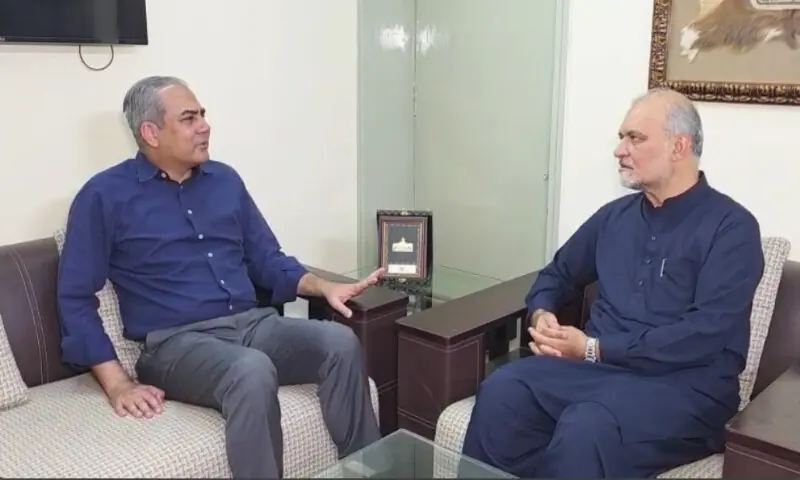
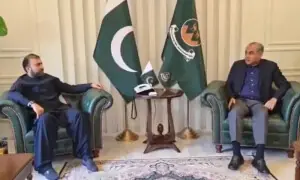
Interior Minister Mohsin Naqvi visited Jamaat-e-Islami’s headquarters, Mansoorah, on Tuesday, and discussed with Jamaat-e-Islami chief Hafiz Naeem-ur-Rehman the country’s political, economic and security situation, as well as recent developments following the Iran-US reconciliation.
The meeting featured a detailed exchange of views on Pakistan’s overall political and economic landscape, law and order challenges, and efforts aimed at providing relief to the public.
Both leaders also reviewed the changing regional dynamics after the recent understanding reached between Iran and the United States.
During the discussion, both leaders welcomed the Iran-US reconciliation, describing it as a positive development for regional peace and stability.
Hafiz Naeem-ur-Rehman commended Pakistan’s sincere diplomatic role in facilitating the rapprochement and said the country’s historic contribution to the process would be remembered for years to come.
“The path toward lasting peace across the region has now been paved,” Hafiz Naeem remarked, expressing hope that the agreement would help reduce tensions and create an environment conducive to stability and development.
Interior Minister Mohsin Naqvi briefed the Jamaat-e-Islami chief on the Iran-US negotiations and the government’s diplomatic efforts that contributed to the process.
He credited Pakistan’s leadership for helping bring the two sides closer, saying the country deserved recognition for easing tensions in the region.
“Prime Minister Shehbaz Sharif and Field Marshal Asim Munir played an unforgettable role in advancing peace,” Naqvi said.
“The credit for helping reduce regional tensions goes to Pakistan. We bow in gratitude to Almighty Allah for accepting our humble efforts.”
The meeting also addressed humanitarian concerns involving Pakistani citizens stranded in Somalia.
Hafiz Naeem urged the government to take immediate and effective diplomatic steps to ensure the safe and prompt return of the affected Pakistanis.
He called for proactive engagement to secure their welfare and repatriation.
In addition, the two leaders held extensive discussions on measures to strengthen the national economy and provide greater relief to citizens facing economic challenges.
They emphasised the need for continued efforts to improve living conditions and promote national stability through economic progress.
The meeting reflected a broad consensus on the importance of regional peace, economic recovery and proactive diplomacy, while highlighting Pakistan’s growing role in efforts aimed at fostering dialogue and stability beyond its borders.




Comments are closed on this story.