


Iran floats new plan to reopen Hormuz, end war: Report
2 min read

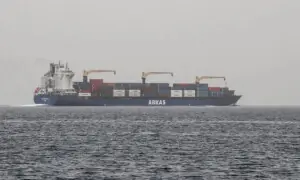

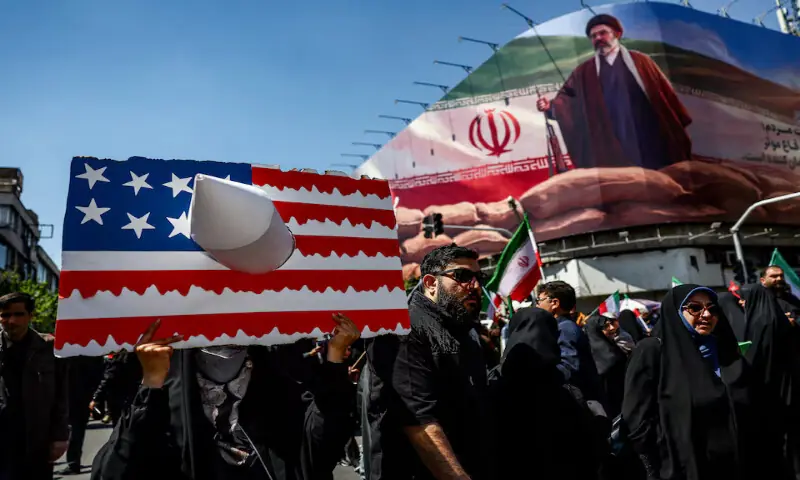
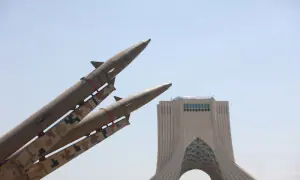
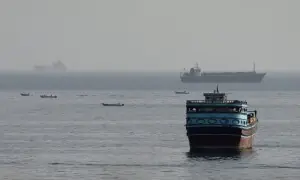
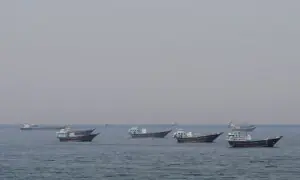
Iran has floated a fresh proposal to reopen the vital Strait of Hormuz, as parallel talks in Oman highlight a renewed regional effort to keep shipping lanes safe and stable.
A report by Axios, citing a US official and other informed sources, says Tehran passed its new terms to Washington through Pakistani mediators.
The proposal reportedly links the reopening of the waterway and a potential end to ongoing hostilities with a phased diplomatic approach, in which nuclear negotiations would be deferred to a later stage.
The report suggests that such an arrangement could complicate Washington’s broader strategic goals.
It notes that accepting Iran’s terms might leave President Donald Trump with diminished leverage to push Tehran toward curbing its stockpile of enriched uranium or committing to a long-term suspension of uranium enrichment.
At the same time, Iranian and Omani officials have been actively engaging in high-level talks focused on regional cooperation and maritime security.
Iran’s Foreign Minister Abbas Araghchi praised Oman’s role as a diplomatic partner following discussions in Muscat, emphasising Tehran’s commitment to ensuring safe navigation through the Strait.
In a statement shared on social media, Araghchi highlighted “important discussions on bilateral matters and regional developments,” adding that as littoral states, Iran and Oman are focused on facilitating secure transit that benefits both neighbouring countries and the global community.
Echoing a similar stance, Badr Albusaidi described the discussions as constructive and stressed that countries in the region share a collective responsibility to keep key shipping routes open and secure.
Taken together, Iran’s indirect messaging to Washington and its direct engagement with regional partners suggest a broader push to place Gulf countries at the heart of efforts to ease tensions along one of the world’s most crucial energy routes.
For the latest news, follow us on Twitter @Aaj_Urdu. We are also on Facebook, Instagram and YouTube.




Comments are closed on this story.