


US-Iran talks in Islamabad may head to third round
3 min read


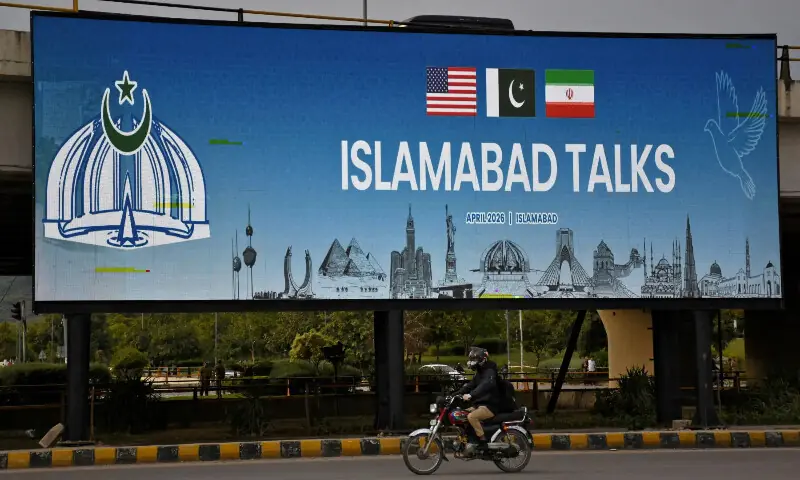
Direct negotiations between the United States and Iran continued late into Saturday in Islamabad after more than five hours of talks, with a third round expected as both sides attempt to find common ground under Pakistan’s mediation, Iranian state television reported.
The high-level discussions, taking place at the Serena Hotel, mark a rare face-to-face engagement between the two countries after years of indirect diplomacy conducted through intermediaries.
Iranian state television reported that two rounds of talks have already taken place, with a third round likely “tonight or tomorrow.”
“According to information provided to the state TV correspondent by a person close to the negotiating team, another round of negotiations will likely be held tonight or tomorrow,” state broadcaster IRIB said.
An Iranian state TV correspondent added that there were “plans for a third round of talks,” noting, “We are waiting to see whether this (the third round) will happen or not,” according to AFP.
Earlier, Iran’s semi-official Tasnim news agency said the first phase of the talks had concluded, with both sides exchanging written drafts outlining their positions and possible areas of agreement. Technical teams are now formalising key points after hours of deliberations.
A senior White House official confirmed that high-level, in-person trilateral talks involving the United States, Iran and host Pakistan were “ongoing” late Saturday, adding in a brief statement that discussions were continuing.
Reuters reported that an earlier key meeting brought together US Vice President JD Vance, Special Envoy Steve Witkoff and Jared Kushner with Iran’s Parliament Speaker Mohammad Baqer Qalibaf and Foreign Minister Abbas Araghchi.
Pakistan’s Chief of Defence Forces, Field Marshal Syed Asim Munir, was also present.
Sources described fluctuating dynamics during the meeting, with the tone shifting between tense and relatively flexible. The initial session lasted around two hours before a break.
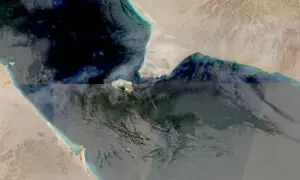
One of the most contentious issues remains the Strait of Hormuz, described by Tasnim as a point of “serious disagreement” among negotiators. The strategic waterway carries a significant share of global crude oil and liquefied natural gas shipments in peacetime.
The Islamabad talks are being described as the most significant diplomatic engagement between Washington and Tehran since Iran’s 1979 Islamic Revolution.
A previous breakthrough came in 2015 under former US President Barack Obama, when a nuclear deal was reached, later abandoned in 2018 by President Donald Trump.
Following the collapse of that agreement, Iran’s Supreme Leader Ayatollah Ali Khamenei banned direct talks with the United States, sharply limiting diplomatic engagement for years.
Prior to the current dialogue, multiple rounds of indirect talks were held under Oman’s mediation, including sessions in Muscat in April 2025 and Geneva in February 2026.
Those efforts collapsed on February 28, triggering joint US-Israeli strikes on Iran and a 40-day regional conflict.
Iran responded by closing the Strait of Hormuz and targeting US installations and Israel, escalating tensions across the Middle East.
Pakistan later facilitated a two-week ceasefire and brought both sides to Islamabad for direct negotiations aimed at securing a lasting settlement.
Media access remains restricted due to the sensitivity of the talks. Journalists and foreign delegates are stationed at the Jinnah Convention Centre, while Pakistan’s Ministry of Information is providing periodic updates.
The expected third round is likely to be critical in determining whether the talks can move towards a durable peace agreement.
For the latest news, follow us on Twitter @Aaj_Urdu. We are also on Facebook, Instagram and YouTube.




Comments are closed on this story.