


Earth’s collision zone: why the Strait of Hormuz matters to the world
3 min read



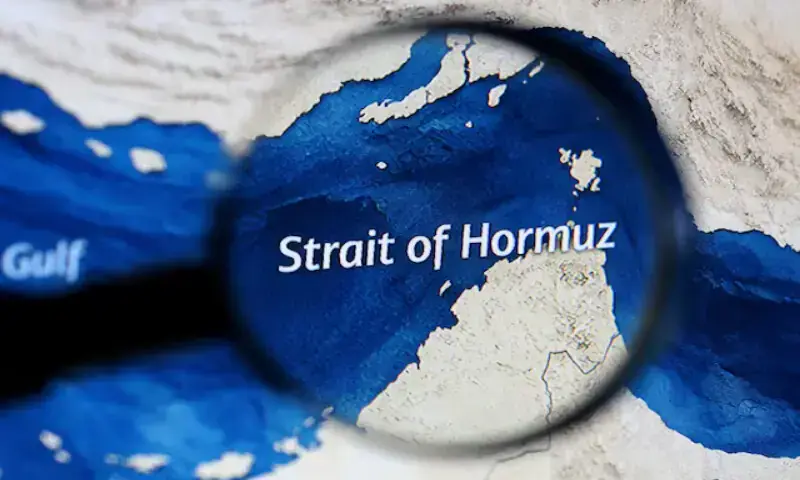
The Strait of Hormuz is not only one of the world’s most critical oil routes but also a remarkable geological wonder shaped over millions of years, according to a report by National Geographic.
This narrow passage, about 30 miles wide, connects the Persian Gulf to the Gulf of Oman and carries nearly a quarter of global seaborne oil trade. Its strategic importance makes it a key maritime chokepoint, where any disruption can have immediate global economic consequences.
A landscape shaped by colliding continents
The report by National Geographic highlights that the region’s unique geography is the result of a long-running collision between the Arabian and Eurasian tectonic plates. This process, which began around 35 million years ago, continues to shape the region even today.
The collision created the towering Zagros Mountains in southern Iran and formed a depression in the Earth’s crust that eventually filled with water, giving rise to the Persian Gulf and the Strait of Hormuz.
A dramatic and rare geological setting
On the southern side lies the Musandam Peninsula, known for its steep cliffs and rugged coastline. As noted by National Geographic, this area is one of the few places in the world where rare oceanic rocks, known as ophiolites, are clearly exposed on land.
To the north, the Zagros Mountains feature layered rock formations shaped by immense tectonic pressure. The region also includes unusual features such as salt domes and “salt glaciers,” where mineral salt slowly flows across the land.
Rising seas and a changing landscape
National Geographic explains that rising sea levels also played a major role in shaping the modern strait. Around 20,000 years ago, during the last Ice Age, the Persian Gulf was much shallower. As glaciers melted, sea levels rose significantly, flooding the region and forming today’s waterways.
Rich in oil and of global importance
The same geological forces that created the region also led to vast oil and gas reserves. Over millions of years, organic material was buried and trapped beneath rock layers during the continental collision.
Today, these reserves make the surrounding region one of the most energy-rich areas in the world — further increasing the importance of the Strait of Hormuz.
A narrow but critical passage
Despite its relatively small size, the strait plays an outsized role in global trade. Its narrowest point is constrained by the Musandam Peninsula, making it both strategically vital and vulnerable.
As highlighted in the National Geographic report, tectonic activity in the region is still ongoing. While the strait may eventually close due to these geological forces, scientists say this would take millions of years.
For now, the Strait of Hormuz remains a powerful example of how Earth’s deep geological processes continue to influence both natural landscapes and the global economy.
For the latest news, follow us on Twitter @Aaj_Urdu. We are also on Facebook, Instagram and YouTube.











Comments are closed on this story.