


Trump threatens strikes on Iran’s lifeline amid escalating conflict
3 min read
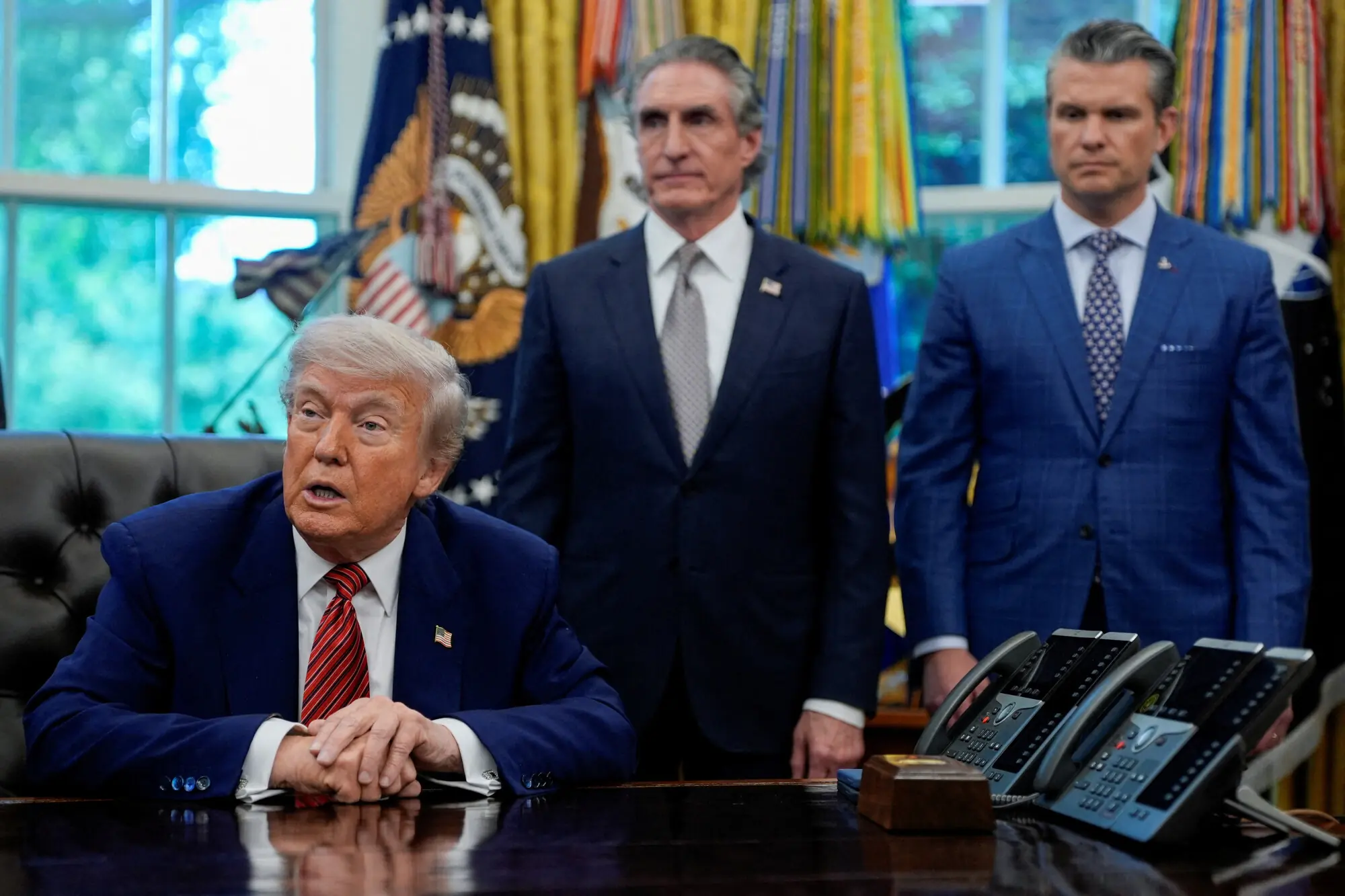
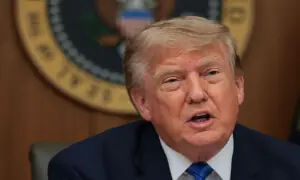
US President Donald Trump has issued a stark warning that the United States could strike Iranian water infrastructure as part of its military campaign — an escalation that raises questions about adherence to international humanitarian law.
Trump’s Monday threat comes as the Iran war enters its second month, with US forces primarily focused thus far on military and nuclear targets.
Trump said the United States could “completely (obliterate)” Iran’s power plants, oil wells, and “possibly all desalination plants” if a deal to end the conflict is not reached.
White House press secretary Karoline Leavitt defended the statement, saying the administration “will always act in the confines of the law,” while stressing that Trump intends to achieve the objectives of Operation Epic Fury “unabated”.
A senior US official told Axios that the potential strikes were meant to pressure Tehran into negotiations, though Trump has not made any final decisions.
Legal fallout
International humanitarian law explicitly prohibits attacks on objects essential to civilian survival, including drinking water facilities, legal experts say.
While targeting power plants can sometimes be justified in a military context, hitting desalination plants could directly threaten civilians’ access to water — a form of collective punishment that the Geneva Conventions explicitly forbid.
US President Donald Trump has framed potential attacks on Iranian infrastructure as “retribution for our many soldiers” killed by Iran over the past 47 years, a move that raises legal and ethical concerns, observers note.
Pattern of escalation
The threat to civilian infrastructure fits a broader pattern of actions and statements by Trump and Defence Secretary Pete Hegseth that legal experts say challenge conventional norms of warfare.
The administration has previously authorised targeted killings of political leaders, rejected responsibility for a deadly strike on an Iranian elementary school, and used rhetoric such as “no quarter, no mercy for our enemies,” which the Pentagon’s own Law of War Manual identifies as a war crime.
Hegseth has also reshaped the Pentagon’s legal oversight, firing top military lawyers and dissolving the civilian harm mitigation programme, which aimed to prevent civilian casualties across military operations.
Recent incidents
The first day of the Iran conflict saw a US air strike in a school in Minab, southern Iran, that killed over 165 people, mostly schoolchildren.
Trump initially denied responsibility, though preliminary Pentagon investigations attributed the strike to US forces.
Legal observers say the administration’s approach demonstrates a consistent “might makes right” doctrine, seen not only in Iran but in other operations, such as strikes on alleged drug-trafficking boats in the Western Hemisphere.
Context
Trump’s warnings echo his long-standing scepticism of the Geneva Conventions and international war crimes law.
During his 2016 campaign, he criticised soldiers for being “afraid to fight” under existing rules and promised a return of harsh interrogation tactics.
The administration also sanctioned International Criminal Court officials investigating US and Israeli personnel last year.
With Iran heavily reliant on desalinated water, targeting such infrastructure would have severe humanitarian consequences, further intensifying global scrutiny of the US conduct in the conflict.
For the latest news, follow us on Twitter @Aaj_Urdu. We are also on Facebook, Instagram and YouTube.




Comments are closed on this story.