


Iran toughens negotiating stance amid mediation efforts, say sources
2 min read
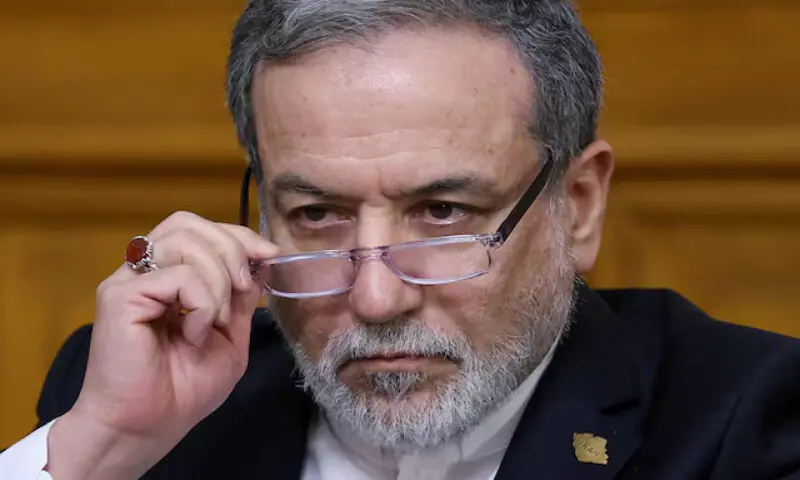
Iran’s negotiating posture has hardened sharply since the war began, and it will demand significant concessions from the United States if mediation efforts lead to serious negotiations, three senior sources in Tehran said.
In any talks with the US, Iran would not only demand an end to the war but concessions that are likely red lines for US President Donald Trump — guarantees against future military action, compensation for wartime losses and formal control of the Strait of Hormuz, the sources said.
Iran would also refuse to negotiate any limitations to its ballistic missile programme, they said, an issue that had been a red line for Tehran during the talks that were taking place when the US and Israel launched their attack last month.
Trump said on Monday that Washington had already had “very, very strong talks” with Tehran more than three weeks into the war, but Iran has publicly denied this.
Israel doubts agreement is possible
Three senior Israeli officials also said on Tuesday that, although Trump seemed determined to reach a deal, they viewed it as unlikely that Tehran would agree to US demands, which they believed would include an end to Iran’s ballistic missile and nuclear programmes.
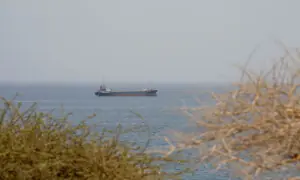
Iran’s use of ballistic missiles and its ability to effectively close the Strait of Hormuz, through which about a fifth of the world’s oil and liquefied natural gas usually flows, have been its most effective responses to the US-Israeli strikes.
It could not agree to give these up without leaving itself defenceless against further attacks, analysts say.
Iranian strategists may also be unwilling to trust agreements with the US and Israel after coming under attack following an earlier deal last year, despite being involved in talks that were then current.
They have also watched Israel continuing to strike Lebanon and Gaza after the ceasefires there.
Inside Iran, domestic concerns are also constraining Tehran’s manoeuvring room in negotiations, the senior Iranian sources said.
These concerns included the greater clout of the Revolutionary Guards, uncertainty at the top of the system, with the new Supreme Leader, Mojtaba Khamenei, having not yet appeared in photographs or video since his appointment, and a public narrative of resilience in the war.
For the latest news, follow us on Twitter @Aaj_Urdu. We are also on Facebook, Instagram and YouTube.
Comments are closed on this story.