


Slow rescue efforts blamed for high death toll in Gul Plaza fire
2 min read

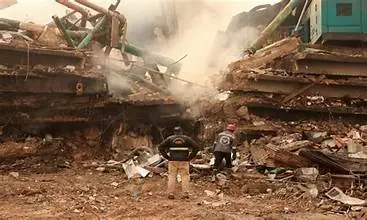
Tanveer Pasta, president of the Gul Plaza Traders Association, submitted his response to the judicial commission investigating the Gul Plaza tragedy, attributing many of the deaths to slow rescue operations.
In his submission, Pasta detailed that the first fire brigade vehicle arrived at 10:55pm, but within 20 minutes, its water supply was exhausted.
Two additional tenders reached the site by 11:30pm, by which time the fire had spread across the ground floor.
Rescue personnel lacked proper equipment, masks, and safety gear, making early attempts to enter the building and evacuate trapped individuals ineffective.
Firefighters also did not have foam or chemical agents, and market management had to arrange private water tankers until the Water Corporation provided tanks after dawn.
He noted that initial rescue efforts were extremely slow, and effective operations only began after sunrise, by which point the fire had intensified.
Some trapped individuals were rescued through self-help efforts guided by location information.
Due to inadequate rescue facilities, many people could not be rescued. Pasta emphasised that with proper safety equipment, additional lives could have been rescued.
Electricity outages prevented formal announcements, and market administration and shopkeepers guided people out using loud calls.
Over 3,500 people were present in Gul Plaza at the time, and while most were evacuated through 16 open exits, 72 people died, 51 of whom were market workers.
The commission also noted that a shutter on the second floor was found closed, likely affected by the fire’s heat, though it had no lock.
The building contained artificial flowers, toys, garments, sprays, and other flammable materials.
The roof housed seven diesel generators, five of which were operational.
For the latest news, follow us on Twitter @Aaj_Urdu. We are also on Facebook, Instagram and YouTube.












Comments are closed on this story.