


Trump team misjudged Iran response, CNN report claims
3 min read
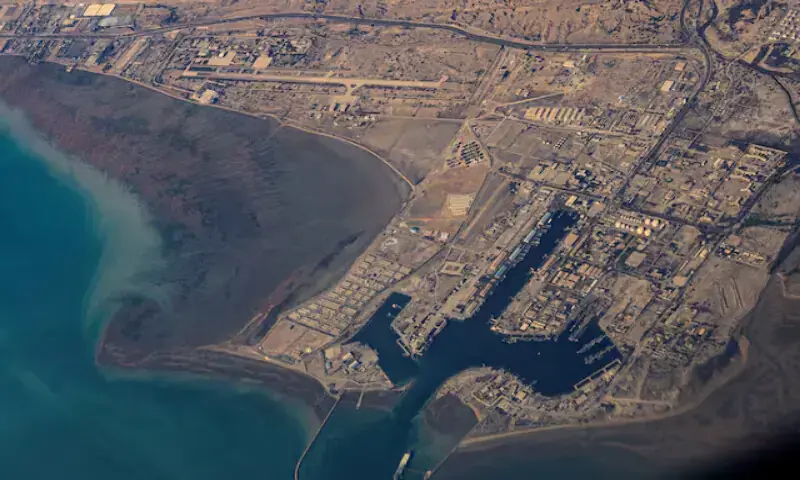
A report by CNN claims that the administration of Donald Trump miscalculated Iran’s potential response while planning military strikes, particularly underestimating the possibility that Iran could shut the Strait of Hormuz.
According to the investigative report, senior officials in Washington did not fully anticipate the scale of Tehran’s retaliation, a misjudgment that is now contributing to mounting economic and energy concerns.
The report says information obtained by U.S. media indicates that both the United States Department of Defence and the United States National Security Council failed to accurately assess how forcefully Iran might respond to military action.
Sources cited in the report said the Trump administration’s national security team largely overlooked the worst-case scenario that Iran could close the Strait of Hormuz in retaliation against U.S. and Israeli strikes.
The waterway is one of the world’s most critical energy chokepoints, through which a significant portion of global oil and liquefied natural gas shipments pass. Any disruption there can severely impact international energy supply and prices.
Decisions shaped by a small circle
The report also claims that President Trump relied heavily on a small group of close advisers rather than broader expert assessments when making key decisions related to the strikes on Iran.
Officials from economic agencies, including U.S. Treasury Secretary Scott Bessent and Energy Secretary Chris Wright, attended planning meetings before the attacks. However, the administration reportedly did not fully incorporate economic forecasts and analyses from relevant government institutions.
As a result, institutional debate over the economic consequences of a potential Hormuz closure remained limited.
Shipping risks and military concerns
U.S. officials say measures to reduce the economic fallout from the crisis could take several weeks. One option under consideration includes providing U.S. naval security to help oil tankers safely transit the Strait of Hormuz.
However, according to the Pentagon, such an operation is currently considered extremely risky due to escalating military threats in the region.
Iran’s new supreme leader, Mojtaba Khamenei recently said in his first public remarks that the Strait of Hormuz could be used as an effective pressure tool and indicated that it would remain closed for now.
Shipping industry representatives have repeatedly requested military protection for oil tankers, but sources say those requests have been declined because the U.S. military has not yet received formal orders to begin escort operations.
American military officials warn that vessels transiting the narrow waterway face multiple threats, including Iranian drones, missile strikes and naval mines.
Global concern over energy supply
Diplomatic circles, energy experts and shipping industry leaders have expressed growing concern about the potential impact on global energy markets.
Energy companies are pushing for a quick end to the conflict to protect tankers and crews operating in the region. U.S. military officials have reportedly been holding daily briefings with representatives from major energy firms in recent days.
Meanwhile, the Trump administration is considering several measures to ease the emerging energy crunch. Treasury Secretary Scott Bessent has announced a temporary easing of sanctions on Russian oil stranded at sea.
The White House is also reviewing a temporary relaxation of the Jones Act, a century-old shipping law, to facilitate the movement of energy products.
Experts say these steps may provide limited short-term relief. However, uncertainty over global oil supply means upward pressure on energy prices is likely to persist in the near term.
For the latest news, follow us on Twitter @Aaj_Urdu. We are also on Facebook, Instagram and YouTube.











Comments are closed on this story.