


Gulf conflict could push oil to $150 a barrel, Qatar energy minister warns
2 min read


Qatar’s energy minister has warned that the escalating conflict in the Middle East could trigger a major global energy crisis, with oil prices potentially surging to $150 per barrel if supply routes remain disrupted.
Saad Sherida Al-Kaabi, who also heads QatarEnergy, told the Financial Times that the ongoing conflict threatens global energy supply and shipping routes critical to the world economy.
He warned that if oil and gas exporters across the Gulf halt production for even a few days, the global energy market could face severe disruption.
“If tankers and other merchant vessels cannot pass through the Strait of Hormuz, oil prices could reach $150 a barrel within two to three weeks,” Al-Kaabi said.
Benchmark Brent crude has already climbed to $89.17 per barrel, up 4.4% from the previous session.
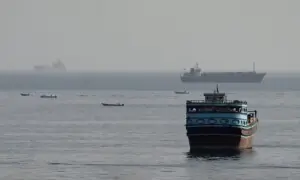
Roughly one-fifth of the world’s oil supply passes daily through the Strait of Hormuz, a vital shipping corridor linking Gulf producers to global markets. The ongoing conflict between the United States, Israel and Iran has severely disrupted maritime traffic in the area.
Around 3,000 vessels normally pass through the route each month, but the current crisis has already affected about 200 oil tankers, according to reports.
Although Saudi Arabia and the United Arab Emirates have pipelines that allow some exports to bypass the strait, analysts say prolonged instability could push both energy prices and shipping costs sharply higher.
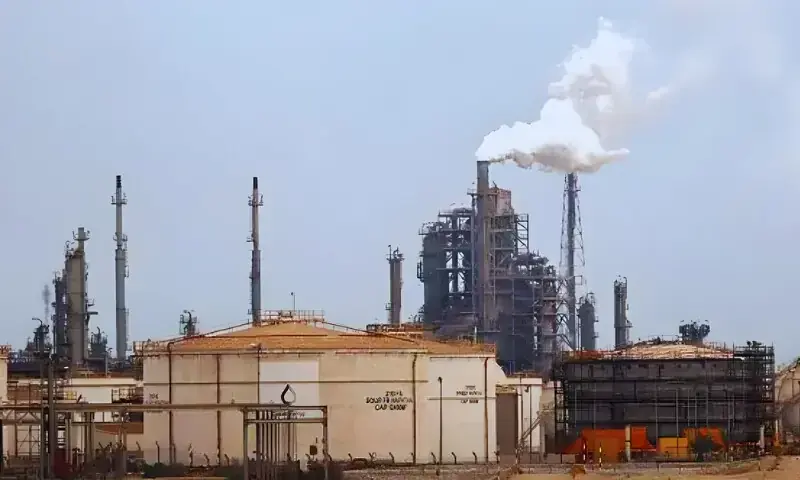
Al-Kaabi also revealed that Qatar has temporarily halted liquefied natural gas (LNG) production, with QatarEnergy declaring force majeure, a legal clause allowing companies to suspend contractual obligations due to extraordinary circumstances.
He warned that if the war continues for weeks, other energy exporters could also suspend production, triggering higher prices, supply shortages and a slowdown in global manufacturing and economic growth.
Investors in global markets have already turned cautious as energy prices climb and volatility increases amid fears of prolonged disruption in Middle Eastern supply routes.
For the latest news, follow us on Twitter @Aaj_Urdu. We are also on Facebook, Instagram and YouTube.











Comments are closed on this story.