


Pakistan’s first homegrown EV to hit roads this summer under Rs1mn price, EDB chief says
2 min read

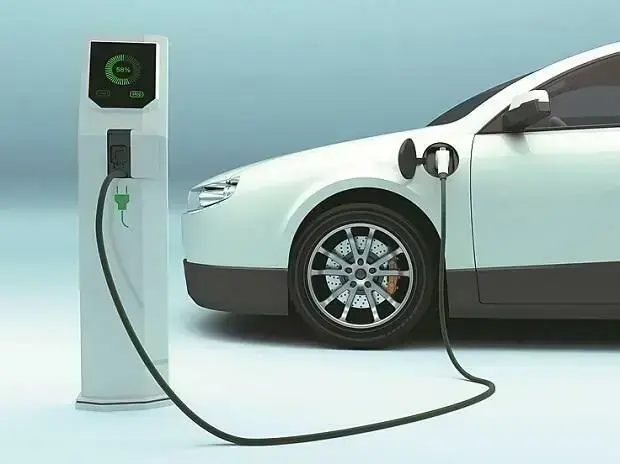
Pakistan’s first fully homegrown electric vehicle is set to hit roads by June or July this year at a price below Rs1 million, as the government plans to cut taxes on locally assembled vehicles in the upcoming federal budget.
Speaking at an Iftaar dinner hosted by Mashood Khan, Director of the Small and Medium Enterprises Development Authority (SMEDA), at a local hotel in Karachi, Hamad Ali Mansoor, CEO of the Engineering Development Board (EDB), announced that this will mark the first time in the country’s history that a domestically manufactured electric vehicle rolls off the local production lines.
He said the manufacturing plant for the ‘Made in Pakistan’ EV was established in Lahore, and the vehicle was expected to be priced below Rs1 million — an effort to help two-wheeler owners transition to four-wheelers.
The vehicle would offer a range of up to 180 kilometres on a single charge, making it a practical option for everyday commuters, the EDB chief said.
Hamad revealed the government plans to cut taxes on locally-assembled vehicles in the upcoming federal budget for the financial year 2026-27, a move aimed at making cars more affordable for the general public and boosting the local auto industry.
He further said the longstanding monopoly of large automobile companies in Pakistan was effectively coming to an end, adding that two to three more companies had already expressed interest in manufacturing EVs in the country.
Under the upcoming Auto Policy, Prime Minister Shehbaz Sharif has decided to extend full support to the local auto sector, signalling a decisive shift toward industrial self-reliance, according to the EDB chief.
“Plans are also in place to export ‘Made in Pakistan’ vehicles to international markets, for which Rs100 billion in export incentives has been allocated”, Mansoor said, adding the prime minister had also outlined a subsidy plan to make e-bikes and e-rickshaws more affordable across the country.
Meanwhile, Mashood Khan was of the view that Pakistan’s economic future hinges on the success of its Small and Medium Enterprises (SMEs), driven by young and innovative entrepreneurs.
SMEs currently employ nearly 25 million people and contribute approximately Rs2.8 billion in exports, making them a dynamic economic force for the country.
“With policy consistency, access to finance, and export facilitation, Pakistan’s SMEs can transform into global competitors, driving jobs, growth, and long-term economic stability,” he said.
For the latest news, follow us on Twitter @Aaj_Urdu. We are also on Facebook, Instagram and YouTube.





Comments are closed on this story.