


Corruption still a major public concern in Pakistan, finds new survey
2 min read
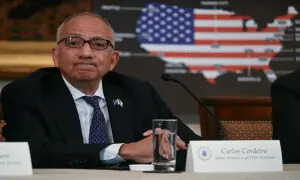


Transparency International has released its National Corruption Perception Survey (NCPS) 2025, showing that corruption remains a major issue for citizens across Pakistan, directly affecting trust in government performance and state institutions.
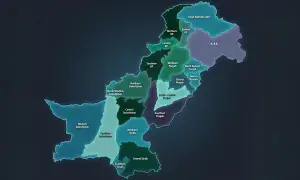
The survey was conducted from 22 to 29 September 2025 across 20 districts in all four provinces, with 4,000 respondents, 55% men, 43% women and 2% transgender persons. Around 59% participants were from urban areas and 41% from rural areas.
It marks a significant expansion from the NCPS 2023, which covered 16 districts with 1,600 respondents.
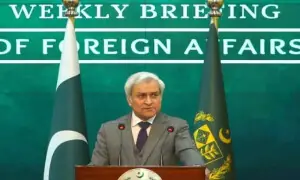
TI Pakistan Chairman Justice (R) Zia Pervez said the survey records citizens’ perceptions and experiences rather than measuring actual corruption levels, adding that such feedback guides future reforms.
According to the report, the 2025 exercise is more comprehensive and representative, ensuring wider inclusion of women, rural populations and persons with disabilities.
Sixty-six per cent of citizens said they were not forced to give bribes for any public service over the past year, indicating that bribery is not a universal daily issue for all Pakistanis.
Nearly 60% respondents fully or partially agreed that the government contributed to stabilising the economy through the IMF programme and by exiting the FATF grey list.
Institutional perception showed improvement, with police seeing a 6% positive shift, attributed to behavioural changes and better service delivery under reforms.
Public perception of education, land and property, local government and taxation also improved.
Respondents emphasised stronger accountability, reduced discretionary powers of officials and more effective right-to-information laws.
A majority also demanded restructuring of oversight bodies, with 78% saying institutions like NAB and FIA should be more transparent and accountable.
In the health sector, citizens called for strict control over medicine commissions, clearer rules for private medical practice and stronger regulatory bodies and complaint systems.
Eighty-three per cent of participants supported a complete ban or strict regulation on business funding for political parties, while 55% endorsed removing politicians’ names and photos from government advertisements.
Forty-two per cent backed stronger whistleblower protection laws, and 70% said they were unaware of any official corruption-reporting mechanism.
For the latest news, follow us on Twitter @Aaj_Urdu. We are also on Facebook, Instagram and YouTube.








Comments are closed on this story.