


A bold shift in fuel pricing
7 min read




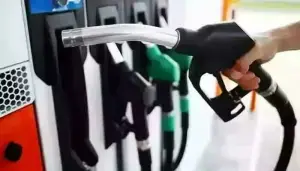
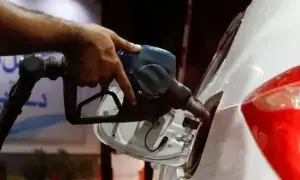
The Government of Pakistan’s decision to introduce a daily petrol pricing system, replacing the longstanding fortnightly review mechanism, represents one of the most significant reforms in the petroleum sector in recent years.
The move is intended to bring local fuel prices closer to international market trends and improve transparency in the pricing process. As petrol plays a major role in transport, agriculture, industry and almost every aspect of economic activity, any change in the way its price is determined has far-reaching consequences for businesses and ordinary citizens alike.
Until now, petrol prices in Pakistan have been revised every 15 days. The government has traditionally calculated new prices after considering international crude oil prices, the exchange rate between the Pakistani rupee and the US dollar, freight costs, inland transportation charges, dealer commissions, oil marketing company margins and taxes, including the Petroleum Development Levy.
Once announced, the new prices remain unchanged for the next fortnight, even if global oil prices rise or fall sharply during that period. This system provides short-term stability for the consumers and businesses but also means that local fuel prices do not always reflect actual import costs.
Under the proposed daily pricing system, petrol prices would be reviewed and adjusted every day in line with the changes in the international oil markets and currency movements. The government believes this mechanism will make the petroleum market more efficient by ensuring that retail prices remain closely linked to actual import costs rather than prices determined two weeks earlier.
However, the proposal has already attracted strong opposition from Pakistan’s oil marketing companies (OMCs), which have reportedly warned of a nationwide strike if the daily pricing mechanism is introduced without addressing their concerns.
Industry representatives argue that revising petrol prices every day would increase operational and administrative costs by requiring continuous updates to billing systems, fuel station displays and inventory records. They also believe that frequent price changes could create confusion for the dealers and consumers, particularly in areas where digital systems are less developed.
The OMCs have urged the government to hold detailed consultations with the industry stakeholders before implementing the reform, warning that a hurried transition could disrupt fuel supplies and affect the smooth functioning of the petroleum market. Their concerns underline that, despite the potential benefits of daily pricing, significant practical challenges remain.
The proposal comes at a time when Pakistan is pursuing broader economic reforms aimed at improving fiscal discipline and strengthening investors’ confidence. International oil prices remained volatile because of geopolitical tensions, production decisions by the Organisation of the Petroleum Exporting Countries and its allies (OPEC+), supply disruptions and changing global demand.
At the same time, fluctuations in the value of the Pakistani rupee continue to affect the petroleum import bill. Many economists believe that a pricing mechanism which responds immediately to these developments is more consistent with market principles.
One of the strongest arguments in favour of daily pricing is that it reflects market realities more accurately. International crude oil prices can change sharply within a single day because of conflicts, production cuts, natural disasters or shifts in the global demand. Exchange rates also fluctuate regularly. By updating petrol prices every day, Pakistan would reduce the gap between actual import costs and retail prices, ensuring that the consumers pay prices which more accurately reflect market conditions.
Supporters also argue that the new system would improve transparency. If petrol prices are determined according to a clear and publicly available formula, the consumers are more likely to understand why prices increase or decrease. Instead of believing that fuel prices are driven mainly by political decisions, people would see that changes are linked to international oil prices, exchange rates and government taxes. Greater transparency could strengthen public confidence, provided the government regularly publishes the components used in the pricing formula.
Another advantage is that the consumers could benefit more quickly when international oil prices decline. Under the current fortnightly mechanism, global prices may fall significantly but motorists often have to wait until the next official review before receiving any relief. Daily pricing would allow reductions to be passed on almost immediately, making the system more responsive and fairer.
The oil marketing companies and fuel retailers could also benefit if their operational concerns are addressed. Under the existing system, companies sometimes suffer financial losses when international prices rise sharply before the next official revision. Likewise, they may receive temporary gains when the global prices fall.
Daily adjustments would reduce these sudden changes by keeping retail prices closer to actual procurement costs. A more predictable pricing structure could encourage greater investment in fuel storage, transport and distribution infrastructure.
From the government’s perspective, automatic daily pricing could improve fiscal management. Petrol prices have often become politically sensitive, with governments facing pressure to delay increases because they are unpopular with the public. Such delays can reduce tax revenue or increase the need for subsidies, placing additional pressure on public finances. A transparent, formula-based system would reduce political interference and make fuel pricing more predictable.
Despite these advantages, the proposal raises important concerns for the consumers. Pakistan continues to experience inflation, while many households are already struggling with the rising food prices, electricity bills and transport costs.
Families that rely on motorcycles or private vehicles for work or education may find it much harder to plan their monthly budgets if petrol prices change every day. Even relatively small daily increases could create uncertainty and make financial planning more difficult.
Businesses are also likely to face challenges. Sectors such as transport, logistics, agriculture and manufacturing depend heavily on fuel and usually prepare budgets weeks or months in advance. Daily price fluctuations could make it harder to estimate operating costs accurately.
Small and medium-sized enterprises, with limited financial resources, may find it especially difficult to absorb sudden increases in fuel costs, while larger businesses are generally better placed to manage such volatility.
The impact on inflation is another concern. Petrol is a key input in transporting goods across Pakistan, meaning that higher fuel costs often increase the prices of food, medicines, clothing and other basic products. If petrol prices fluctuate daily, businesses may also adjust their prices more frequently. Although daily pricing would reflect genuine market conditions, it could also contribute to greater uncertainty in the cost of living, particularly if the international oil prices remain high for an extended period.
Public confidence will, therefore, be important to the success of the new system. Many consumers may question whether daily price changes are fair, particularly if they notice more frequent increases than decreases. To build trust, the government will need to communicate clearly how prices are calculated.
Publishing regular information on international oil prices, exchange rates, taxes, levies and other pricing components would improve transparency and reduce misunderstandings.
Technology and regulation will also be needed. Government agencies, oil marketing companies and fuel stations will require reliable digital systems capable of calculating, communicating and implementing revised prices every day without disruption. Technical failures could create confusion for the consumers and businesses alike.
At the same time, strong regulatory oversight will be necessary to ensure that the retailers comply with the official prices and do not overcharge customers.
The experiences of other countries offer useful lessons. Several countries, including India, Australia and many European nations, already operate systems where fuel prices change daily or frequently in response to market conditions.
Consumers have generally accepted these systems because pricing methods are transparent, competition among retailers is strong and regulators effectively monitor compliance. However, these countries also have advanced digital infrastructure and stronger consumer protection systems.
Pakistan can learn from these examples but must recognise that its own economic conditions and institutional capacity are different.
Given Pakistan’s current economic situation, affordability remains one of the biggest challenges. Many households continue to face pressure from inflation, rising utility bills and slow income growth. Even if daily pricing improves market efficiency and transparency, the government may still need to provide targeted support for vulnerable groups if the international oil prices remain high for a prolonged period.
A gradual introduction of the policy may, therefore, be more practical than an immediate nationwide rollout. Before implementing daily pricing across the country, the government could strengthen digital infrastructure, improve regulatory oversight and hold detailed consultations with the oil marketing companies, fuel dealers and consumer groups.
Public awareness campaigns explaining how the pricing mechanism works would also help reduce confusion and improve acceptance.
The proposed shift to daily petrol pricing offers both significant opportunities and important challenges. It promises greater transparency, closer alignment with the international market conditions, improved efficiency, reduced financial risks for oil companies and stronger fiscal discipline.
At the same time, it could increase uncertainty for the consumers, complicate business planning and contribute to more frequent changes in the cost of living.
Ultimately, the success of the reform will depend not only on the decision itself but also on how effectively it is implemented. Transparent pricing, strong regulation, reliable technology, meaningful consultation with the industry stakeholders and clear public communication will all be required.
If these conditions are met, daily petrol pricing could become an important step towards a more efficient, transparent and market-based petroleum sector, while ensuring that the interests of the consumers and the wider economy remain protected.
For the latest news, follow us on Twitter @Aaj_Urdu. We are also on Facebook, Instagram and YouTube.














Comments are closed on this story.