


Economic diplomacy and Pakistan's foreign trade
6 min read




In today’s interconnected world, no country can grow in isolation. The strength of a nation’s economy increasingly depends on how effectively it engages with the international community through trade, investment, technology, and economic cooperation. Diplomatic relations are no longer limited to political negotiations or security matters; they have become powerful tools for promoting economic interests and national development.
Countries that successfully build strong economic partnerships are better able to create jobs, attract investment, expand exports, and improve the living standards of their people.
For a developing country like Pakistan, where sustainable economic growth remains a major national priority, economic diplomacy has become one of the most important instruments of foreign policy. It provides Pakistan with opportunities to strengthen its foreign trade, diversify its economy, attract foreign investment, and establish meaningful partnerships that contribute to long-term prosperity.
As global competition continues to intensify, the country’s future economic success will depend largely on how effectively it uses diplomacy to achieve its economic objectives.
Economic diplomacy involves negotiations on trade agreements, investment treaties, market access, development cooperation, technology transfer, tourism promotion, and financial partnerships. Unlike traditional diplomacy, which mainly focuses on political and security issues, economic diplomacy places economic development at the centre of international relations.
Modern diplomats are expected not only to represent their country’s political interests but also to promote exports, attract investors, support businesses, and strengthen commercial ties with the foreign nations.
The importance of economic diplomacy has grown significantly due to globalisation. Countries are increasingly connected through international trade, financial markets, supply chains, and technological innovation. Economic cooperation has become mandatory for achieving sustainable development, improving competitiveness, reducing poverty, and maintaining political stability.
Effective economic diplomacy enables governments to secure favourable trade agreements, expand access to international markets, attract foreign direct investment, encourage tourism, and strengthen regional cooperation. It also improves a country’s international image and creates new opportunities for businesses and industries.
Foreign trade is one of the most important pillars of Pakistan’s economy. It refers to the exchange of goods and services with other countries through exports and imports. International trade allows Pakistan to earn foreign exchange by exporting its products, while importing machinery, fuel, industrial equipment, raw materials, and other basic goods required for economic development. Foreign trade contributes to industrial growth, employment generation, technological progress, government revenue, and improved living standards.
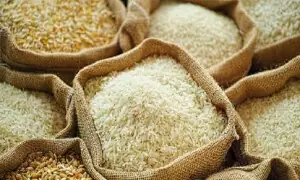
Pakistan’s export sector is dominated by textiles and garments, which account for the largest share of export earnings. Other important exports include cotton yarn and fabrics, rice, leather products, sports goods, surgical instruments, seafood, fruits, vegetables, carpets, and information technology services.
Pakistani surgical instruments and sports goods have earned an excellent international reputation because of their quality, while the country’s IT sector has shown rapid growth in recent years through software development, freelancing, and digital services.
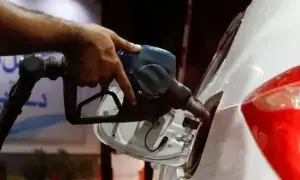
Pakistan imports petroleum and petroleum products, machinery, chemicals, fertilisers, edible oil, pharmaceuticals, electrical equipment, iron and steel, and various industrial raw materials. These imports are necessary to support manufacturing, transportation, agriculture, energy production, and infrastructure development.
However, because the value of imports often exceeds the value of exports, Pakistan regularly experiences a trade deficit, which places pressure on foreign exchange reserves and the national economy.
Economic diplomacy plays an important role in strengthening Pakistan’s foreign trade by creating favourable conditions for business and investment. Through diplomatic negotiations, Pakistan seeks to reduce trade barriers, improve market access for its exports, attract foreign investment, promote technology transfer, and establish stronger commercial partnerships.
Pakistani embassies and commercial missions abroad also assist exporters by identifying business opportunities, organising trade exhibitions, facilitating business contacts, and promoting Pakistani products in the international markets.
China has emerged as the country’s most significant economic partner. The China-Pakistan Economic Corridor (CPEC), one of the flagship projects of the Belt and Road Initiative, has transformed economic cooperation between the two countries.
Investments in roads, motorways, railways, energy projects, Gwadar Port, and Special Economic Zones have improved infrastructure and strengthened regional connectivity. CPEC has the potential to make Pakistan a regional trade and logistics hub connecting South Asia, Central Asia, China, and the Middle East.
The US remains an important destination for Pakistani exports, particularly textiles and garments. Economic relations also extend to agriculture, technology, education, and investment.
Similarly, the European Union is one of Pakistan’s largest export markets. Preferential access to European markets has significantly increased Pakistan’s textile and clothing exports, creating employment opportunities and generating valuable foreign exchange.
Pakistan also enjoys strong economic relations with the Gulf countries, especially Saudi Arabia, the United Arab Emirates, and Qatar. These countries supply Pakistan with petroleum products, while importing textiles, agricultural products, and various manufactured goods.
Further, millions of overseas Pakistanis working in the Gulf send remittances that contribute substantially to Pakistan’s economy and foreign exchange reserves.
Regional economic cooperation has become another important aspect of Pakistan’s economic diplomacy. Through organisations such as the South Asian Association for Regional Cooperation (SAARC), the Economic Cooperation Organisation (ECO), the Shanghai Cooperation Organisation (SCO), and the Organisation of Islamic Cooperation (OIC), Pakistan works to promote trade liberalisation, transport connectivity, investment, and regional economic integration. Improved regional cooperation can reduce transportation costs, expand markets, and create new business opportunities.
Despite these opportunities, Pakistan’s foreign trade continues to face several challenges. The country’s heavy dependence on textile exports makes it vulnerable to changes in the international demand and global market conditions. Many industries continue to rely on outdated technology, resulting in lower productivity and reduced competitiveness.
High energy costs, inflation, exchange rate instability, inadequate infrastructure, complex Customs procedures, inconsistent government policies, and political uncertainty further discourage investment and limit export growth. Pakistan also faces strong competition from the countries such as Bangladesh, Vietnam, India, and China.
Economic diplomacy can help overcome many of these difficulties by expanding trade relations with the emerging markets in Africa, Central Asia, Southeast Asia, and Latin America.
Greater diplomatic engagement can encourage foreign direct investment, facilitate technology transfer, improve industrial competitiveness, and strengthen Pakistan’s participation in global value chains. Diversifying exports beyond textiles by promoting engineering goods, pharmaceuticals, processed foods, information technology services, and value-added agricultural products would also reduce economic vulnerability and increase export earnings.
Pakistan’s future economic prospects remain promising if appropriate policies are implemented consistently. The country’s strategic geographical location provides access to important regional markets, while its young and growing population offers a large workforce capable of supporting industrial expansion and technological innovation. Continued investment in education, research, infrastructure, renewable energy, digital technology, and modern agriculture can significantly enhance Pakistan’s export capacity. Strengthening governance, ensuring political stability, simplifying business regulations, and encouraging innovation will further improve investors’ confidence and economic performance.
Economic diplomacy has become an indispensable component of Pakistan’s foreign policy in the modern era. It enables the country to strengthen foreign trade, attract investment, promote industrial development, and build lasting international partnerships.
Although Pakistan faces considerable economic challenges, it also possesses enormous potential arising from its strategic location, abundant resources, entrepreneurial population, and expanding digital economy. By adopting a forward-looking economic diplomacy strategy, diversifying exports, improving competitiveness, and deepening economic cooperation with regional and global partners, Pakistan can achieve sustainable economic growth, create employment opportunities, improve living standards, and secure long-term national prosperity.
The writer is a seasoned journalist and a communications professional.
He can be reached at [email protected]
For the latest news, follow us on Twitter @Aaj_Urdu. We are also on Facebook, Instagram and YouTube.








Comments are closed on this story.