


US-Iran peace deal: Thank you, Pakistan
5 min read



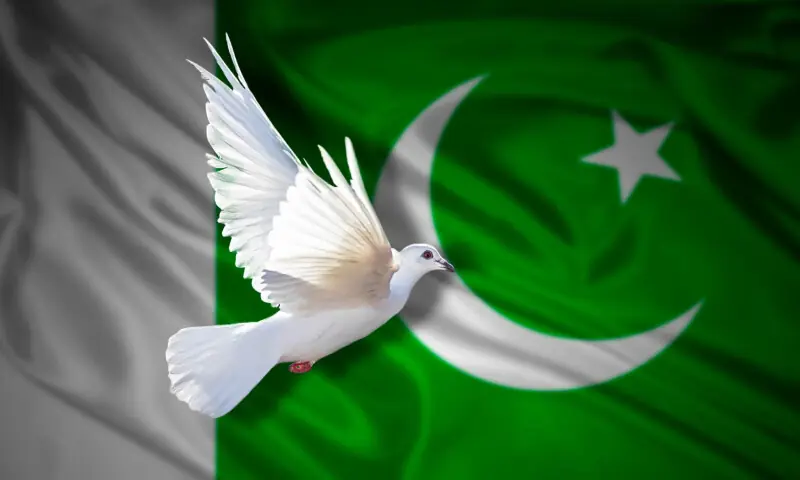
The tweet that broke the internet didn’t come from a celebrity. It came from a nation that had just pulled off the impossible.
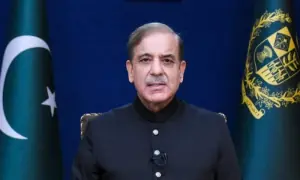
On June 14, Prime Minister Shehbaz Sharif posted a simple message on X: “We can confirm that a final, agreed upon text of the peace deal has been reached. Peace has never been as close as it is now.”
Within hours, the world erupted. #NobelPeacePrizeForAsimMunir, #PakistanNobelPeacePrize, #FieldMarshalAsimMunir and #CDFDidItAgain began trending globally. Google Trends reported a sharp surge in searches like “Asim Munir Trump” and “Pakistan Munir” from the United States, Israel, China, and the United Kingdom.
For the first time in months, the common man dared to hope that his monthly budget might stop bleeding.
The economic lifeline
Why does a peace deal in the Middle East matter to a family in London, Lagos, or Lahore? The answer is 25% — the share of the world’s seaborne oil that passes through the Strait of Hormuz. Since the war erupted on February 28, the strait has been effectively closed.
The consequences were brutal. Brent crude surged from around $72 per barrel before the strikes to approximately $96 by late May. US inflation hit 4.2%. Energy prices soared, supply chains snapped, and families everywhere felt the squeeze.
But when the peace deal was announced, oil prices dropped sharply — US crude futures fell approximately 1.6%.
The financial markets have already started responding positively, spurring hopes that lower energy prices would cool down inflation and have a knock-on effect on the overall life of common citizens.
British Prime Minister Keir Starmer put it plainly: freedom of navigation in the Strait must be restored “to begin easing the severe economic impacts that have been felt for several months — on families here in the UK and around the world”.
The world reacts
The applause from global capitals has been thunderous — and remarkably bipartisan.
UN Secretary-General António Guterres expressed “deep appreciation” for Pakistan’s constructive role, calling the deal “a critical step towards the peaceful settlement of the conflict”.
Turkish President Recep Tayyip Erdogan went further, declaring: “I thank Pakistan for its exceptional mediation efforts”.
German Chancellor Friedrich Merz said the deal “can pave the way towards a reinvigorated global economy and a more secure Middle East”.
French President Emmanuel Macron acknowledged the agreement was “the result of a diplomatic effort to which several partners have contributed”.
Japanese Prime Minister Sanae Takaichi “highly commended the efforts of the relevant countries that have played a mediating role”.
Australian Prime Minister Anthony Albanese and Foreign Minister Penny Wong, in a joint statement, “commended the efforts to date of Pakistan, Qatar, Saudi Arabia, Türkiye and other mediating countries”.
Italian Prime Minister Giorgia Meloni posted: “A heartfelt thanks goes to all the mediators, and in particular to Qatar and Pakistan, who have made this agreement possible”.
The Field Marshal’s masterclass
At the heart of this success is Field Marshal Syed Asim Munir, Chief of Army Forces and Chief of Defence Forces. His high-stakes visit to Tehran proved to be the decisive turning point.
The talks had collapsed at least three times prior to his intervention. Mediation efforts by the European Union and the United Nations had failed to break the deadlock. But Field Marshal Munir did something his predecessors could not. According to diplomatic sources cited by Anadolu Ajansı, Pakistan worked silently to find a “new formula” to break the stalemate. The breakthrough came in the form of a phased approach that neither Washington nor Tehran had previously accepted.
Specifically, Pakistan reportedly proposed a phased approach — Iran would reopen the Strait of Hormuz immediately in exchange for the US lifting oil sanctions and releasing frozen assets, while the thornier issue of Iran’s nuclear programme would be deferred to a 60-day technical window. This “strait first, nuclear later” sequencing broke the psychological barrier that had paralysed diplomacy for nearly two years.
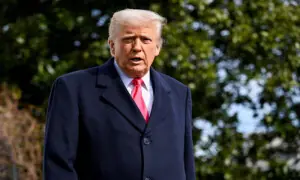
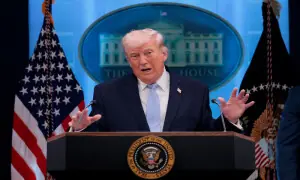
In a statement that sent ripples through diplomatic circles, US President Donald Trump openly lauded the Pakistani military leadership. According to reports, the American president acknowledged the “highly instrumental role” played by Pakistan in bridging the political gulf between the two nations, praising the “exceptional efforts” that brought the deal across the finish line.
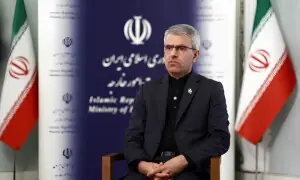
The intensive two-week mission in Tehran involved consecutive meetings with Iranian President Masoud Pezeshkian, Foreign Minister Abbas Araghchi, and Parliament Speaker Mohammad Bagher Ghalibaf. By the time it concluded, a finalised diplomatic draft had been transmitted to both authorities.
A historic legacy
International media have drawn direct parallels to 1971, when Pakistan facilitated Henry Kissinger’s secret trip to Beijing that reshaped the Cold War. More than five decades later, Pakistan has effectively replicated its own historic legacy — proving that its geopolitical value as a global stabiliser remains undiminished.
Former US intelligence and diplomatic officials reportedly acknowledged that without Pakistan’s intervention, the region could already have witnessed a devastating confrontation involving multiple countries.
A fragile but lasting peace
Is the danger over? Capital Economics, a London-based leading independent macroeconomic research consultancy, and market analysts like Ole Hansen of Saxo Bank urge caution. Hansen noted that “after more than 30 similar announcements over the past couple of months, investors have become increasingly cautious”. The deal reportedly includes a 14-point draft agreement: Iran pledges to reopen the Strait of Hormuz within 30 days, the US would lift oil sanctions and unfreeze Iranian funds, and the US and allies would present reconstruction plans for Iran.
The official signing ceremony is scheduled for June 19 in Geneva, Switzerland.
The bottom line
A nation once dismissed as unstable has proven to be the world’s most effective peacemaker. Pakistan didn’t fire a bullet. It fired a solution.
Tonight, the world breathes easier. And for the common man, the monthly budget may finally stop stretching to its breaking point.
Thank you, Pakistan.
The writer is a seasoned journalist covering the economy and international affairs.
For the latest news, follow us on Twitter @Aaj_Urdu. We are also on Facebook, Instagram and YouTube.




Comments are closed on this story.