


Pakistan voices concern over closure of Strait of Hormuz
2 min read


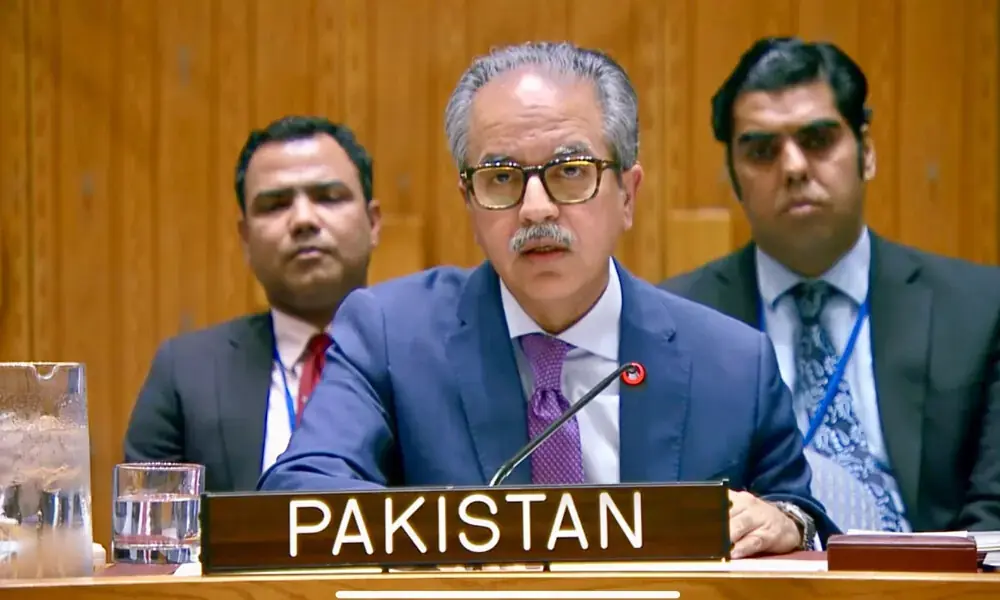
Pakistan’s Permanent Representative to the UN, Asim Iftikhar Ahmad, on Tuesday said Pakistan was concerned over the closure of the Strait of Hormuz as it is directly impacted by it.
The concerns were expressed on behalf of Pakistan at the High-Level Open Debate of the UN Security Council on “The Safety and Protection of Waterways in the Maritime Domain”.
Ambassador Asim said if the crisis persists, the first order impacts related to the procurement of oil and gas, and essential commodities such as fertilisers and their pricing trends will increasingly translate into second and third order impacts on inflation, growth, current account and balance of payments issues.
He said that developing countries will be most affected.
Asim, supported by brotherly countries including China, Saudi Arabia, Turkiye and Egypt, has spearheaded constructive diplomatic efforts for de-escalation and the broader pursuit of stability between the United States and Iran.
“Pakistan remains firm in its faith in diplomacy and dialogue, and will continue to resolutely undertake all possible measures towards that end,” he stated.
He also expressed Pakistan’s complete support and solidarity with all brotherly countries of the Gulf region and in their sovereignty, territorial integrity, and political independence.
The Pakistani representative stated that global maritime spaces are the lifeline of global commerce, bellwether of Earth’s environment, and home to a vast array of marine biological and mineral resources.
“Propelled by the onward march of economic globalisation and rapid improvement in transportation and connectivity infrastructure, global commerce and trade are now more reliant on sea-borne trade than ever before,” he added.
Asim said any disruptions to the routine traffic at sea gravely impact international trade with negative repercussions for the global economy, and breed volatility that imperils international peace and security.
“Closure of the Strait of Hormuz and its cascading effects on food and energy security, and supply-chain disruption is a case in point,” he maintained.
For the latest news, follow us on Twitter @Aaj_Urdu. We are also on Facebook, Instagram and YouTube.











Comments are closed on this story.