


Trump and Iran missteps derail progress on peace deal: Report
2 min read
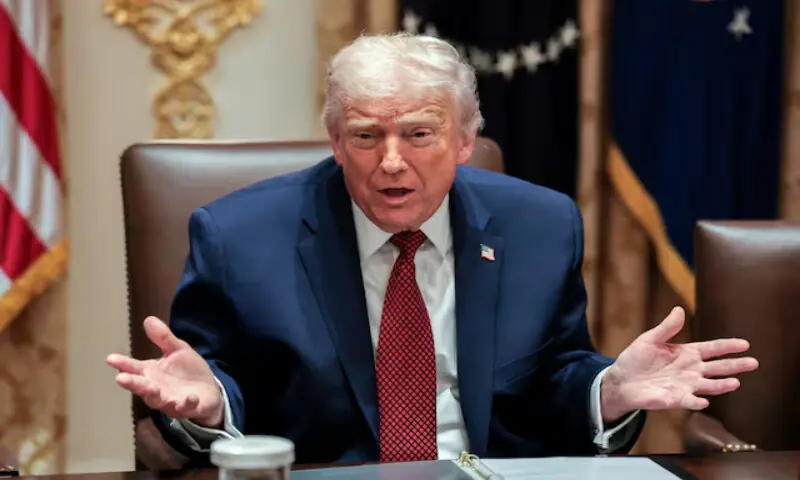
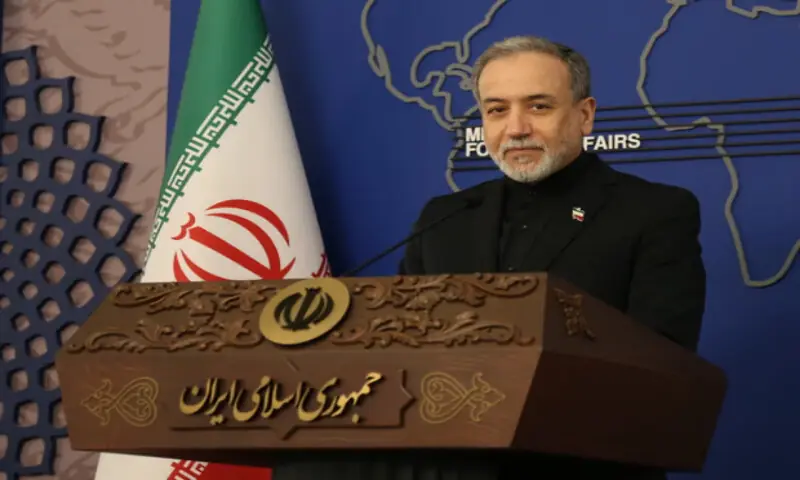
The recent media statements made by US President Donald Trump and Iranian authorities significantly derailed progress toward a peace agreement, according to a report by The Guardian.
The report said the series of missteps began when Iranian Foreign Minister Abbas Araghchi announced on X on Friday that the Strait of Hormuz was open for commercial vessels following a ceasefire agreement reached between Lebanon and Iran.
The announcement led to a $12 drop in oil prices and was initially welcomed by the US, with Trump thanking Iran for reopening the strait and allowing the export of Iran’s uranium stockpile.
However, the post backfired, and in Iran, where Araghchi’s message was seen as poorly framed, it sparked a backlash, and certain elements accused him of market manipulation.
Some Iranian lawmakers even called for his impeachment due to the “ill-timed” nature of his statement.
Shortly after, news agency Tasnim clarified that the post was incomplete, causing confusion about the conditions for passage through the strait.
The situation became even more confused after hardline voices in Iran, including the Islamic Revolutionary Guard Corps (IRGC), pushed back against Araghchi’s statement.
They said the Strait of Hormuz would only be open to authorised ships on routes controlled by the IRGC Navy, and stressed that no agreement had been reached with the US on Iran’s uranium stockpile.
As tensions rose, US President Donald Trump warned he could resume military strikes once the ceasefire ends on Wednesday, fuelling concerns of a fresh confrontation in the Strait of Hormuz.
Iran, meanwhile, rejected the idea of talks in Islamabad, stating that the US demands were excessive and unreasonable.
The report said the debacle highlights the growing influence of the IRGC on Iran’s foreign policy and the difficulties of negotiating under conditions where hardline factions dominate.
Trump’s premature public statements and his insistence on continuing the blockade of Iranian ports have compounded the problem.
The US’s diplomatic missteps only strengthened Tehran’s determination to control the strategic waterway, the report stated.
The report said Tehran’s decision to end even the conditional passage of ships signals a new phase of heightened tensions.
Reza Nasri, an Iranian lawyer, weighed in on the matter, arguing that the Strait of Hormuz’s status as an international waterway is under threat.
He stated, “When one side of this passage becomes a permanent military platform for the destruction of the opposing coastal state, that waterway no longer functions as a ‘normal’ international strait but rather becomes an extension of a hostile military zone.”
As the situation stands, the prospects for peace remain uncertain, and the already fragile diplomatic ties between Iran and the US are increasingly strained.



Comments are closed on this story.