


Iran war’s ripple effect: how India and Pakistan are paying the price
2 min read
The Iran war may be unfolding far from South Asia, but its consequences are being felt sharply in India and Pakistan — two countries deeply tied to the Gulf through energy, trade and migration.
The Diplomat argues that the conflict has exposed structural vulnerabilities in both economies while reshaping their diplomatic postures in markedly different ways.
Energy lifelines under threat
At the heart of the impact lies energy dependence.
India, one of the world’s largest oil importers, relies heavily on crude supplies from the Gulf. Any disruption — particularly in the Strait of Hormuz, a critical maritime chokepoint — sends immediate shockwaves through its economy.
Rising oil prices translate into higher transportation costs, increased inflation and pressure on government finances.
Pakistan faces an even more acute challenge. With limited foreign exchange reserves and heavy reliance on imported fuel, it is highly vulnerable to price spikes.
The war has already forced Islamabad to consider emergency measures, including tighter fiscal controls and efforts to secure supply lines.
For both countries, the economic effects are not abstract — they are felt by ordinary citizens.
Fuel price increases ripple across sectors, raising the cost of food, transportation and basic goods. Inflationary pressure erodes purchasing power, particularly for lower- and middle-income households.
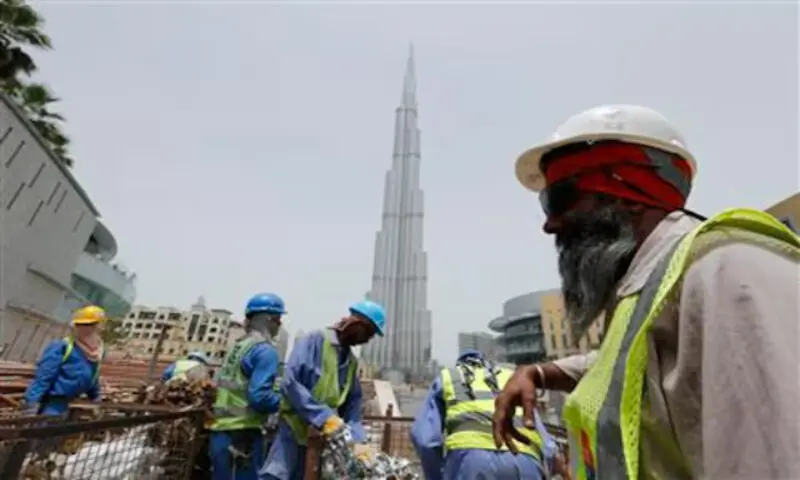
Remittances, another critical economic pillar, could also be affected if instability in the Gulf impacts migrant workers.
Diverging diplomatic strategies
While both countries face similar economic pressures, their political responses have diverged.
Pakistan has taken on a proactive diplomatic role, positioning itself as a mediator between the United States and Iran. This approach reflects both strategic calculation and an attempt to elevate its global standing.
India, on the other hand, has pursued a more cautious path. Balancing its relationships with Western allies, Gulf states and Iran, New Delhi has avoided overt alignment, opting instead for strategic restraint.
However, The Diplomat notes that this restraint may come at a cost — limiting India’s influence in shaping outcomes in a region critical to its interests.
Strategic and security implications
Beyond economics, the war carries broader strategic implications.
Escalation could threaten maritime security, disrupt trade routes and increase regional instability. Both India and Pakistan must navigate these risks while managing domestic pressures.
The conflict also highlights the interconnected nature of modern geopolitics — where distant wars can have immediate and profound local consequences.
No easy escape
The central conclusion is clear: neither India nor Pakistan can insulate itself from the Iran war.
As the conflict continues, its ripple effects are likely to deepen — shaping economic conditions, foreign policy decisions and regional dynamics for months, if not years.
For the latest news, follow us on Twitter @Aaj_Urdu. We are also on Facebook, Instagram and YouTube.








Comments are closed on this story.