


Hopes for Middle East peace as mediation efforts intensify
3 min read


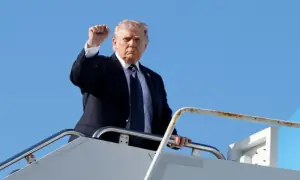
Optimism grew on Thursday that the war in the Middle East may be near an end, with a key Pakistani mediator in Tehran and the administration of President Donald Trump talking up hopes for a deal that would open the crucial Strait of Hormuz.
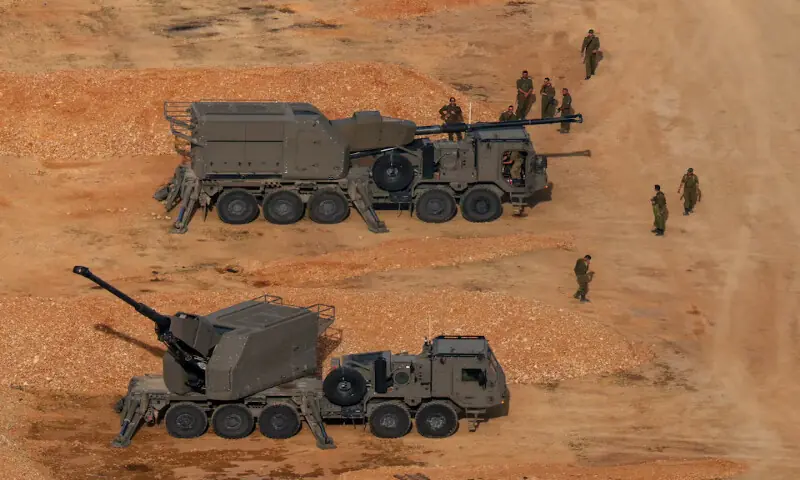
Israel’s cabinet met on Wednesday to discuss a possible ceasefire in neighbouring Lebanon, a senior Israeli official said, more than six weeks into its war with Hezbollah.
Trump said talks between leaders of both countries would take place on Thursday, while the Financial Times reported a ceasefire could be announced soon, citing Lebanese officials.
Ending the fighting in Lebanon was a key sticking point in earlier peace talks, along with how to deal with Tehran’s nuclear ambitions.
“We feel good about the prospects of a deal,” White House press secretary Karoline Leavitt said at a news conference on Wednesday, calling conversations mediated by Pakistan “productive and ongoing.”
She denied reports that the US had formally requested an extension of a two-week ceasefire agreed by the two sides on April 8.
More in-person talks had not yet been confirmed but would likely take place in Pakistan again, Leavitt said.
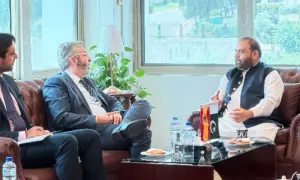
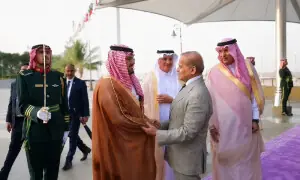
Pakistan’s military confirmed Army Chief Field Marshal Asim Munir had arrived in Tehran.
A senior Iranian source told Reuters that Field Marshal Asim Munir, who had mediated the last round of talks, would seek “to narrow gaps” between the two sides.
Iranian Foreign Minister Abbas Araqchi posted on X, welcoming Field Marshal Asim Munir and said Tehran was committed to “promoting peace and stability in the region.”
The talks last weekend broke down without an agreement to end the war, which Trump began alongside Israel on February 28, triggering Iranian attacks on Iran’s Gulf neighbours as well as reigniting the Israel-Hezbollah conflict.
Thousands of people have been killed, mostly in Iran and Lebanon, while soaring energy costs have rattled investors and policymakers around the world.
Stock markets have rallied strongly in recent days on expectations of a swift resolution to the fighting, with indexes on Wall Street hitting record highs on Wednesday as crude oil prices steadied.
“While there are hopes for de-escalation, many investors remain sceptical, given that US-Iran talks have repeatedly broken down even after appearing to make progress,” said Toshitaka Tazawa, an analyst at Fujitomi Securities.
Talks complicated by nuclear issue
Iran’s nuclear ambitions were a key sticking point at last weekend’s talks.
The US proposed a 20-year suspension of all nuclear activity by Iran — an apparent concession from longstanding demands for a permanent ban — while Tehran suggested a halt of three to five years, according to people familiar with the proposals.
Washington has also pressed for any enriched nuclear material to be removed from Iran, while Tehran has demanded that international sanctions against it be lifted.
One source involved in the talks said back-channel discussions had made progress in narrowing gaps, bringing the two sides closer to a deal that could be presented at a new round of talks.
For the latest news, follow us on Twitter @Aaj_Urdu. We are also on Facebook, Instagram and YouTube.









Comments are closed on this story.