


Breakthrough on nuclear issue likely as Pakistan pushes US-Iran talks
2 min read


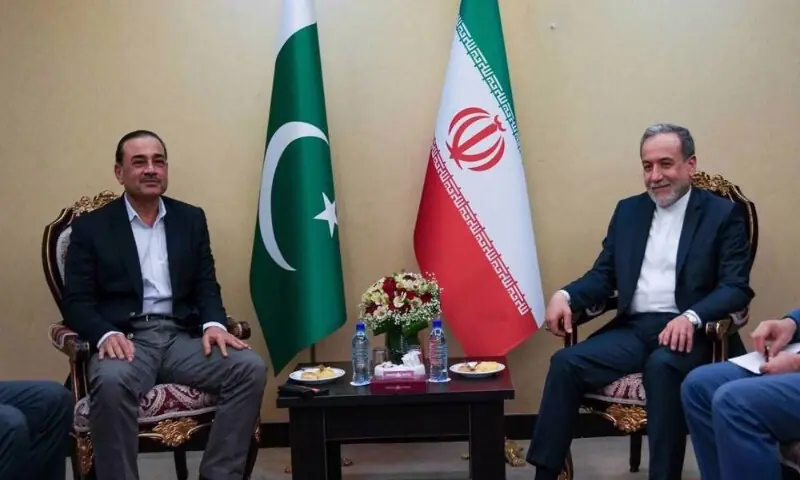
Field Marshal Asim Munir held high-level talks with Iranian leaders in Tehran as part of Pakistan’s efforts to revive US-Iran negotiations aimed at ending the Middle East conflict, with officials indicating that some progress has been made on the contentious issue of Iran’s uranium enrichment.
Sources familiar with the mediation effort say there is growing optimism about securing a breakthrough in negotiations over Iran’s nuclear programme.
According to a report by Al Jazeera, Islamabad’s latest diplomatic push is centred on a possible understanding over Tehran’s nuclear programme, with officials indicating that conditions may be aligning for a limited agreement — potentially involving constraints on uranium enrichment — in exchange for de-escalation and renewed talks.
Quoting experts, the report claimed Iran has not operated centrifuges since mid-2025, following US strikes on key facilities — a factor that could create space for compromise if verified.
According to sources familiar with the process, the unpublicised visit of Army Chief Field Marshal Asim Munir is part of a broader, coordinated effort involving both military and civilian leadership.
The initiative is tied to what insiders describe as a “major breakthrough” under discussion on the nuclear front, though details remain closely held.
The effort is unfolding through a multi-layered strategy.
In Islamabad, representatives from Egypt, Saudi Arabia, Türkiye, and Pakistan recently convened as part of a “Quad” consultation aimed at aligning regional stakeholders ahead of further diplomatic engagements.
The meeting came just before talks between Prime Minister Shehbaz Sharif and the Saudi crown prince.
Sharif has since embarked on a regional tour, with planned visits to Qatar and Türkiye, where he is expected to push for greater coordination among allies to sustain dialogue channels with Tehran and Washington.
According to the report, Pakistan’s military leadership has been in touch with senior US officials, including Vice President JD Vance.
Iranian Foreign Minister Abbas Araghchi acknowledged Pakistan’s mediation efforts, thanking Islamabad for its “gracious hosting of dialogue” and emphasising shared commitments to regional peace and stability.
Diplomatic urgency has increased ahead of an April 22 deadline tied to a temporary ceasefire framework.
However, despite the positive outlook, officials cautioned that significant obstacles remain.
They pointed out that resistance to any deal existed across the region and beyond, including factions within Iran and the United States.
The sources also point to Israel as a key opponent of any agreement, arguing it favours sustained pressure over diplomatic resolution.
For now, Islamabad appears to be positioning itself at the centre of a delicate diplomatic balancing act, seeking to leverage its ties with both Washington and Tehran — as well as regional powers — to prevent further escalation and revive negotiations.
For the latest news, follow us on Twitter @Aaj_Urdu. We are also on Facebook, Instagram and YouTube.




Comments are closed on this story.