


Pakistan faces up to 16-hour outages in extreme heat
2 min read




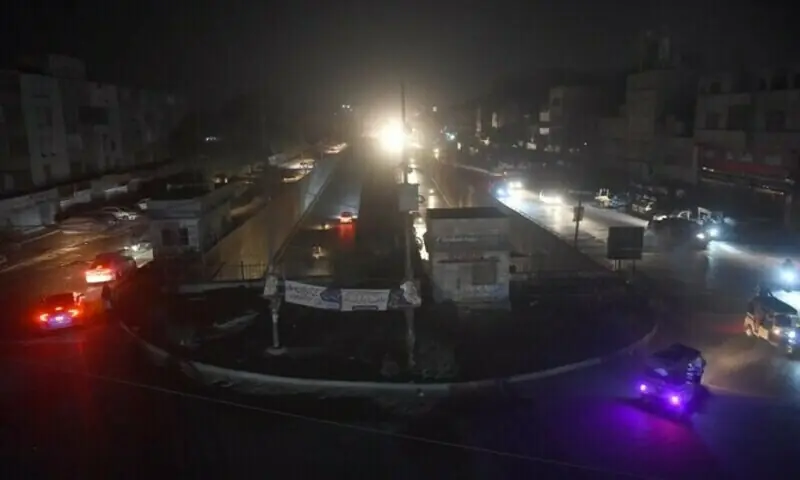
Pakistan is grappling with a worsening power crisis, with prolonged electricity outages of up to 16 hours reported across the country amid rising temperatures and surging demand.
Officials say the national power shortfall has reached around 6,500 megawatts, as demand climbs to approximately 22,000MW against a generation capacity of about 15,400MW.
The gap has triggered widespread load-shedding, with both urban and rural areas experiencing extended and, in many cases, unannounced outages, severely disrupting daily life and economic activity.
Power generation from various sources remains insufficient. Hydropower contributes around 1,500MW, thermal sources about 9,250MW, wind 1,200MW, solar 400MW, bagasse 200MW, and nuclear energy roughly 2,850MW.
Authorities say the situation has been exacerbated by regional tensions affecting energy supply, alongside a seasonal spike in electricity demand due to heat.
A spokesperson for the Power Division said load management of two to two-and-a-half hours is being scheduled between 5.00 p.m. and 1.00 a.m. to reduce reliance on expensive fuel. However, consumers report outages far exceeding official schedules.
The Power Division has urged citizens to conserve electricity, particularly during nighttime hours, citing a sharp drop in hydropower generation due to reduced water releases from dams. Officials said nearly 1,991MW of hydel output was lost recently, worsening the crisis during peak demand.
In Lahore, electricity demand stands at around 3,000MW, while supply remains near 2,000MW, resulting in extensive outages affecting both businesses and households. Power supply has also been severely impacted in Sheikhupura, Gujranwala, Faisalabad and Sargodha.
In Quetta, outages range between 10 and 12 hours, extending up to 16 hours in interior Balochistan, compounding difficulties already caused by gas shortages.
In Karachi, power cuts lasting 10 to 12 hours have become routine in several areas, with even exempt localities facing outages under the pretext of faults.
Similarly, in Peshawar, unannounced load-shedding has intensified, with outages lasting up to 12–14 hours in urban areas and as much as 20 hours in some outskirts.
Authorities say improvements may be expected in the coming days with increased water releases and better fuel availability, including RLNG.
However, for now, the crisis continues to weigh heavily on households and businesses nationwide.
For the latest news, follow us on Twitter @Aaj_Urdu. We are also on Facebook, Instagram and YouTube.












Comments are closed on this story.