


Power Division announces 2.25 hours daily load-shedding during peak hours
2 min read



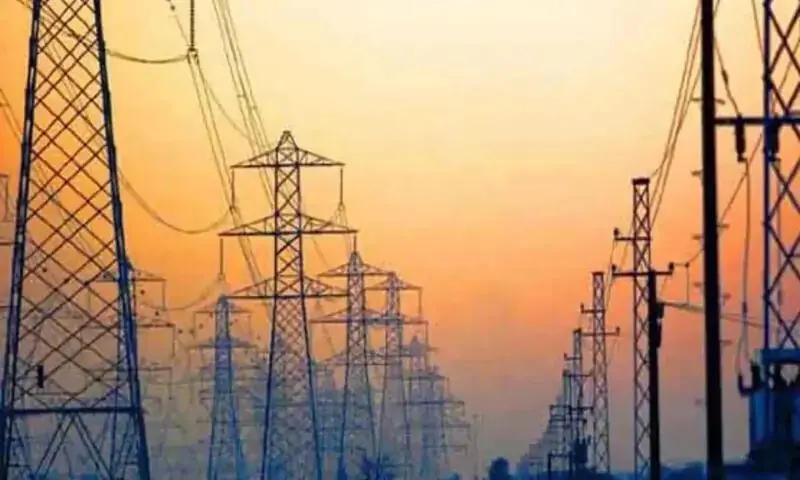
The Power Division has announced that around 2.25 hours of daily load-shedding will be carried out during peak hours as part of its relief strategy.
A spokesperson for the Power Division said in a statement on Tuesday that the government is facing its biggest challenge in managing rising electricity demand during peak hours.
He said load-shedding will be carried out daily between 5pm and 1am, and distribution companies (DISCOs) have been directed to share outage schedules with consumers.
The spokesperson added that the government will take all possible steps to provide relief to the public.
He said the timely closure of commercial markets at the federal and provincial levels could help reduce electricity demand, and lowering demand would also help limit any possible increase in electricity prices.
According to the spokesperson, reduced use of expensive fuels could help prevent further pressure on electricity tariffs.
He said consumers were provided Rs46 billion in relief between July and February, and despite rising fuel costs, electricity rates had fallen by 71 paisa per unit.
The spokesperson said cost-effective energy sources were being utilised efficiently, while improvements in transmission and administrative systems had reduced losses.
He added that electricity generation remained stable despite challenging global conditions, and the country was currently able to produce power according to demand.
However, he warned that reliance on expensive fuel could lead to significant tariff increases.
He said the situation was being continuously monitored under the direction of Prime Minister Shehbaz Sharif, who has instructed that electricity prices must not rise sharply under any circumstances.
The spokesperson said 80 million cubic feet per day (MMCFD) of local gas had been provided to power plants, which helped avoid an 80 paisa per unit increase in electricity prices and additional load management.
He added that peak-hour load management of 2.25 hours aimed to prevent a potential rise of around Rs3 per unit in electricity costs.
He further warned that even with reduced use of furnace oil, an increase of about Rs1.5 per unit should be anticipated, adding that without timely measures, electricity prices could have risen by Rs5 to Rs6 per unit.
The government’s strategy, he added, aims to minimise the impact of global energy shocks on consumers and ensure relief wherever possible.
For the latest news, follow us on Twitter @Aaj_Urdu. We are also on Facebook, Instagram and YouTube.














Comments are closed on this story.