


Iran economy struggles as brief ceasefire brings limited return to work
2 min read


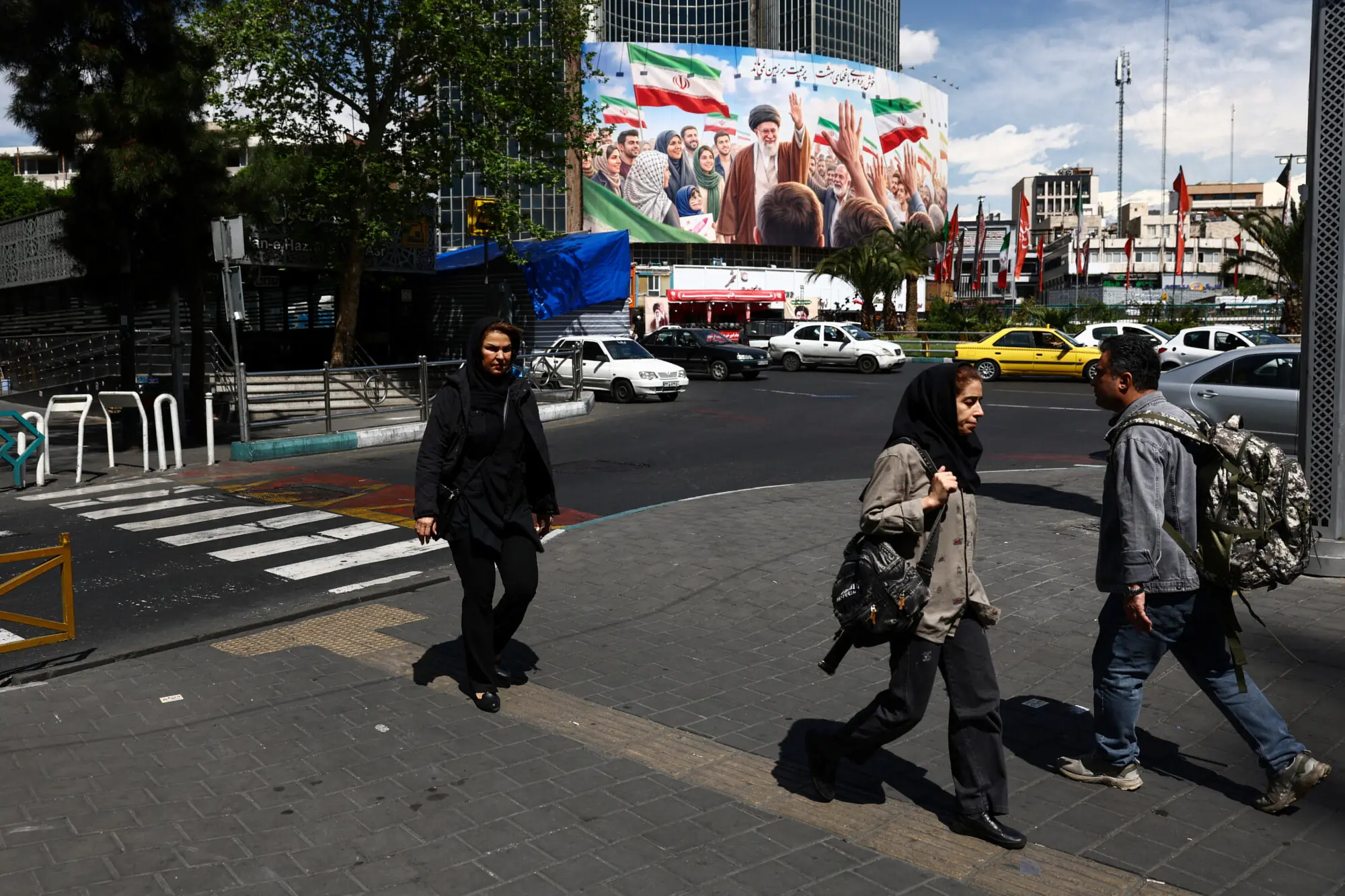
More people in Iran return to work this week as a pause in fighting between the United States and Israel provides a temporary respite from bombardment, but the economic outlook remains bleak.
In Tehran’s Grand Bazaar, more shops opened for longer hours on the first working day of the week compared with the period before a ceasefire announced overnight into Wednesday. However, merchants said sales remained weak.
“It’s almost complete stagnation,” said one vendor selling metal goods, tools and light industrial items.
He said new wholesale price lists showed increases of 20–30 per cent compared with late January, adding that it was unclear how or when imports would resume amid the war.
The January prices themselves had already risen sharply amid inflation linked to protests, killings, and a 20-day internet blackout, traders said.
The Islamic Republic has since imposed another near-total internet shutdown since the start of the war on February 28, severely disrupting work and income streams.
A Tehran-based online English teacher said she has been forced to switch from Google Meet to state-run platforms on a domestic intranet, which does not support her foreign students and raises concerns over security and encryption.
A bazaar vendor said online sales had fallen to nearly zero due to limited internet access and poor search functionality on local systems.
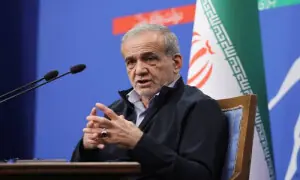
The government of President Masoud Pezeshkian has said restrictions will remain for “security considerations”. The ICT ministry has proposed limited support for some digital businesses, while telecom firms are planning a tiered “Internet Pro” system.
Analysts say the wider economy faces worsening pressure as attacks have damaged steel, petrochemical, aluminium, transport and energy infrastructure, with rebuilding expected to take years even if fighting ends.
More than 50,000 US troops remain in the region, with Washington maintaining pressure on Tehran amid ongoing tensions and sanctions.
Layoffs have spread across sectors, including car manufacturing and media, while businesses report collapsing demand and shrinking savings.
“With or without the war, it feels like we’ve been dead for a long time,” said a Tehran-based video game critic and content producer.
For the latest news, follow us on Twitter @Aaj_Urdu. We are also on Facebook, Instagram and YouTube.





Comments are closed on this story.