


Conflicting preconditions threaten US-Iran talks
2 min read
The United States and Iran are entering high-stakes negotiations in Islamabad with sharply defined and potentially conflicting preconditions, raising uncertainty over prospects for a broader ceasefire.
Washington’s core demands
US officials have signalled two primary objectives ahead of the talks.
The first is to prevent Iran from developing a nuclear weapons capability, a long-standing priority for Washington and its allies.
The second is the reopening of the Strait of Hormuz to unrestricted international shipping.
The Trump administration has increasingly focused on Iran’s control of the strategic waterway, where transit has been restricted through fees and conditions.
US negotiators view restoring free passage as central to stabilising global energy flows and extending a ceasefire currently set to expire on April 21.
Tehran sets preconditions
On the other side, Iran has made clear that talks cannot proceed without prior concessions.
Parliament Speaker Mohammad Bagher Ghalibaf, who is leading Tehran’s delegation, has demanded a ceasefire in Lebanon and the release of Iranian assets frozen abroad.
“Two of the measures mutually agreed upon between the parties have yet to be implemented: a ceasefire in Lebanon and the release of Iran’s blocked assets prior to the commencement of negotiations,” Ghalibaf said in a post on the social media platform X.
“These two matters must be fulfilled before negotiations begin.”
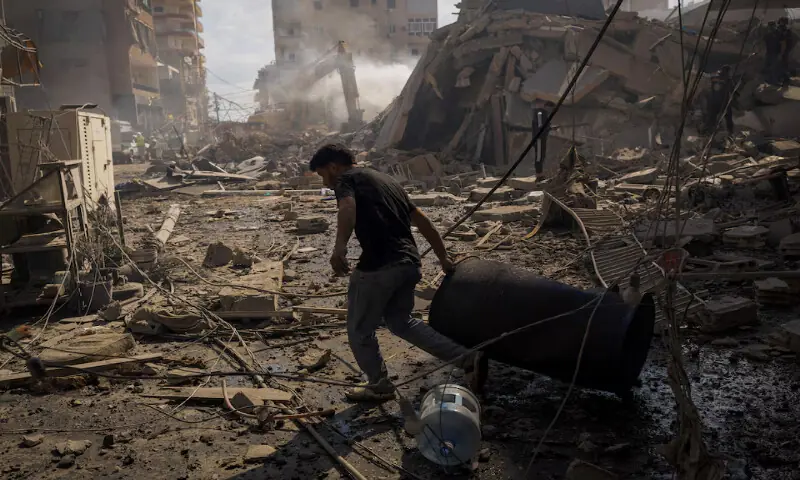
Iran’s position is reflected in a broader proposal that links any ceasefire agreement to a halt in aggression “on all fronts,” including Israeli military operations in Lebanon.
Foreign Minister Abbas Araghchi and other senior officials, including security and economic representatives, are part of the delegation pressing these demands.
Distrust and warnings
Ghalibaf has also underscored deep mistrust of the United States, citing past instances where negotiations were followed by military action.
While reiterating Iran’s willingness to reach an agreement, he warned that Tehran would only engage if Washington demonstrates commitment to a “genuine” deal and recognises Iran’s rights.
He cautioned that any attempt to use talks as a delaying tactic or “deception” would prompt Iran to rely on its own capabilities to secure its interests.
High stakes, uncertain outcome
US Vice President JD Vance is leading the American delegation, which also includes senior envoys, as both sides test whether their conditions can be reconciled.
With the US focused on Iran’s nuclear programme and reopening of the Strait of Hormuz, and Tehran insisting on sanctions relief and a halt to Israeli strikes in Lebanon, the gap between the two sides remains significant — casting doubt on the outcome of talks.
For the latest news, follow us on Twitter @Aaj_Urdu. We are also on Facebook, Instagram and YouTube.









Comments are closed on this story.