


China humanoid robots enter mass production phase, factory output ramps up
2 min read



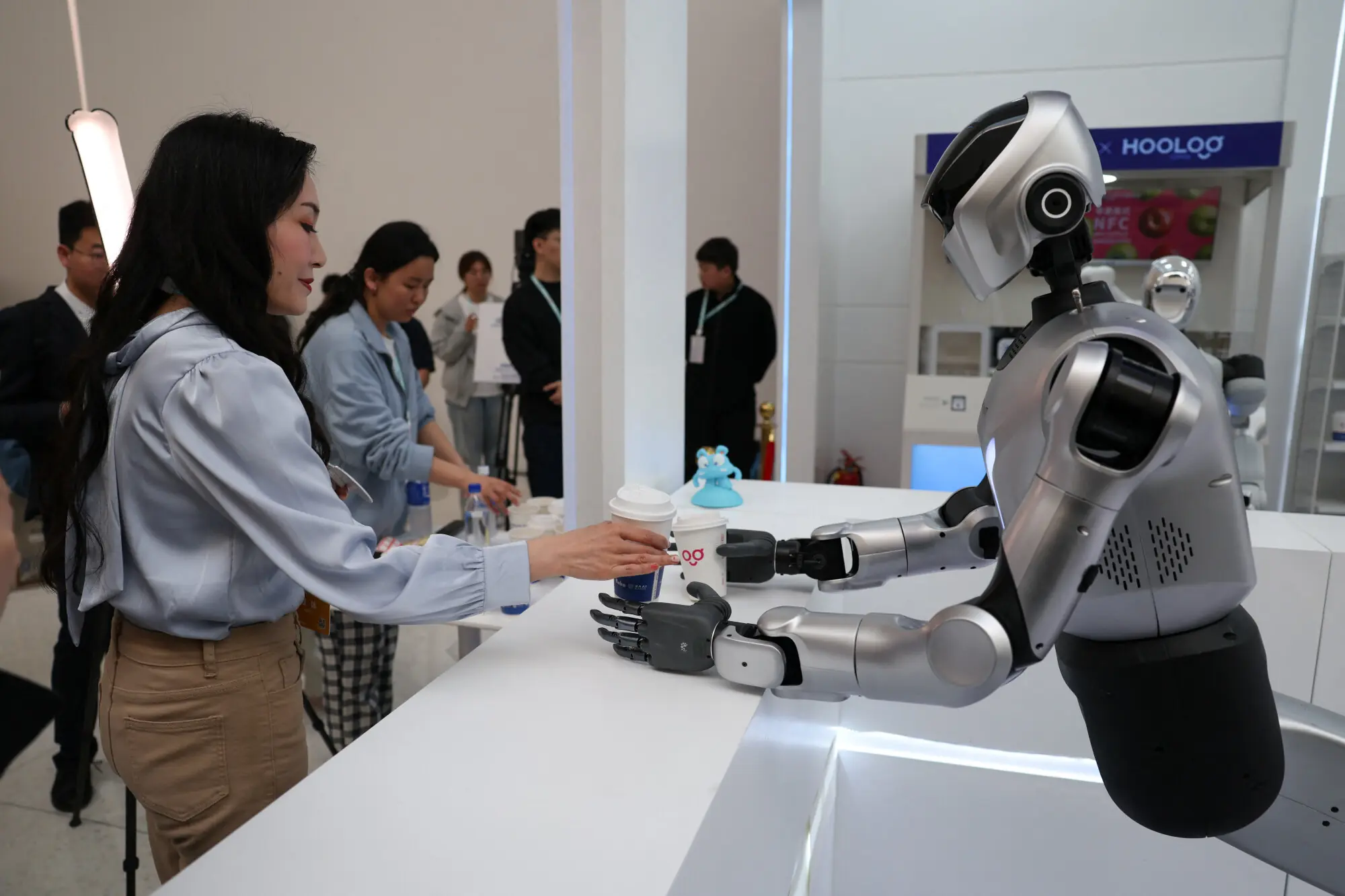
Humanoid robots in China are moving from experimental prototypes to large-scale manufacturing, as a new factory begins producing machines at a pace comparable to automotive assembly lines, according to details reported by Fox News.
The facility, developed through a partnership between Leju Robotics and Dongfang Precision Science & Technology, is capable of producing one humanoid robot every 30 minutes, translating to an annual capacity of about 10,000 units.
The factory operates across 24 precision assembly stages, supported by 77 inspection checkpoints designed to improve reliability — a longstanding challenge in humanoid robotics.
A key feature of the factory is its flexibility, allowing it to switch between different robot models without halting production.
This enables the same line to serve multiple industries, including automotive and home appliances.
The development reflects a broader shift in the robotics sector from demonstration to scalability. Other Chinese firms are also accelerating production efforts.
Agibot has already reached an output of 10,000 units, while Unitree Robotics is expanding with new funding. UBTECH Robotics is aiming to reduce per-unit costs to below $20,000.
Investors are increasingly focusing on production capacity as an indicator of commercial viability, signalling expectations that demand for humanoid robots will grow.
The factory model also highlights an emerging division of labour within the industry. Leju Robotics is focused on design and software development, while Dongfang Precision Science & Technology handles manufacturing and scaling — an approach similar to other mature technology sectors.
Despite advances in hardware production, challenges remain, particularly in software. Robots still struggle to operate reliably in unpredictable real-world environments such as homes and public spaces, where variables like lighting and object shapes can complicate tasks.
As manufacturing scales up, costs are expected to decline, potentially accelerating adoption across sectors such as logistics, retail and services. However, the expansion of humanoid robots also raises concerns around employment, safety and public acceptance.
The pace of development underscores how quickly the technology is transitioning from experimental to commercial use, marking a potential turning point for the global robotics industry.
For the latest news, follow us on Twitter @Aaj_Urdu. We are also on Facebook, Instagram and YouTube.


















Comments are closed on this story.