


Iran questions ceasefire talks after Israeli barbarism in Lebanon
3 min read


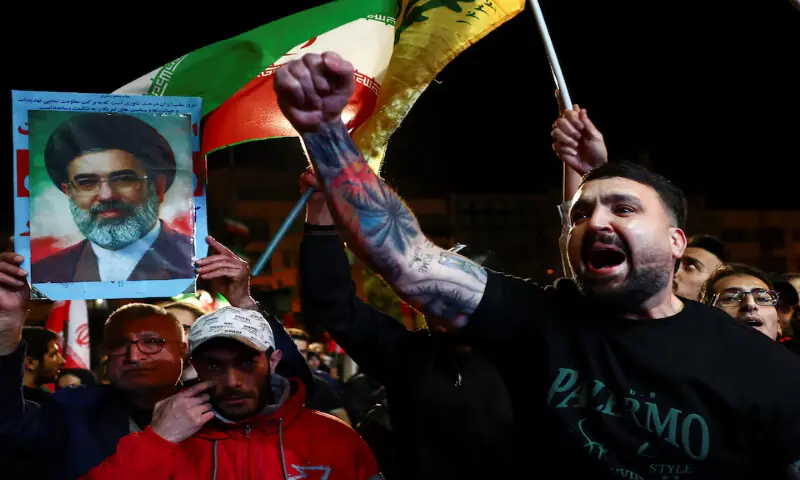
Israel pounded Lebanon with its heaviest strikes yet on Wednesday, killing hundreds of people and drawing a threat of retaliation from Iran, which suggested it would be “unreasonable” to proceed with talks to forge a permanent peace deal with the United States.
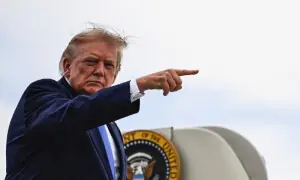
The warning from Iran’s lead negotiator, parliament speaker Mohammed Bager Qalibaf, laid bare the continued volatility in the region following Tuesday’s ceasefire announcement by President Donald Trump.
The two sides have laid out sharply contrasting agendas for peace talks set to start on Saturday, but it was unclear whether the two-week ceasefire would hold until then.
Qalibaf said Israel had already violated several conditions of that ceasefire by ramping up its parallel war against the Iran-aligned militia Hezbollah, while the US had violated the agreement by insisting that Iran abandon its nuclear ambitions.
“In such a situation, a bilateral ceasefire or negotiations were unreasonable,” he said in a statement.
Israel and the United States both said the two-week ceasefire did not cover Lebanon, and radical Israeli regime leader Benjamin Netanyahu said the strikes would continue.
“I think the Iranians thought that the ceasefire included Lebanon, and it just didn’t,” US Vice President JD Vance, who will lead the US delegation, told reporters in Budapest.
The two sides appeared to be far apart on Iran’s nuclear programme as well — one of the factors that Trump cited as the basis for war.
Trump said Iran had agreed to stop enriching uranium, which can be turned into nuclear weapons, and the White House said Iran has indicated it would turn over its existing stocks.
“The United States will, working with Iran, dig up and remove all of the deeply buried … Nuclear ‘Dust,’” Trump said on social media.
Qalibaf, however, said it was allowed to continue enriching uranium under the terms of the ceasefire.
Though both the United States and Iran declared victory in a five-week-old war that has killed thousands, their core disputes remained unresolved.
Each side is sticking to competing demands for a deal that could shape the Middle East for generations.
Tehran’s newly demonstrated ability to cut off Gulf energy supplies through its grip on the strait, despite decades of massive US military investment in the region, shows how the conflict has already altered power dynamics in the Gulf.
Netanyahu said Israel had its “finger on the trigger” and was prepared to return to fighting at “any moment.”
French President Emmanuel Macron condemned “in the strongest possible terms” indiscriminate Israeli attacks on Lebanon, saying in a statement on X that Lebanon “must be fully covered” by the ceasefire.
The Strait of Hormuz remained shut to vessels sailing without a permit and shippers said they needed more clarity before resuming transit.
Iran’s Revolutionary Guards navy posted a map showing alternative shipping routes in the Strait of Hormuz to help ships avoid naval mines, the semi-official Iranian news agency ISNA said.
In a flurry of online posts, Trump announced new tariffs of 50% on all goods from any country that supplies arms to Iran, though he lacks the authority to do so.
For the latest news, follow us on Twitter @Aaj_Urdu. We are also on Facebook, Instagram and YouTube.




Comments are closed on this story.