


Iran tightens grip on Strait of Hormuz, global oil supply under pressure
2 min read



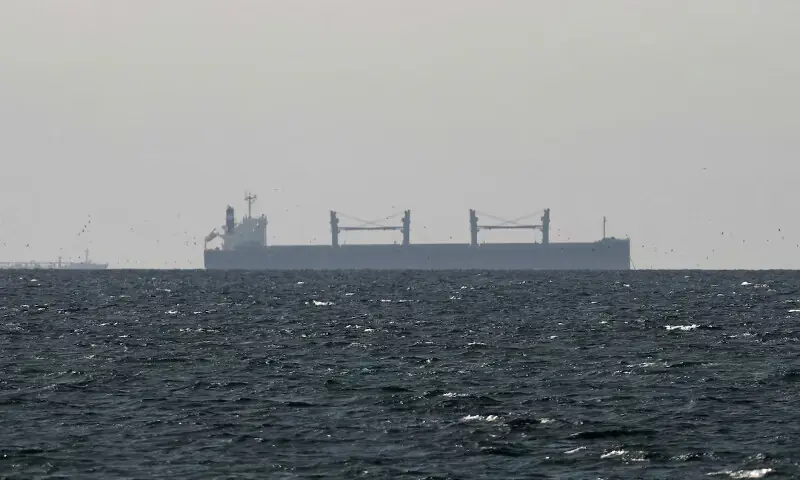
Maritime traffic through the Strait of Hormuz remains heavily constrained more than a month after US and Israeli strikes on Iran, threatening global oil and gas supplies.
Iran has effectively limited passage to approved vessels, pushing oil and gas prices higher as global supply tightens.
President Donald Trump has publicly threatened attacks on Iran’s energy infrastructure unless the strait reopens, while privately signalling willingness to halt US military operations even if the waterway remains mostly closed.
Iran has rejected a US peace proposal, insisting on international recognition of its sovereignty over the strait as part of any ceasefire.
The Strait of Hormuz connects the Persian Gulf to the Indian Ocean and is vital for global energy trade. About a quarter of the world’s seaborne oil passes through the waterway, along with around 20% of global liquefied natural gas, most of which is shipped to Asia.
Beyond energy, Hormuz is key for exports of aluminium, fertiliser, and helium.
Iran has sporadically attacked vessels, jammed navigation systems, and allowed limited safe passage for select ships, often after payments or negotiations.
Around 80% of oil tankers exiting the strait in March were Iranian or from countries friendly to Tehran.
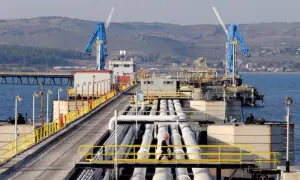
Alternative routes for Gulf oil are limited. Saudi Arabia has rerouted some exports via the Red Sea, but this route faces threats from Iran-backed Houthi militants.
The UAE and Iraq have partial alternatives, but these carry far less volume than Hormuz.
Military analysts caution that escorting convoys through the strait is highly risky due to its narrow passage and Iran’s layered defences, including mines, fast attack craft, drones, and submarines.
Even if convoy operations are established, clearing the backlog and restoring energy exports could take weeks.
For the latest news, follow us on Twitter @Aaj_Urdu. We are also on Facebook, Instagram and YouTube.














Comments are closed on this story.