


Russian oil tanker arrives in Cuba as Moscow vows to stand by Havana
2 min read


Russia said on Monday that an oil tanker carrying 100,000 metric tons of crude oil had arrived in Cuba and that Moscow would stand by its friends by working on further supplies despite a U.S. blockade of the Communist-run island.
The U.S. cut off Venezuela’s oil exports to Cuba after toppling Venezuelan President Nicolas Maduro on January 3, and U.S. President Donald Trump threatened to slap punishing tariffs on any other country that sent crude to Cuba.
But Trump on Sunday signalled he was reversing course and expressed sympathy for the Cuban people’s need for energy.
The Anatoly Kolodkin was waiting to offload at the port of Matanzas, Russia’s transport ministry said.
The Kremlin said it had raised the issue of the tanker during talks with the U.S. but that Russia felt it had a duty to support “friends” in Cuba.
“This issue was indeed raised in advance during contacts with our American partners,” Kremlin spokesman Dmitry Peskov told reporters.
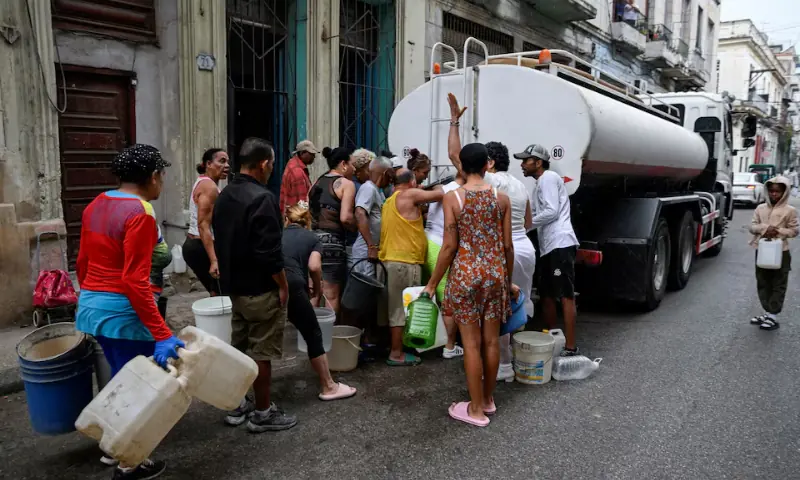
Cuba has not received an oil tanker in three months, according to President Miguel Diaz-Canel, and its energy crisis has caused blackouts across the country of 10 million. Health officials say the crisis has increased the mortality risk for cancer patients, especially children.
Cuba became dependent on the Soviet Union for oil after its communist revolution in 1959, and needs imported fuel oil and diesel to generate power.
Asked if further Russian shipments would follow, Peskov said: “In the desperate situation that Cubans now find themselves in, this, of course, cannot leave us indifferent, so we will continue to work on this.”
LSEG ship-tracking data showed the Russian tanker had left the Russian Baltic Sea port of Primorsk on March 8 and was now moving along Cuba’s northern shore.
For the latest news, follow us on Twitter @Aaj_Urdu. We are also on Facebook, Instagram and YouTube.














Comments are closed on this story.