



A month of war: How the Middle East changed in 28 days
5 min read


One month into the attacks by the United States and Israel on Iran and Tehran’s retaliatory strikes on US bases in neighbouring countries, the Middle East is unrecognisable.
Energy prices are soaring, violence has intensified, and efforts at diplomacy have been overshadowed by threats and escalating attacks from both sides.
Analysts note that the past four weeks have produced profound political, security, and economic consequences, according to an Al Jazeera report.
Many high-ranking Iranian leaders have been killed, while the US struggles to rally allies to its side.
By the end of March, more than 1,937 people had died in Iran, alongside additional casualties across the region, including US military personnel.
Here’s a week-by-week look at how the conflict has unfolded.
Week 1: Shock and awe
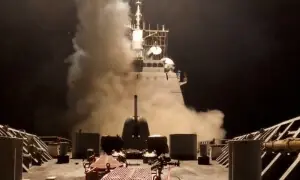
The war broke out on February 28 with massive strikes by the US and Israel, reportedly twice the scale of the 2003 “shock and awe” campaign in Iraq.
The initial attacks claimed the lives of Iran’s Supreme Leader Ali Khamenei and several top officials, including General Abdolrahim Mousavi and IRGC commander Mohammad Pakpour.
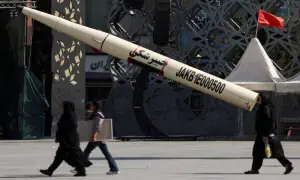
In response, Iran launched hundreds of missiles and drones at Israel, US forces, and energy infrastructure across the Gulf.
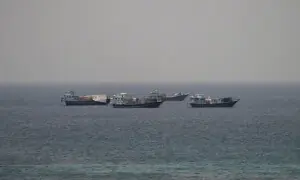
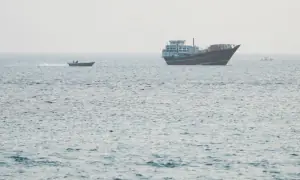
It also closed the Strait of Hormuz, a key route for global oil supply.
Six US soldiers were killed in Kuwait, and three fighter jets were accidentally shot down in friendly fire.
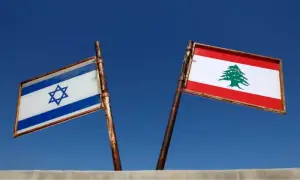
Hezbollah joined the fight, which prompted Israeli air strikes and a ground invasion in southern Lebanon.
Gulf states condemned Iran’s attacks, stressing their neutrality in the conflict.
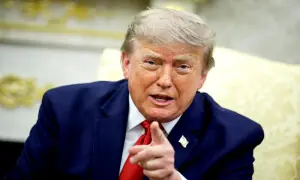
President Trump described the campaign as a mission to bring “freedom” to the Iranian people, though US officials later clarified that the aim was more limited: to weaken Iran’s military capabilities.
The Iranian government remained intact, with no major defections or protests.
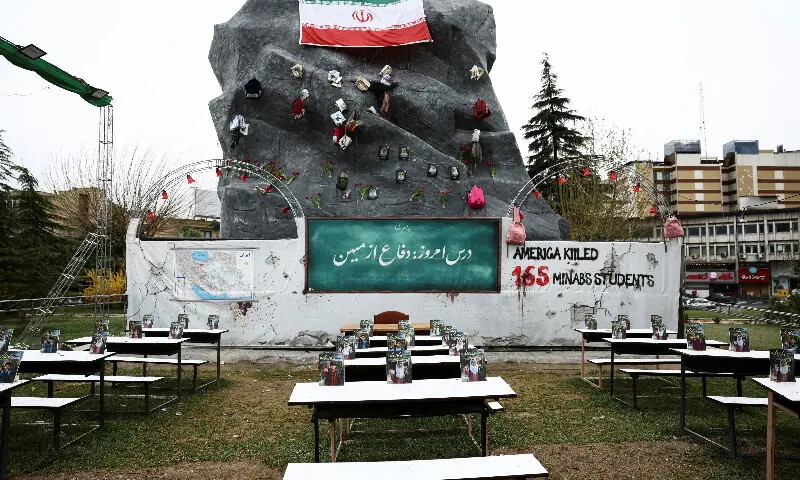
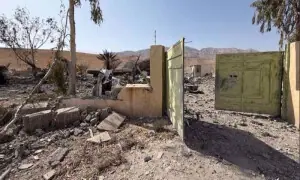
By week’s end, 1,332 people had died in Iran, including more than 170 children in a bombing at a girls’ school in Minab.
Hundreds were killed and displaced in Lebanon.
Oil prices jumped past $90 per barrel from $70 pre-war, and civil aviation across the region was curtailed.
Week 2: Iran pushes back
At least six crew members were killed when a US refuelling aircraft crashed in Iraq.
US-Israeli strikes targeted Tehran’s oil depots, producing black rain over the city.
Hezbollah and Iran launched coordinated rocket attacks on Israel, while Israel bombarded Beirut and the southern suburbs.
Control over the Strait of Hormuz was strengthened by Tehran.
Iran also attacked Saudi Arabia, killing two people.
Iran appointed Mojtaba Khamenei as the new supreme leader, defying US demands.
Hezbollah called for a “long confrontation” with Israel.
Nearly 10,000 civilian sites in Iran were damaged. Lebanon saw over 800,000 displaced people and more than 770 deaths.
Oil briefly exceeded $110 per barrel. Iran moved quickly after the death of its longtime leader, choosing Mojtaba Khamenei — the son of the late Supreme Leader — to take the country’s top job.
Tehran’s choice was seen as a direct challenge to the United States, which had publicly criticised the idea of his appointment and said it would not accept a successor hand‑picked in the midst of war.
At the same time, Lebanon’s Hezbollah signalled that it is prepared for a prolonged fight with Israel.
Week 3: Energy and Escalation
The third week of the war saw major escalations.
Israel carried out targeted assassinations, killing Iran’s security chief Ali Larijani and the head of the Basij paramilitary force, Gholamreza Soleimani.
Iran retaliated with missile attacks that penetrated Israeli defences, causing significant damage in the southern cities of Dimona and Arad.
In a dramatic escalation, Israel struck the South Pars gasfield, one of Iran’s key energy facilities.
Iran responded by targeting energy infrastructure across the region, including sites in Qatar and Israel.
The US deployed 10,000 interceptor drones to the Middle East to counter Iranian attacks, while Hezbollah ramped up its rocket fire, striking deeper into Israel than ever before.
President Trump tried to distance himself from Israel’s strike on the Iranian gasfield, signalling concerns about the conflict spiralling further out of control.
At the same time, Iran spelt out its terms for a ceasefire, calling for guarantees that attacks would stop and demanding reparations for the damage already done.
Qatar expelled Iranian military and security attachés.
Saudi Arabia condemned Iranian strikes as destroying remaining trust.
The Iranian Red Crescent reported at least 204 children killed, with Iran’s death toll surpassing 1,444.
Casualties in Lebanon crossed 1,000, and over one million people were displaced.
Iranian missile and drone attacks disabled 17% of Qatar’s LNG exports, causing $20 billion in lost revenue. US petrol prices neared $3.90 per gallon.
Week 4: Diplomacy and stalemate
The US claimed the first diplomatic contact with Iran.
Trump threatened to destroy Iranian power plants if the Strait of Hormuz remained closed, later extending the deadline.
Thousands of US troops were deployed to the region.
Israel carried out air strikes on Iranian steel factories and a nuclear reactor, while Hezbollah and Iranian forces attacked Israeli tanks and other key infrastructure.
Iran denied holding direct talks with Washington and rejected a 15-point US proposal.
Meanwhile, Qatar and the UAE urged diplomacy to resolve the conflict, even as Israel signalled plans to annex parts of southern Lebanon.
Yemen’s Houthis threatened to join the war if the conflict escalated further.
Iran’s death toll neared 2,000; 25 deaths occurred across the Gulf.
The human cost in Lebanon was staggering: at least 121 children lost their lives in Israeli attacks, and more than 1.2 million people were forced to flee their homes.
The conflict sent oil prices soaring past $112 per barrel, their highest level since 2022.
At the same time, uncertainty over the war rattled global markets, causing sharp declines on US stock exchanges.
For the latest news, follow us on Twitter @Aaj_Urdu. We are also on Facebook, Instagram and YouTube.


Comments are closed on this story.