


Govt raises high-octane fuel levy to Rs300 per litre
2 min read

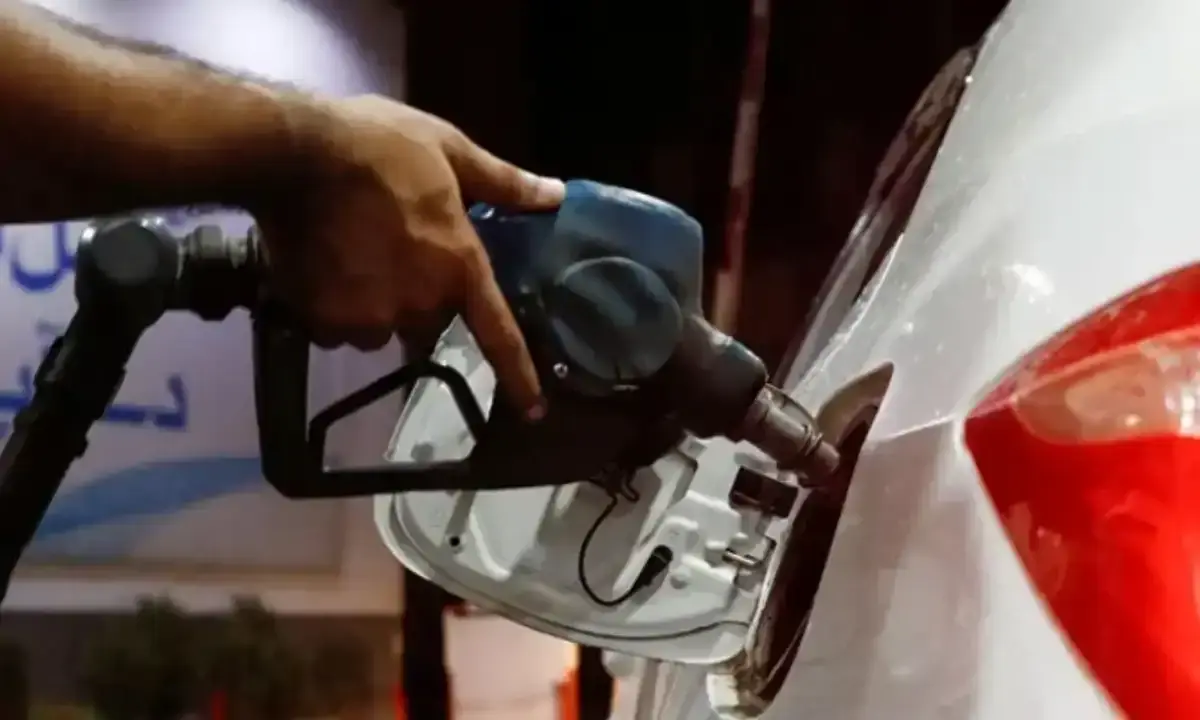
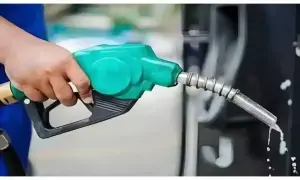
The government has raised the levy on high-octane fuel by Rs200 per litre, taking the total to Rs300, in a move aimed at shifting the burden to wealthier consumers while shielding the wider public.
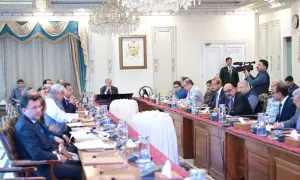
The decision was taken at a high-level meeting chaired by Prime Minister Shehbaz Sharif via video link to review fuel pricing and relief measures.
Officials said the higher levy applies only to high-octane fuel, typically used in luxury vehicles.
Prices of petrol, diesel and other fuels used by the general public remain unchanged.
Authorities said the move will not affect public transport fares or air travel costs.
The government expects to generate around Rs9 billion per month through the increase. The prime minister directed that the funds be used for targeted public relief.
According to a handout from the Prime Minister’s Office (PMO), the premier reviewed pricing decisions for high-octane fuel used in “luxury vehicles”.
“The prime minister took notice that the levy on high-octane fuel used in the most expensive vehicles should be increased,” the statement said.
Therefore, PM Shehbaz decided that the levy, which was Rs100 per litre, should be increased by Rs200 per litre.
“A levy of Rs300 per litre will now be applicable on high-octane fuel used in the most expensive vehicles,” the statement said.
“This decision will save the government Rs9 billion per month and as per the prime minister’s instructions, this will be used to provide the people with relief,” it said.
“This decision will reduce the burden on the economy; the richest class in the country will bear the burden,” it said.
“The prices of fuel used in ordinary vehicles used by the lower and middle classes have not been increased, only the price of high-octane fuel used in luxury vehicles has been increased,” the PMO said, adding that this would not cause an increase in the price of public transport or airfare.
Financial burden of Rs69 billion on petroleum products
Separately, Finance Minister Muhammad Aurangzeb said the government is ensuring uninterrupted supply of petroleum products, including petrol, diesel and LPG, while striving to minimise the burden on citizens.
He noted that the government has already absorbed a financial burden of Rs69 billion on petroleum products and is working on demand management and energy conservation measures.
He added that improving supply chain conditions are expected by April, while targeted relief efforts will focus on vulnerable segments.
Aurangzeb also warned that ongoing regional tensions could impact energy infrastructure, underlining the need for coordinated efforts to steer the country through the crisis.
For the latest news, follow us on Twitter @Aaj_Urdu. We are also on Facebook, Instagram and YouTube.



Comments are closed on this story.