


Sindh cabinet approves historic austerity plan amid economic, energy pressures
2 min read


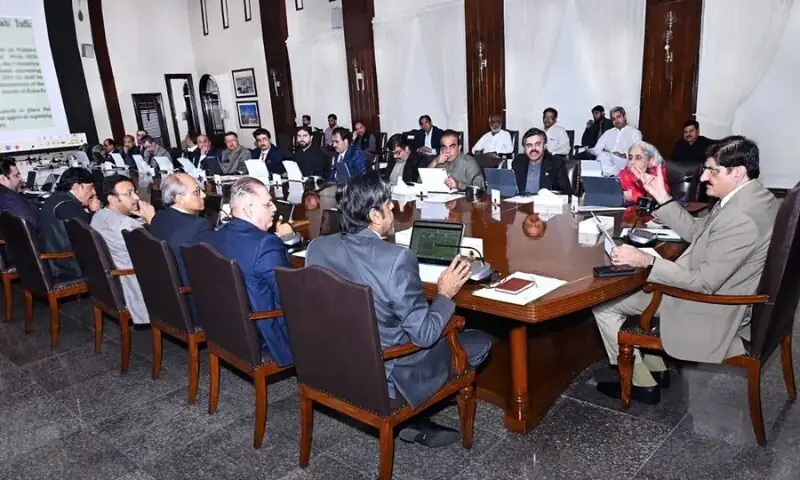
The Sindh government has approved what it called the largest austerity and petrol-saving plan in the province’s history to address growing economic pressure and an energy crisis.
The decisions were taken during a cabinet meeting chaired by Sindh Chief Minister Murad Ali Shah at the Chief Minister’s House.
The cabinet reviewed a 23-point agenda. Under the plan, the petrol quota for government vehicles has been reduced by 50 per cent with immediate effect, a move expected to save the provincial treasury more than 960 million rupees.
Sixty percent of government vehicles will also remain off the roads for the next two months. Ministers, advisers and special assistants announced they would not take salaries for three months.
A four-day workweek will be implemented in Sindh to save energy, while 50 per cent of government office staff will be allowed to work from home.
Changes have also been introduced in the education sector. Schools will remain closed from March 16 to 31, while colleges and universities will conduct classes fully online.
The government has also issued new instructions for the public. Speed limits on motorways and highways have been reduced, while the number of guests at wedding ceremonies has been capped at 200, and a one-dish rule has been made mandatory.
The cabinet also approved the issuance of a “Benazir Card” for female agricultural workers, set the price of wheat at 8,000 rupees per sack and approved a digital attendance system, “SAMRS”, for schools.
The chief minister said the measures were aimed at ensuring financial discipline and providing relief to the public.
For the latest news, follow us on Twitter @Aaj_Urdu. We are also on Facebook, Instagram and YouTube.













Comments are closed on this story.