


Chikungunya virus now poses risk across much of Europe, study warns
2 min read



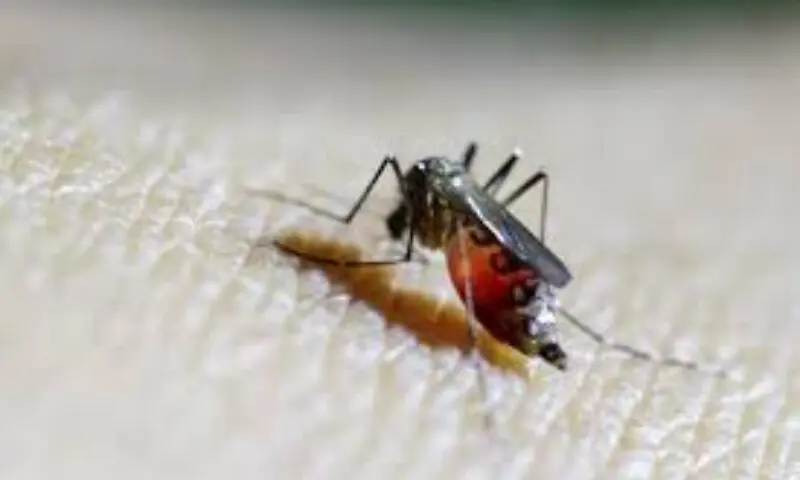
Chikungunya, a painful tropical disease, can now be transmitted by mosquitoes across much of Europe due to rising temperatures, according to a new study.
The research found that higher temperatures linked to climate change allow infections for over six months a year in Spain, Greece, Italy, and Portugal, and for two to five months in countries including France, Belgium, Germany, and Switzerland.
In south-east England, transmission is possible for about two months annually. Scientists warn the disease will continue spreading north as global heating progresses.
The study, led by Sandeep Tegar at the UK Centre for Ecology and Hydrology (UKCEH), examined the effect of temperature on the virus’s incubation in the Asian tiger mosquito, which has recently spread across Europe.
It revealed that the minimum temperature for infections is 13-14°C, lower than previous estimates of 16-18°C, indicating a higher risk of outbreaks across more regions for longer periods.
Chikungunya virus, first identified in Tanzania in 1952, causes severe and prolonged joint pain and can be fatal in young children and older adults.
Recent European outbreaks include hundreds of cases in France and Italy in 2025. Infected travellers returning from tropical regions often spark these outbreaks, with local tiger mosquitoes then spreading the disease.
Experts highlight that Europe’s warming climate allows tiger mosquitoes to remain active year-round, eliminating the previous “firebreak” that cold winters provided.
Dr Steven White from UKCEH said: “We’re likely to see much bigger outbreaks because you don’t have this natural firebreak anymore.”
Dr Diana Rojas Alvarez from the World Health Organization emphasized the severity of chikungunya, noting that up to 40% of patients can experience arthritis or severe pain for years.
She urged public measures like removing standing water, wearing protective clothing, using repellents, and implementing mosquito surveillance.
While there have been no local chikungunya transmissions in the UK, 73 cases were recorded among travellers in the first half of 2025, almost triple the number from 2024.
Experts warn that continued preventive action is vital to stop tiger mosquitoes from establishing locally, as the species can transmit chikungunya, dengue, and Zika viruses.
For the latest news, follow us on Twitter @Aaj_Urdu. We are also on Facebook, Instagram and YouTube.

















Comments are closed on this story.