


India’s Chabahar exit exposes fragility of ties with Iran
2 min read



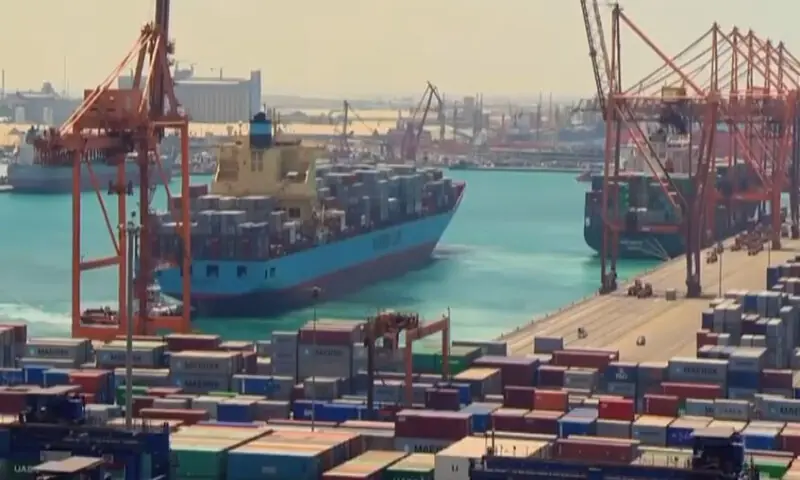
India’s reported withdrawal from Iran’s Chabahar Port project has cast fresh doubt on the durability of New Delhi’s relationship with Tehran, with critics saying the move exposes India’s readiness to abandon regional commitments under limited external pressure.
According to Indian media and economic reports, New Delhi stepped back from its Chabahar engagement following concerns over potential US sanctions, despite having earlier projected the project as a cornerstone of its long-term regional connectivity strategy.
Analysts say the decision underscores what they describe as India’s “dual-track” foreign policy, one that prioritises immediate interests over stated principles.
Indian outlets have reported that New Delhi had already paid around $120 million to Tehran prior to the enforcement of sanctions.
However, amid fears of punitive measures, all government-nominated directors on the board of India Ports Global Limited (IPGL), the company managing the Chabahar project, reportedly resigned en masse.
IPGL’s official website has also been taken offline, a move that reports say was intended to shield individuals and institutions from the possible fallout of US sanctions.
Economic and strategic experts argue that India’s investment narrative around Chabahar was largely cosmetic. They contend that IPGL was established primarily to secure control of the port, and that the project may have been used for objectives beyond commercial trade.
Some analysts have gone further, alleging that the port could have served as a base for activities linked to India’s intelligence agency, the Research and Analysis Wing (RAW). These concerns, they say, gained traction among Iranian authorities, particularly after heightened regional tensions following recent Iran-Israel hostilities, prompting Tehran to increase scrutiny of foreign-linked infrastructure.
Experts believe the growing risk of exposure, coupled with sanctions pressure, made continued involvement untenable for New Delhi.
Exiting Chabahar, they argue, was seen as a lesser cost than facing reputational damage if the company’s role and intent came under international spotlight.
By walking away from the project, India has effectively sidelined its own narrative of a “balanced” and “principles-based” foreign policy, analysts say, choosing expediency over long-term partnership with Iran.
The episode, they add, once again brings into question India’s claims of strategic autonomy and reliability as a regional partner.
For the latest news, follow us on Twitter @Aaj_Urdu. We are also on Facebook, Instagram and YouTube.











Comments are closed on this story.