Trump's Iran dilemma: Fewer options, higher stakes
4 min read



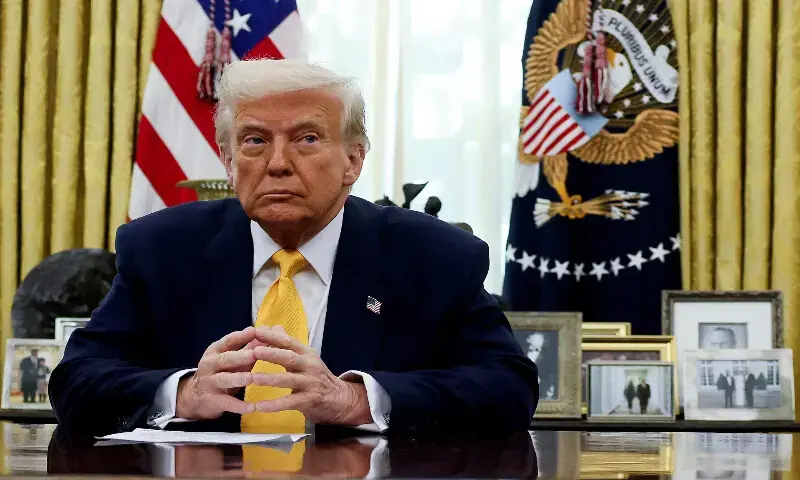
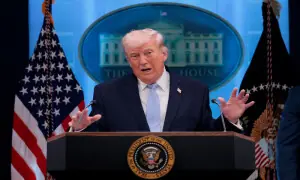
President Donald Trump is again weighing limited options in the conflict with Iran as his administration pauses air strikes to allow space for diplomacy while warning it is prepared to escalate military action if necessary.
The Trump administration said on Sunday that a pause in air strikes, now in its third night after 13 consecutive nights of attacks, was intended to create an opening for diplomacy.
At the same time, officials said the United States remained “locked and loaded” for possible further military action.
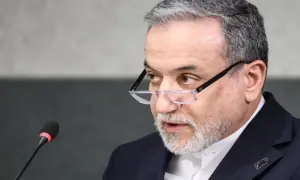
Iran said it had held talks with Oman at the deputy foreign minister level in recent days.
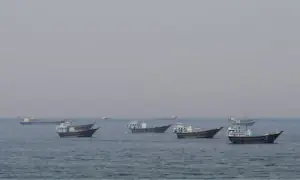
However, there has been no indication that Tehran is prepared to compromise on its demand to control shipping through the Strait of Hormuz, the issue that triggered the latest confrontation with Washington.
Nearly five months into the conflict, Trump has sought to pressure Iran into making concessions through military action, but the strategy has yet to produce a breakthrough.
A broader military campaign, including the deployment of US ground troops, could increase pressure on Tehran but would risk significant American casualties in a war that has become increasingly unpopular domestically.
The prolonged conflict is also adding to political and economic pressures.
A rise in oil prices last week raised concerns about higher gasoline costs for US consumers, although Brent crude fell more than 5% on Sunday.
Meanwhile, Yemen’s Iran-backed Houthi rebels have threatened an alternative shipping route through the Red Sea, while declining global crude inventories have heightened concerns about energy supplies ahead of November’s midterm elections.
Trump last week alternated between threatening increased military force and suggesting Iran was seeking negotiations.
The administration has also expanded the range of targets inside Iran during the latest wave of strikes.
One option under consideration would involve targeting additional Iranian transport infrastructure and power facilities to further weaken the country’s economy.
However, such action could increase civilian suffering and, according to some officials, may still fail to alter Tehran’s position.
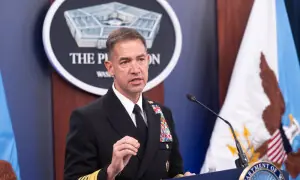
CNN reported that Vice President JD Vance and Chairman of the Joint Chiefs of Staff Dan Caine raised concerns during a White House meeting on Friday about further escalation.
According to CNN, Caine cited concerns over US munitions stockpiles, while recent assessments by the CIA and the Defence Intelligence Agency concluded that recent US bombing campaigns were unlikely to change Iran’s negotiating stance.
Another option would be to tighten the US economic blockade on Iranian shipping and ports to reduce government revenues and funding for the Islamic Revolutionary Guard Corps.
However, such measures could take weeks or months to have an effect and could prompt Iran to resume attacks on commercial shipping in the Strait of Hormuz, increasing pressure on the global economy.
A third possibility would involve reviving a previously collapsed memorandum of understanding that briefly established a ceasefire.
However, Iran is unlikely to agree without securing the authority to regulate and collect revenue from shipping through the strait, a condition that could draw domestic criticism of Trump for making concessions to Tehran.
Republican Senator Bill Cassidy said on CNN’s “State of the Union” on Sunday that Trump should begin a “national dialogue” involving Congress to consider alternative approaches.
“We need something different,” Cassidy said, adding that he hoped for a solution that would prevent Iran from controlling the strait without requiring the United States to spend “tens of billions of dollars” on a conflict that had not produced results.
The White House tasked US Ambassador to the United Nations Mike Waltz with explaining the administration’s strategy during Sunday television interviews.
Speaking on CBS’ Face the Nation, Waltz said, “The regime should believe the president when he says, ‘(We’re) locked and loaded,’ and where all options are on the table.”
On NBC’s Meet the Press, Waltz said Iran was “diplomatically isolated, economically isolated and militarily devastated,” adding that the United States was negotiating “from a position of strength.”
Despite US military advantages, Iran retains the ability to threaten shipping in the Strait of Hormuz using drones and missiles, allowing it to raise the global economic costs of the conflict.
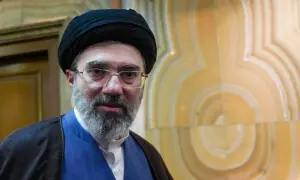
The survival of Iran’s leadership despite the death of Supreme Leader Ali Khamenei has also reinforced perceptions that Tehran remains resilient.
The conflict continues to weigh on the Trump administration politically.
A CBS News/YouGov poll found that only 31% of Americans said they clearly understood the situation in the Strait of Hormuz, while 40% believed the United States held the advantage in the conflict.
The poll also found that 76% of respondents believed the war had been more difficult than the administration had expected.
Waltz said the administration remained focused on preventing Iran from acquiring a nuclear weapon, acknowledging that achieving that objective had proven more difficult than initially anticipated.
For months, Trump has sought to pressure Iran without committing the United States to a large-scale ground war in the Middle East.
However, as the conflict continues, the administration faces increasingly limited options, with no clear path to either military victory or a negotiated settlement that meets US objectives.
For the latest news, follow us on Twitter @Aaj_Urdu. We are also on Facebook, Instagram and YouTube.